
Practical Ways to Plan Comfortable Dental Care
9 October 2026 | General Dentistry, Oral Health
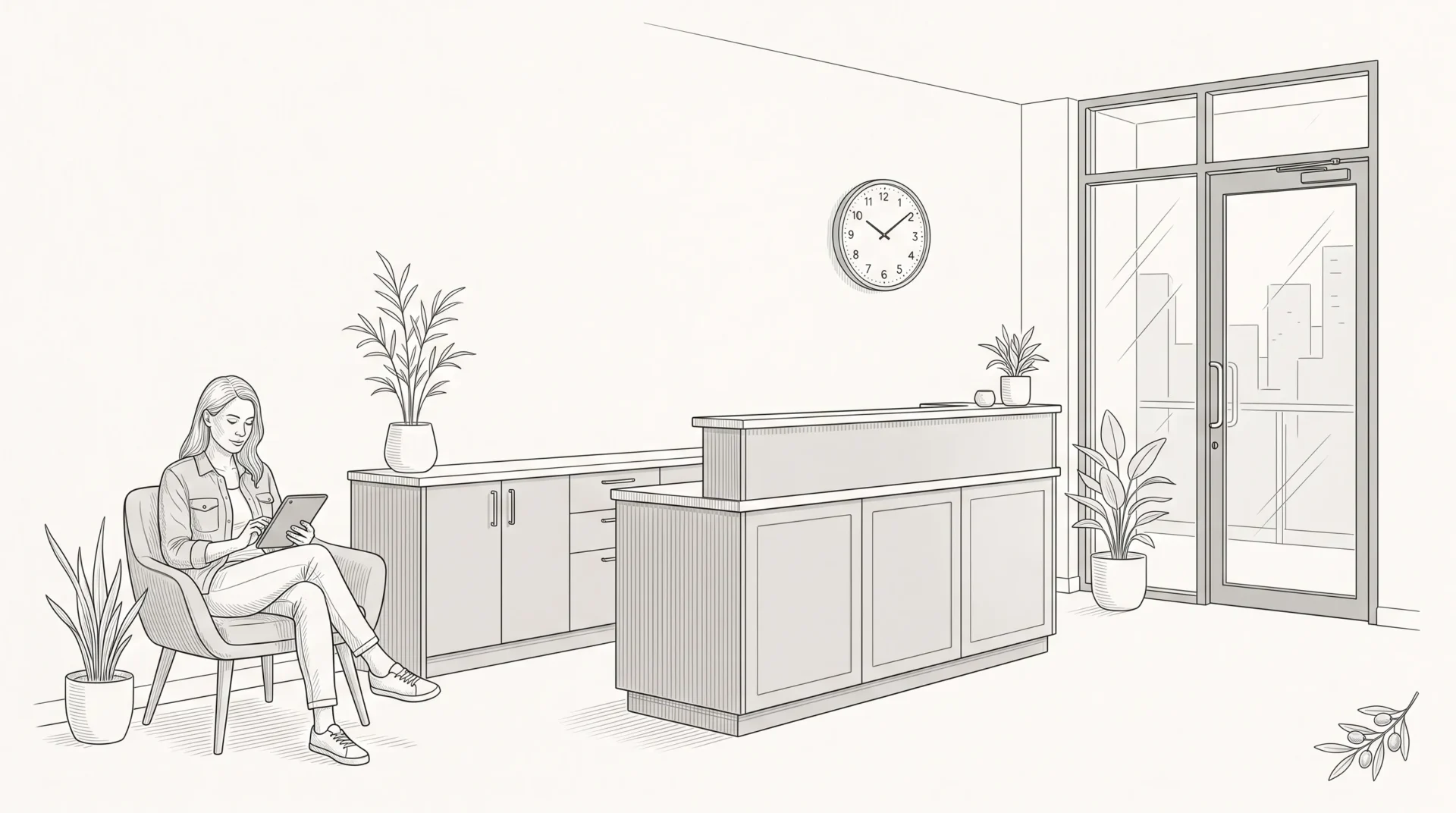
Planning comfortable dental care starts with telling the dental team what you need, then agreeing on an approach before treatment begins. That might mean discussing sensitivity, allowing time for explanations, arranging pauses or understanding costs in advance. Comfort does not mean every procedure will be free of discomfort. It means your concerns are taken seriously and your care is planned around your health, preferences and circumstances.
For patients visiting a dentist in Melbourne CBD, a useful plan also considers travel, work commitments and what you may need after the appointment.
Start with the concern, not a treatment choice
Before booking, identify what makes a dental visit difficult for you. Someone worried about an injection may need a different discussion from someone who finds reclining uncomfortable or feels uneasy when they cannot speak during treatment.
Try to be specific. Rather than only saying you are nervous, explain whether your concern involves pain, sounds, gagging, feeling rushed or an earlier dental experience. You do not need to share details you would prefer to keep private.
Victoria’s Better Health Channel guidance on dental anxiety and phobia describes several approaches to managing these concerns. The appropriate approach depends on the person and the care involved.
If you are unsure what treatment you need, describe your symptoms and concerns rather than requesting a particular procedure. An examination can help establish which options are appropriate.
How can you plan comfortable dental care?
A short written plan can make your preferences easier to explain. It does not need to be formal, and the dentist may need to adjust it after assessing your oral health.
Use these prompts to start the conversation:
| Area to discuss | What you could tell the team | What to clarify |
|---|---|---|
| Communication | “I prefer an explanation before you begin each part.” | How much detail you would find helpful |
| Sensitivity or pain | “This tooth reacts to cold,” or “I am worried about injections.” | What needs assessment and which pain-management options may suit you |
| Physical comfort | “My neck becomes sore when I recline.” | Whether positioning or breaks can be adjusted safely |
| Anxiety or sensory concerns | “The sound of instruments makes me tense.” | Which practical adjustments may be possible |
| Support needs | “I may need communication assistance or a support person.” | What arrangements are available and need advance notice |
Also share relevant medical conditions, medicines, allergies and previous reactions to dental treatment or anaesthetic. These details can affect treatment planning, not just comfort.
The approach to dental care for nervous patients involves more than technique. Communication and individual preferences are part of the discussion too.
Agree on consent, pauses and a manageable pace
A plan for comfortable dental care should leave room for questions before you consent to treatment. Your dentist should explain what is proposed, why it may be recommended, the expected benefits, relevant risks and available alternatives. You can also ask what may happen if you wait or choose not to proceed.
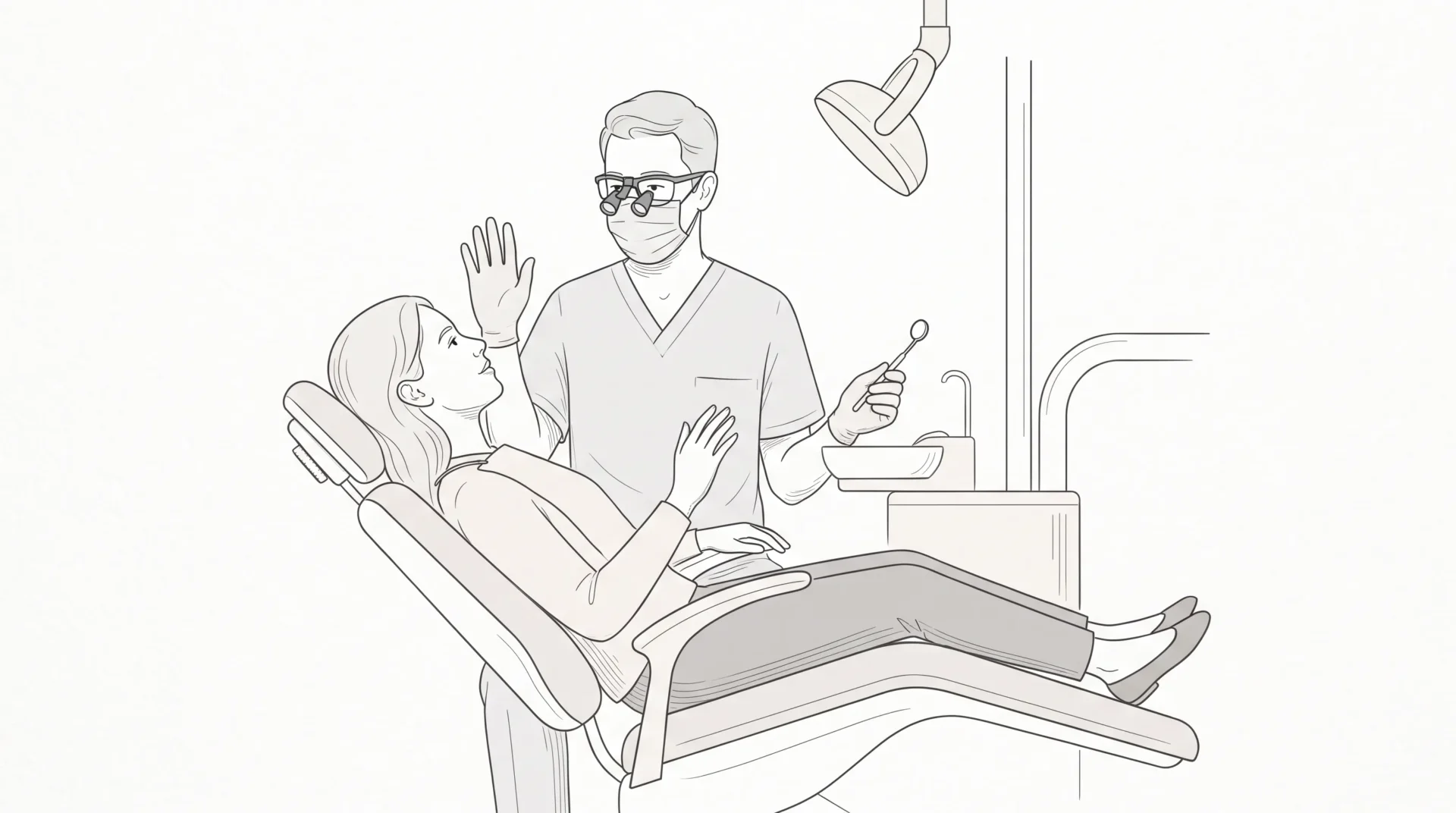
Agree on a clear signal, such as raising a hand, if you need attention during treatment. The dentist can explain how they will pause safely, since an instrument may need to be removed before you move or speak.
Discuss whether explanations during treatment would reassure you or feel distracting. Some people prefer a brief update before each stage; others would rather hear only essential information.
Shorter appointments or treatment over several visits may be considered when clinically appropriate. They are not automatically preferable, and some procedures need enough uninterrupted time to be completed safely. Your preferences and the clinical requirements both matter.
Discuss pain relief without assuming one option suits everyone
Local anaesthetic is medicine used to numb a particular area. It can reduce pain during dental treatment, although you may still notice pressure, movement or vibration. The injection itself can cause brief discomfort, and numbness may continue after the appointment.
When discussing comfortable dental care, ask which sensations are expected and how the dentist will check that the area is sufficiently numb before proceeding. Tell them if you feel sharp pain rather than assuming you need to tolerate it.
If anxiety remains a significant barrier, ask whether additional support or a sedation assessment may be appropriate. Sedation uses medicine to help a person feel calmer or less aware of treatment. It is not suitable for everyone, carries risks and does not necessarily replace local anaesthetic.
Availability varies between practices. Do not assume a clinic offers a particular sedation method. Depending on the option, you may need specific preparation, an escort and restrictions on driving or work afterwards. Do not fast, change prescribed medicines or take an extra calming medicine unless your treating clinician has given you instructions.
Allow time beyond the dental chair
When booking, ask whether the visit is mainly an assessment or whether treatment may also be possible. An examination may be needed before the dentist can estimate treatment time or advise on recovery.
For comfortable dental care, the appointment should fit your day without relying on a tight turnaround. Allow for travel through the CBD, check-in, discussion and possible delays. Tell the team if you have an immovable commitment rather than assuming treatment can be shortened.
If your job involves public speaking, physical work or driving, mention this when discussing treatment and aftercare. Numbness, discomfort or sedation-related restrictions may affect your plans, depending on the procedure.
These considerations are covered further in our guide to scheduling a dentist appointment around your workday.
Make costs and treatment priorities part of the plan
Uncertainty about fees can make it harder to consider treatment calmly. Ask for an estimate that explains the recommended care, likely number of visits and any factors that could change the cost. Some details may only become clear after assessment or as treatment progresses.
If several treatments are proposed, ask which address active disease or symptoms, which can reasonably wait and which are elective. Cosmetic treatment is a personal choice, not a requirement for a healthy mouth or social acceptance.
Where clinically appropriate, treatment may be staged. Delaying some care can carry risks, so discuss the consequences rather than making decisions on cost alone.
Metro Dental has payment plans available. Ask about eligibility, fees and repayment terms before agreeing to an arrangement. If you have private health insurance, check your cover and any limits with your insurer; a treatment estimate does not guarantee a particular rebate.
Leave with clear aftercare and a review plan
Planning comfortable dental care includes what happens once you leave the chair. Before treatment, ask whether you should expect numbness, tenderness, changes to eating or time away from usual activities. Experiences and recovery vary between patients and procedures.
Before leaving, make sure you understand:
- Which symptoms may be expected and how long they may last.
- How to eat, clean your teeth and manage discomfort as advised.
- Which changes should prompt a call to the clinic.
- Whether a review is needed and how to arrange it.
Ask for written instructions if they would help you remember the advice. Any medicines should be used according to your clinician’s directions, taking your health conditions and other medicines into account.
At a later visit, explain what worked and what did not. Your preferences may change, and a useful plan can be adjusted rather than repeated unchanged.
When planning should not delay dental assessment
You can ask for support with anxiety while also arranging timely assessment of symptoms. Persistent or worsening toothache, facial swelling and a painful broken tooth warrant prompt dental advice.
The Healthdirect information on tooth abscesses explains why dental infections need professional treatment. If swelling affects your breathing or swallowing, call 000 for emergency assistance.
You do not need to arrive with a completed comfort plan. Tell the clinic about both your symptoms and your concerns so they can advise on the next step. Planning is intended to make appropriate care more manageable, not to postpone assessment when it is needed.
Frequently asked questions
Can the first visit focus on an examination and discussion? You can request this when booking. For comfortable dental care, clarify what you hope to cover before you arrive. The dentist can assess your needs and explain whether anything requires prompt attention, but treatment should not proceed without your informed consent.
Should I mention anxiety when I book? Yes. Advance notice gives the team an opportunity to discuss your concerns and clarify what arrangements may be possible. Be specific about what you find difficult and what has helped previously.
Can I bring a support person? Ask the clinic beforehand. Whether someone can accompany you into the treatment area may depend on the procedure, space, privacy and safety requirements.
What should I bring to help with planning? Bring relevant health information, a current medicine list and any questions or comfort preferences you have written down. Our guide to preparing for your dental appointment covers the practical details.
Discuss your preferences with Metro Dental
If you would like to discuss comfortable dental care, you can contact Metro Dental on Swanston Street in Melbourne CBD. Explain your concerns when arranging an appointment. An assessment can help identify appropriate options, with time to discuss their benefits, risks, costs and alternatives before deciding how to proceed.
Disclaimer
The information provided on this website is for general informational and educational purposes only. It is not intended to replace professional dental advice, diagnosis or treatment. Dental needs and treatment outcomes vary between individuals. Always seek advice from a qualified dental practitioner regarding your specific circumstances before making decisions about your oral health or treatment. A consultation and clinical assessment are required to determine which treatment options may be suitable for you. All dental procedures carry potential risks and benefits, which will be discussed with you before treatment.