
Which Dental Clinic Services Might You Need?
15 October 2026 | Cosmetic Dentistry, General Dentistry, Oral Health
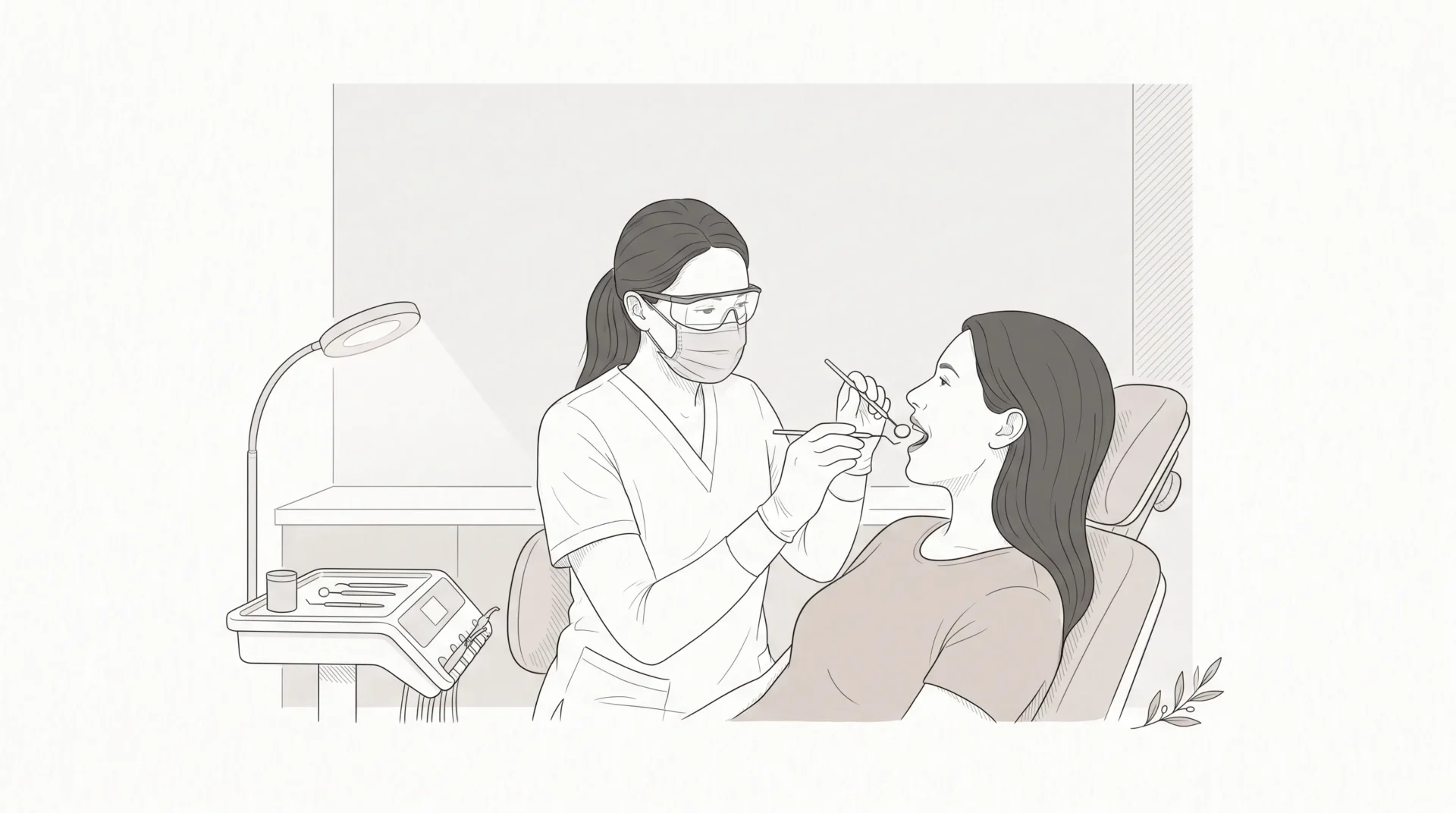
The dental services you might need depend on your symptoms, current oral health and what you would like to discuss or change. A check-up may be the starting point if you have no specific concern. Pain, swelling or a broken tooth calls for a more focused assessment, while cosmetic or orthodontic treatment usually begins with a conversation about suitability.
You do not need to choose a procedure before booking. Explaining your concern gives the dentist a starting point, without committing you to treatment.
Choosing dental services based on your concern
Start with what you have noticed, rather than the treatment you think you need. A sensitive tooth, for example, does not automatically need a filling. Sensitivity can have several causes, so an examination helps determine which options are appropriate.
This guide can help you describe your reason for booking. It is not a diagnosis or a treatment recommendation.
| Your main concern | What an assessment may focus on | Useful information to share |
|---|---|---|
| No symptoms, but you are due for a review | Teeth, gums, existing dental work and preventive needs | When you last attended and whether your health has changed |
| Pain, sensitivity or a damaged tooth | Finding the cause and assessing the tooth | When it started, what triggers it and whether there is swelling |
| Bleeding gums or persistent bad breath | Gum health, cleaning habits and possible contributing factors | How often it happens and any medicines you take |
| Tooth colour, shape or alignment | Oral health, your goals and suitable options | What concerns you and what changes you would prefer |
| A child's dental needs | Development, tooth health and prevention | Their age, symptoms and previous dental experiences |
The most appropriate dental services may be different from those you initially expected. Ask the dentist to explain what they have found before discussing procedures.
Pain, swelling or damage: seek an assessment first
Persistent toothache, pain when biting, a broken tooth or a lost filling should be assessed rather than managed indefinitely at home. When contacting the clinic, describe the symptoms so the team can advise about appointment timing.
Tell them whether the pain interrupts sleep, whether the tooth was injured and whether you have swelling or a fever. These details help with assessing urgency, although they cannot replace an examination.
Facial swelling, fever with dental pain or a knocked-out adult tooth requires urgent professional advice. If swelling affects breathing or swallowing, call triple zero (000) or attend an emergency department. Healthdirect's guidance on toothache explains symptoms that need prompt attention.
An urgent appointment does not necessarily mean an extraction or root canal treatment. The dentist first assesses the cause, then discusses appropriate options and whether further appointments are needed. Pain relief alone does not address every underlying dental problem.
When comparing dental services for a painful tooth, the priority is understanding the cause, not selecting a procedure in advance.
No symptoms: consider prevention and your individual risk
A dental examination can be useful even when your teeth feel comfortable. Some tooth and gum problems do not cause noticeable symptoms in their early stages.
Preventive care may include an examination, professional cleaning where needed and advice about brushing, cleaning between teeth or fluoride. Fluoride helps protect teeth against decay. The recommendations should reflect your oral health rather than a standard package of treatments.
Your dentist may ask about previous decay, gum disease, smoking, dry mouth and medicines. These factors can influence your care plan and review interval. X-rays should only be recommended when they are clinically justified, not automatically at every visit.
There is no single appointment schedule that suits everyone. Our guide to when to see a dentist for a check-up explains how routine reviews differ from appointments for new symptoms.
For someone without symptoms, dental services should focus on assessing health and managing relevant risks, rather than adding procedures without a clear reason.
A tooth needs repair: ask what can be preserved
If an examination identifies decay or damage, ask how much healthy tooth remains and which options could preserve it. The size and location of the problem, the tooth's position and your bite can affect the recommendation.
A filling may be considered for a cavity or limited damage. A crown, a covering fitted over a prepared tooth, may be considered when a tooth needs more extensive support. Crowns involve shaping the tooth, and both fillings and crowns can require repair or replacement over time.
Root canal treatment addresses inflamed or infected tissue inside a tooth. It may allow a tooth to be retained, but further restoration can be needed and success is not guaranteed. Extraction may be considered if a tooth cannot reasonably be restored or retained.
Possible risks vary by procedure and may include sensitivity, discomfort, restoration failure or further treatment. Your dentist should explain relevant alternatives, including the implications of delaying or declining care.
You may need a combination of dental services to manage one tooth, so ask whether the proposed fee and appointments cover the complete treatment plan.
Appearance or alignment: separate your goals from health needs
Changes in tooth colour, shape and alignment are not automatically health problems. Cosmetic treatment is optional, and choosing not to change the appearance of healthy teeth is a valid preference.
Before discussing an appearance-related procedure, the dentist should assess tooth and gum health. Active decay or gum disease may need attention first.
Teeth whitening can be considered for some types of discolouration. It does not change the colour of existing fillings, crowns or veneers, and it can cause temporary sensitivity or gum irritation. The degree of colour change varies.
Veneers are thin coverings attached to the front of teeth. Depending on the material and technique, they may require removal of tooth structure. They can chip or need replacement, so ask about maintenance and less invasive alternatives.
Orthodontic treatment moves teeth to address alignment or bite concerns. Invisalign is one option offered at Metro Dental, but suitability requires assessment. Clear aligners need consistent wear and careful cleaning; tooth movement can involve discomfort and usually requires ongoing retention afterwards.
Our explanation of general, cosmetic and orthodontic dental services can help you distinguish these categories. When exploring dental services for appearance, ask what is optional, what is reversible and what long-term care may involve.

Booking for a child: focus on their needs, not adult treatments
Children's appointments may involve checking teeth and gums, discussing brushing and food habits, and monitoring how teeth are developing. Treatment is recommended according to the findings, not simply because a child has reached a particular age.
Let the clinic know if your child has pain, an injury, a medical condition or concerns about dental visits. A familiar explanation of what to expect can make the appointment easier to prepare for, without promising a particular experience.
Metro Dental offers children's dentistry and bulk-billed kids dental for eligible children. Confirm eligibility and which services are covered before the appointment. The Australian Government's Child Dental Benefits Schedule sets out eligibility and covered services.
Not every child qualifies, and not every dental procedure is covered. Ask whether there could be any out-of-pocket costs before agreeing to care.
What the first appointment can help you decide
Bring a list of your medicines, relevant medical history and any questions you want answered. If you feel anxious about dental care, you can mention that when booking and discuss it again with the dentist.
At the appointment, the dentist will usually ask about your concerns and examine the relevant areas of your mouth. Additional tests or X-rays may be recommended if needed. You can ask what each test would help establish.
Assessment helps separate necessary care from optional dental services and identify which concerns should be addressed first. It also gives you an opportunity to discuss your preferences and practical circumstances.
Before agreeing to a treatment plan, useful questions include:
- What have you found, and how does it relate to my symptoms or concerns?
- What are the benefits, risks and alternatives, including no treatment where appropriate?
- Which parts need attention sooner, and which can reasonably wait?
- How many appointments might be needed, and what ongoing care should I expect?
Treatment may not take place at the first visit. You should have enough information to make an informed decision, with time to consider non-urgent options.
Costs and timing: ask for the full plan
A treatment's initial fee is only one part of the decision. Consider the number of appointments, likely maintenance and whether further stages are required.
Ask for a written treatment plan or estimate that explains the proposed procedures and fees. If several options are clinically appropriate, the dentist can explain how their costs, limitations and expected maintenance differ.
Our guide to what affects dental treatment costs in Melbourne covers factors such as treatment complexity, materials and laboratory work. Private health insurance benefits depend on your policy, so confirm rebates with your insurer rather than assuming the whole fee is covered.
Metro Dental has payment plans available. Ask about eligibility, fees and repayment terms before deciding whether an arrangement suits your circumstances.
If your budget is limited, say so. Appropriate dental services may be planned in stages when clinically reasonable, with the dentist explaining the implications of any delay. Financing should not determine whether a procedure is clinically suitable.
Frequently asked questions
Do I need to know which treatment I want before booking? No. Describe your symptoms or goals when making the appointment. An assessment can help determine whether treatment is needed and which options may be appropriate.
Can I book just to discuss cosmetic treatment? Yes, you can request a consultation about appearance-related concerns. Your dentist will still need to assess oral health and explain suitability, risks and alternatives before recommending a procedure.
Will I need treatment at every check-up? Not necessarily. An examination may lead to preventive advice or monitoring rather than a procedure. Recommendations should be based on clinical findings and your individual needs.
How do I know whether a recommendation is right for me? Ask why the proposed dental services are recommended, what alternatives exist and what could happen without treatment. You can also seek a second opinion if you would like further advice.
Discuss your concerns with Metro Dental
If you are unsure where to start, describe what you have noticed and what matters to you. A dental assessment can help clarify your options without requiring you to choose treatment beforehand.
Located on Swanston Street in Melbourne CBD, Metro Dental offers online appointment booking. You can arrange an assessment to discuss your oral health, treatment preferences and any questions about care.
Disclaimer
The information provided on this website is for general informational and educational purposes only. It is not intended to replace professional dental advice, diagnosis or treatment. Dental needs and treatment outcomes vary between individuals. Always seek advice from a qualified dental practitioner regarding your specific circumstances before making decisions about your oral health or treatment. A consultation and clinical assessment are required to determine which treatment options may be suitable for you. All dental procedures carry potential risks and benefits, which will be discussed with you before treatment.