
When to See a Dentist for a Check-Up
9 October 2026 | General Dentistry, Oral Health, Preventative Dentistry
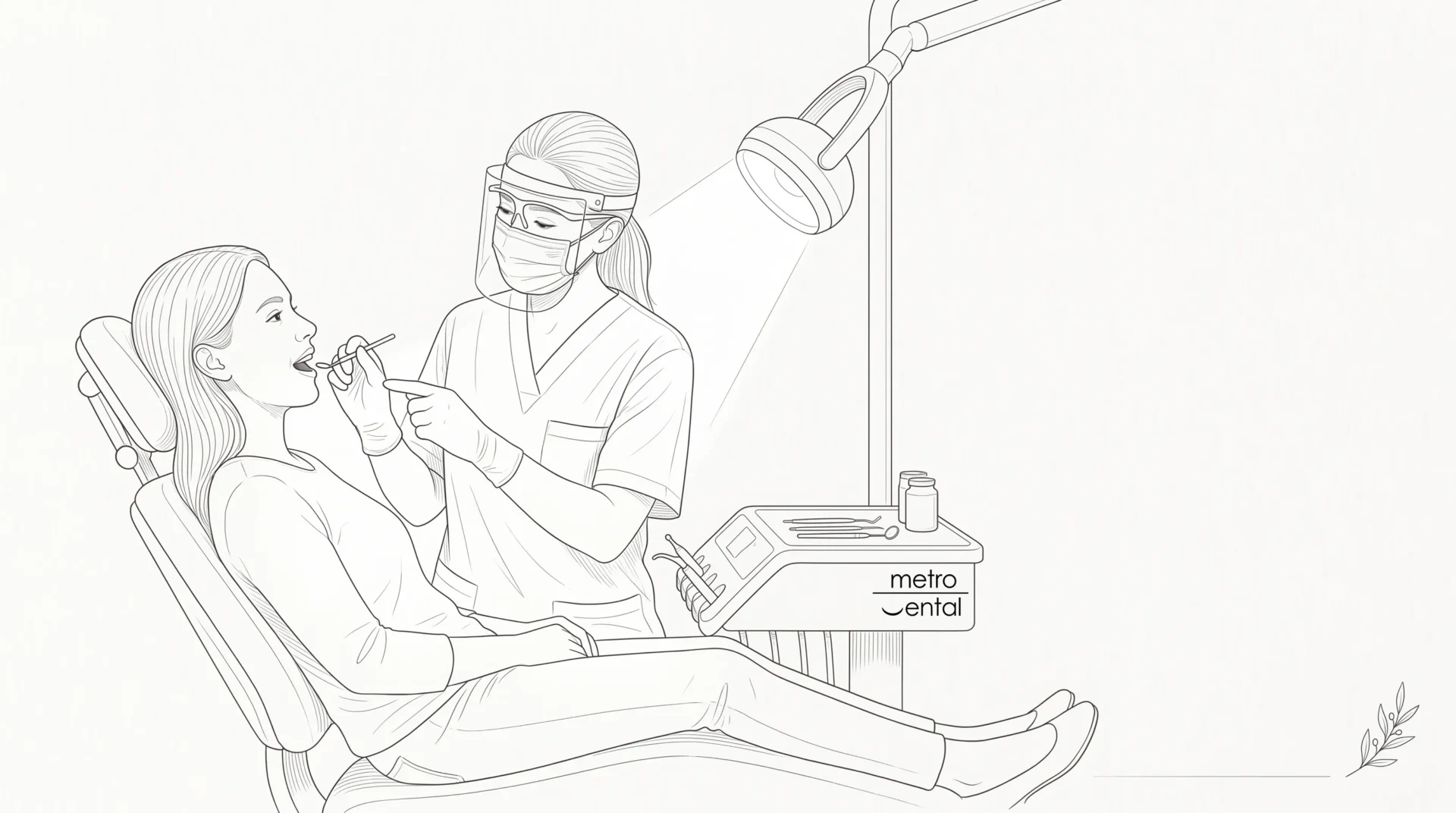
See a dentist for a check-up at the interval recommended for your oral health, and arrange an earlier assessment if you notice new symptoms or changes. You do not need to wait for toothache. Some problems, including early tooth decay and gum disease, may develop without obvious discomfort.
If you cannot remember when your next review is due, contact your dental clinic to check your records. The useful distinction is between a planned preventive visit, an earlier appointment for a concern and a problem that needs urgent attention.
Routine review: follow a plan that suits your oral health
A routine check-up gives your dentist an opportunity to assess your teeth, gums and other tissues in your mouth. It also allows you to discuss changes in your health, medicines or daily care that could affect your mouth.
There is no single check-up interval that suits everyone. Your dentist may recommend a review schedule based on previous decay, gum health, saliva flow and other individual factors. A six-monthly appointment may suit some people, but it should not be treated as a rule for every patient.
If your last appointment ended with a recommended review date, use that as your starting point. Metro Dental’s guide to how often to visit a dentist in Melbourne explains why these intervals can differ.
A reminder is useful, but it is not a reason to ignore a change that appears before your next scheduled visit.
When to see a dentist earlier than planned
An earlier review may be appropriate when something about your mouth or general health has changed, even if you are not in significant pain.
For example, mention gums that repeatedly bleed when brushing, new sensitivity, food regularly catching around a tooth or a filling that feels rough or loose. These signs can have several causes, so an examination is needed rather than assuming they mean a particular condition.
Changes outside your mouth can also matter. A new medicine may contribute to dry mouth, and health conditions such as diabetes can affect gum health. Tell your dentist about relevant diagnoses and medication changes rather than stopping a prescribed medicine yourself.
A sore, lump or unusual patch in your mouth that persists for more than two weeks should also be assessed. Most mouth changes are not an emergency, but a persistent change deserves attention.
You can describe the concern when booking so the clinic can advise on the type and timing of appointment. An appointment for a symptom may need a different focus from a routine check-up.
Symptoms: routine check-up or urgent appointment?
Tell your dentist when your symptoms began, whether they are getting worse and what triggers them. This helps guide the assessment, although symptoms alone cannot establish a diagnosis.
The following is a general guide, not a substitute for advice about your situation.
| Situation | Appropriate next step |
|---|---|
| No new symptoms and your planned review is approaching | Arrange your routine check-up according to your dentist’s advice. |
| Repeated gum bleeding, new sensitivity or food catching around a tooth | Contact the clinic for advice about an earlier appointment. |
| Persistent toothache, a damaged tooth or a loose filling | Request a dental assessment and describe any pain or difficulty eating. |
| Severe pain, increasing swelling or swelling with fever | Seek urgent dental or medical advice rather than waiting for a routine check-up. |
| Trouble breathing or swallowing, or swelling spreading towards the eye or neck | Seek emergency medical care. Call 000 if breathing is affected or you need an ambulance. |
Swelling associated with a dental problem needs assessment. Do not rely on pain relief alone or assume the issue has resolved because discomfort temporarily settles. Healthdirect’s toothache guidance explains symptoms and when to seek care.
If you are unsure how urgent a concern is, describe it to the clinic when you call. Include any fever, swelling, injury or difficulty opening your mouth.
What if you feel well but are overdue?
A dentist can review your current oral health even if it has been several years since your last appointment. A long gap does not automatically mean you need extensive treatment, and feeling well does not confirm that everything is healthy.
Start by booking an assessment rather than trying to predict what treatment you might need. Let the clinic know approximately when you last attended and whether you have any concerns about discomfort, cost or previous dental experiences.
If anxiety has delayed your visit, you can ask how the examination will be explained and agree on a way to pause. If cost is the main concern, ask about examination fees and whether any proposed X-rays or cleaning would involve additional charges.
A check-up should provide information for your decisions. You can ask your dentist to explain which findings need attention, which can be monitored and what the alternatives involve.
What a check-up can and cannot tell you
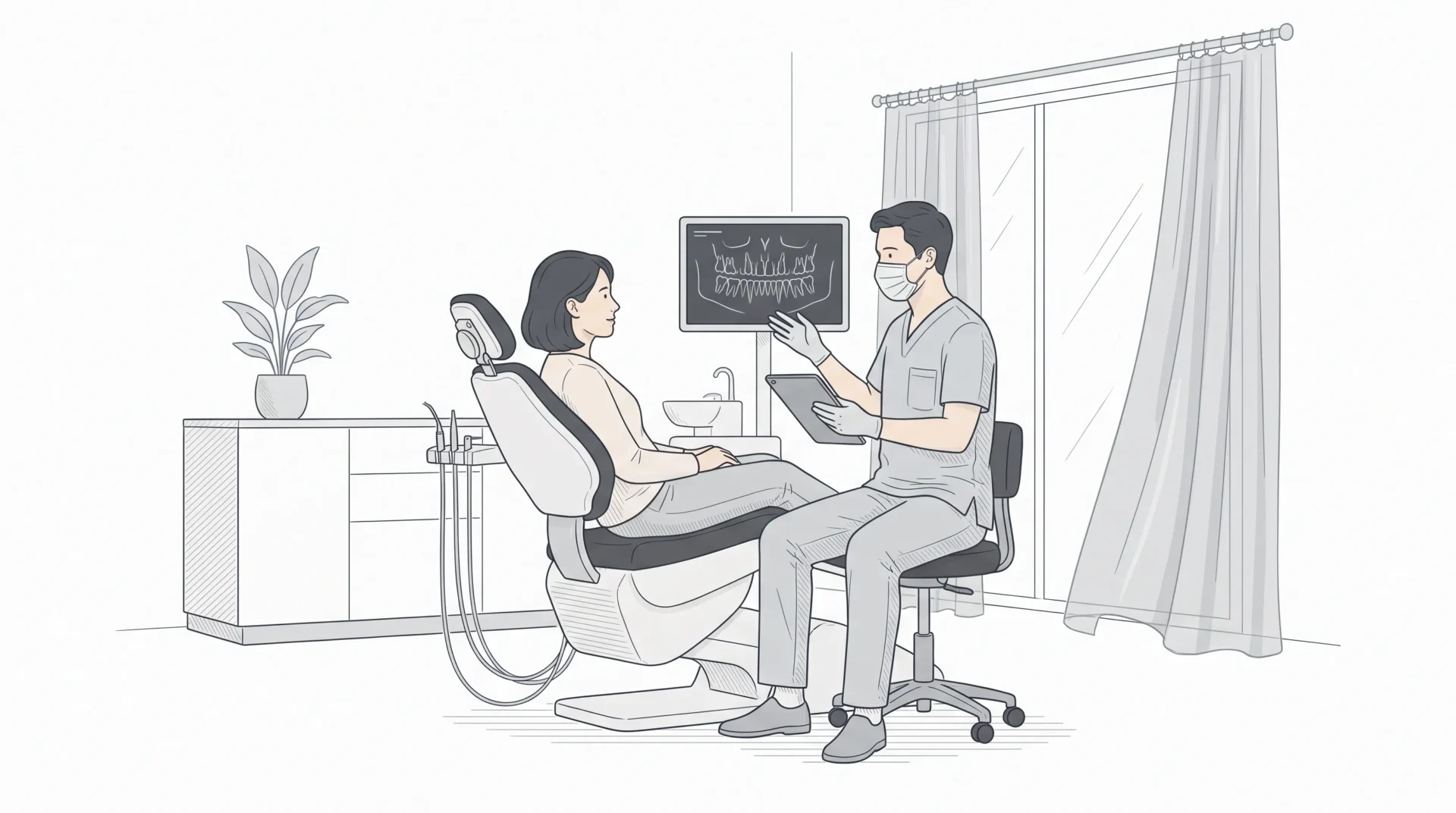
An examination can help identify current concerns and guide a prevention or treatment plan. It cannot guarantee that you will not develop a dental problem before your next review.
Your dentist will generally discuss your health history, examine your teeth and gums and check the soft tissues in your mouth. X-rays may be recommended when they are clinically justified, but they are not automatically needed at every visit. Ask what a proposed image is intended to assess.
Cleaning may be recommended depending on your findings, but confirm what is included in the appointment when booking. Metro Dental’s explanation of what Australian patients can expect from a dental check-up covers the visit in more detail.
If treatment is suggested, its suitability depends on the findings, your medical history and your circumstances. Procedures have potential benefits and risks, and outcomes and experiences vary between patients.
Questions worth asking before you leave
Ask your dentist to explain the next steps in everyday language. Useful questions include:
- What did you find, and does it need treatment or monitoring?
- What are the benefits, risks and alternatives to the recommended option?
- What will the proposed care cost, and can it be prioritised if needed?
- When should I return, and which changes should prompt an earlier visit?
You do not need to remember everything during the appointment. Bringing a short list of concerns can make the conversation easier. Metro Dental’s advice on preparing for your dental appointment can help you organise relevant information.
Frequently asked questions
Do I need a check-up if nothing hurts? A review may still be appropriate because some dental problems do not cause noticeable symptoms early on. Follow the interval recommended for your circumstances rather than using pain as your only guide.
Does everyone need to attend every six months? No. Your review interval should reflect your oral health and risk factors. Ask your dentist what schedule they recommend and why, especially if your health or medication has changed.
Should I wait for my check-up if my gums are bleeding? Repeated bleeding deserves an assessment, even if it is not painful. Contact the clinic for advice about timing and continue gentle brushing with a soft toothbrush unless your treating clinician advises otherwise.
Will a check-up commit me to further treatment? Seeing a dentist for an assessment does not mean you must proceed with every proposed treatment. Ask for an explanation of the findings, options and costs so you can make an informed decision.
Can a routine check-up include a cosmetic discussion? You can raise questions about appearance during the visit. A clinical assessment is needed before discussing suitability, and cosmetic treatment is optional rather than a requirement for a healthy mouth.
Planning a check-up in Melbourne CBD
Metro Dental is located on Swanston Street in Melbourne CBD and offers general dental care and online appointment booking. If your review is due, or you are unsure whether a concern needs an earlier assessment, contact the team to discuss an appropriate appointment.
When booking, mention any symptoms rather than simply requesting a routine check-up. This helps the clinic understand your reason for attending. The information above is general guidance; an examination is needed for advice specific to your oral health.
Disclaimer
The information provided on this website is for general informational and educational purposes only. It is not intended to replace professional dental advice, diagnosis or treatment. Dental needs and treatment outcomes vary between individuals. Always seek advice from a qualified dental practitioner regarding your specific circumstances before making decisions about your oral health or treatment. A consultation and clinical assessment are required to determine which treatment options may be suitable for you. All dental procedures carry potential risks and benefits, which will be discussed with you before treatment.