
Understanding The Gentle Dental Approach for Nervous Patients
28 September 2026 | General Dentistry, Melbourne Dentist, Preventative Dentistry

If dental nerves have made you delay a check-up, you are not alone. The gentle dental approach is about making dental care feel more understandable, respectful and manageable, especially for people who feel anxious, embarrassed, sensitive or unsure about treatment. It does not mean every appointment feels the same for every person, and it does not remove all discomfort or risk. It means your dentist takes time to listen, explain what is happening, check consent and adjust care where clinically appropriate.
For many nervous patients, the hardest part is not the treatment itself. It may be the anticipation, the sounds, a previous difficult experience, concerns about cost or a fear of being judged. A calm dental visit starts before anyone picks up an instrument. It starts with a conversation about what worries you and what would help you feel more in control.
What the gentle dental approach means for nervous patients
A gentle approach to dentistry is not a single technique. It is a way of providing care that places communication, consent and comfort at the centre of the appointment. That may include explaining each step before it happens, giving you time to ask questions, agreeing on a stop signal and discussing options rather than rushing straight into treatment.
In a practical sense, the gentle dental approach can help nervous patients understand what is recommended, why it may be recommended and what alternatives may exist. You still need a dental examination before any personal advice can be given, because suitability depends on your oral health, medical history, symptoms, anatomy and treatment goals.
Metro Dental has also covered this broader topic in more detail in its guide to what gentle dental care involves, including how communication and informed consent can shape a calmer appointment.
Why dental anxiety deserves a practical plan
Dental anxiety can show up in different ways. Some people feel uneasy but can still attend appointments. Others avoid dental care for months or years, even when they have symptoms. Healthdirect explains that dental anxiety and phobia can make dental visits difficult and may be linked to previous experiences, fear of pain, loss of control or embarrassment.
Avoidance is understandable, but it can make small issues harder to assess early. A practical plan does not need to be complicated. It may involve booking a shorter first visit, telling the clinic you feel nervous, writing down your concerns and asking the dentist to focus first on assessment and discussion rather than treatment, unless urgent care is needed.
For someone who has delayed care, the gentle dental approach should feel non-judgemental. The appointment is not about criticism. It is about understanding what is happening now and discussing what, if anything, may be appropriate next.
Before your appointment: setting expectations early
One of the most useful things you can do is tell the dental team that you feel anxious when you book. You do not need to explain everything in detail if you are not comfortable doing so. Even a simple note such as “I am nervous about dental treatment” gives the team a chance to allow time for communication.
You may also find it helpful to prepare a few details before your visit:
- What you are most worried about, such as needles, drilling sounds, gagging, cost or being reclined
- Any symptoms, including pain, swelling, bleeding gums, sensitivity or a broken tooth
- Your medical history, medications and allergies
- Questions you want answered before treatment is discussed
- Whether you would prefer explanations as the appointment goes or only at key points
If preparation helps you feel steadier, Metro Dental’s article on how to prepare for your dental appointment explains what information can be useful to bring and how to communicate dental anxiety clearly.
For many patients, the gentle dental approach begins with this early communication. It helps your dentist understand your limits and plan the appointment at a pace that is clinically appropriate.
What may happen during a gentle dental visit
A first appointment for a nervous patient often focuses on listening, examining and explaining. Your dentist may ask about your dental history, current concerns, general health and what has made past visits difficult. If an examination is needed, they should explain what they are checking and why.
A dental check-up may include an assessment of your teeth, gums, jaw, bite and soft tissues. X-rays may be discussed if they are clinically indicated, for example to assess areas that cannot be seen directly. You can read more about the general appointment process in Metro Dental’s guide to what Australian patients can expect from a dental check-up.
During treatment, the gentle dental approach may include a stop signal, short breaks, local anaesthetic when suitable and regular check-ins. These measures do not guarantee that treatment will be free from discomfort, but they can support clearer communication and a greater sense of control.
Comfort measures your dentist may discuss
Different patients need different support. Some people mostly need information. Others benefit from shorter appointments, staged treatment or extra time to settle before care begins. The right option depends on your health, the dental procedure, the urgency of symptoms and the clinical judgement of your dentist.
| Comfort measure | How it may help | Important limitations |
|---|---|---|
| Stop signal | Lets you pause the appointment if you need a break | It should be agreed before treatment starts |
| Step-by-step explanations | Helps reduce uncertainty about what is happening | Some patients prefer fewer details, so tell your dentist what suits you |
| Shorter appointments | May feel more manageable for anxious patients | Complex care may still require longer or multiple visits |
| Local anaesthetic | Can reduce sensation during certain procedures | Suitability depends on the procedure, medical history and individual response |
| Staged treatment planning | Allows urgent issues and longer term options to be discussed separately | Not every condition can safely be delayed |
| Referral or sedation discussion | May be relevant for some highly anxious patients or complex procedures | Availability, risks and suitability must be assessed before any decision |
All dental procedures carry potential benefits, limitations and risks. Your dentist should explain these in plain language before treatment so you can make an informed decision.
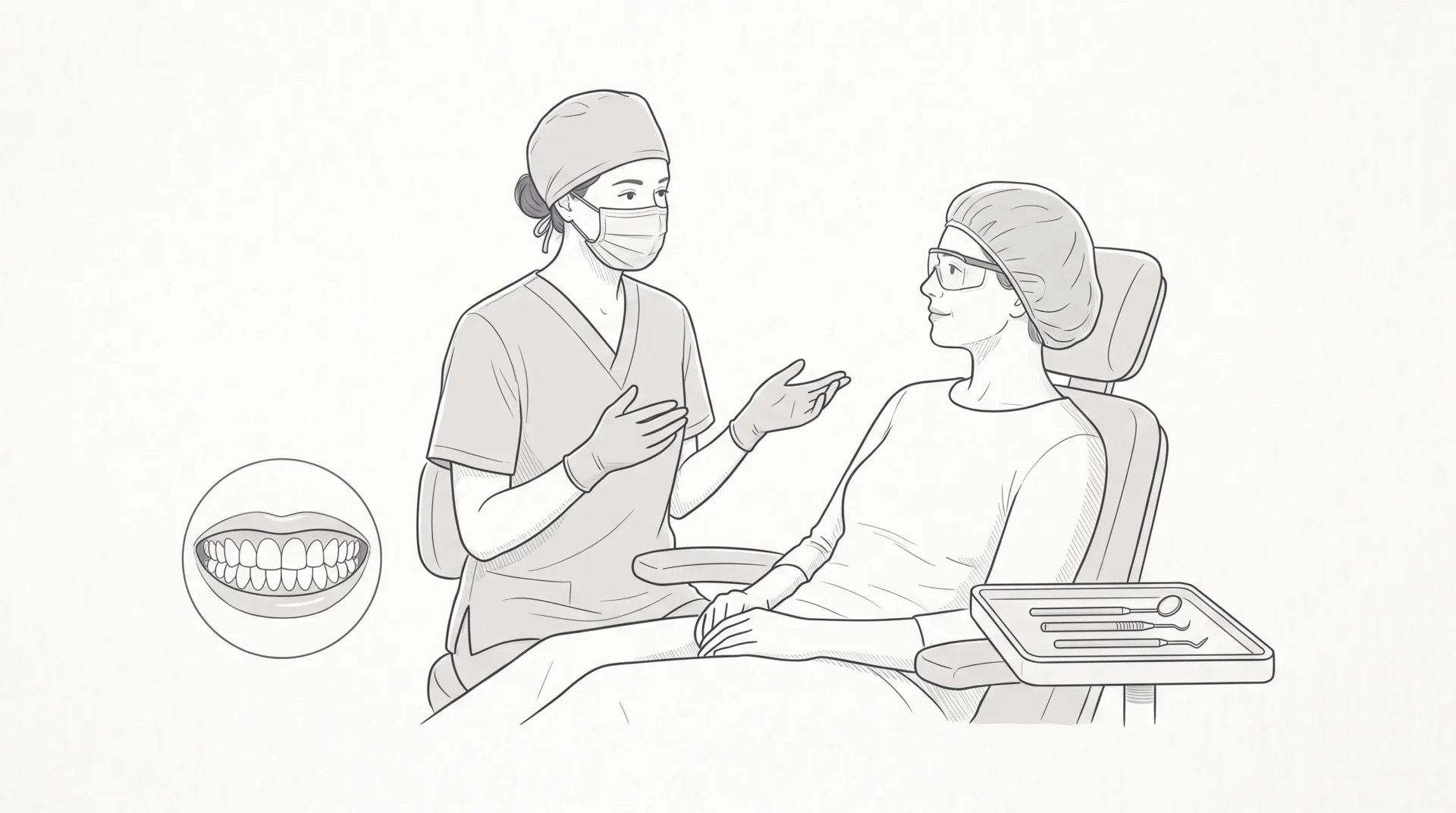
If treatment is recommended and you feel overwhelmed
Hearing that you may need treatment can be stressful, particularly if you came in hoping for a quick check. A gentle discussion should separate urgent needs from options that can be considered over time. For example, active infection, swelling, trauma or significant pain may need prompt assessment, while some other concerns may allow time for planning.
The gentle dental approach is not about avoiding necessary care. It is about helping you understand what is happening, what could happen if treatment is delayed, what alternatives may be available and what the likely appointment process involves. This can be especially helpful for treatments that people often feel nervous about, such as fillings, root canal treatment, wisdom tooth assessment or cosmetic procedures.
If more than one option is clinically suitable, your dentist can explain the potential benefits, risks, costs and maintenance involved. You should have time to ask questions before deciding, unless immediate care is needed for a dental emergency.
Choosing a Melbourne CBD dentist when you are nervous
If you work, study or live near Melbourne CBD, convenience can make it easier to attend care before a problem becomes harder to manage. A clinic close to Swanston Street, Southbank, Docklands, Carlton, East Melbourne or North Melbourne may be practical if you need appointments around work, university or family commitments.
When choosing a dentist, look for clear communication, realistic advice and a willingness to discuss your concerns without pressure. For nervous patients, the gentle dental approach should include informed consent, respect for your preferences and balanced explanations of treatment options. It should not involve promises about outcomes or pressure to choose cosmetic treatment.
Metro Dental is located on Swanston Street in Melbourne CBD and provides general, cosmetic and orthodontic dental services, including Invisalign, children’s dentistry, root canal treatment and teeth whitening. Payment plans and bulk-billed children’s dental eligibility can also be discussed where relevant, depending on individual circumstances.
Gentle dental care for children and families
Dental nerves can affect adults, teenagers and children. A child who has a calm first experience may be more willing to attend future check-ups, although every child responds differently. For children, gentle care often means using simple language, showing instruments before using them, allowing a parent or carer to be involved where appropriate and keeping early visits focused on familiarity and prevention.
Adults can also benefit from similar principles. If you are booking for a family member who feels nervous, ask them what information they want shared with the clinic. Some people appreciate help explaining their concerns, while others prefer to speak privately with the dentist.
Frequently asked questions
Is the gentle dental approach only for people with severe dental anxiety? No. It can be helpful for anyone who prefers clear explanations, a calm pace and consent-based care. People with mild nerves, sensitive teeth, a strong gag reflex or previous difficult experiences may all benefit from discussing comfort preferences before treatment.
Will a gentle dental appointment be painless? No dental clinic should guarantee a pain-free experience. Dentists can use appropriate comfort measures, such as local anaesthetic for certain procedures, but experiences vary between patients and depend on the treatment, oral health and individual response.
Can I ask the dentist to stop during treatment? Yes. Many nervous patients find it useful to agree on a simple hand signal before treatment begins. This allows the dentist to pause where it is safe to do so and check what you need.
What if I have not seen a dentist for years? You can still book an assessment. Your dentist can examine your mouth, discuss any symptoms and explain options without judgement. Treatment recommendations should be based on your current oral health and individual circumstances.
Do I have to agree to treatment on the day? In many situations, a first visit can focus on examination and discussion. If urgent symptoms are present, your dentist may explain why prompt care is recommended. You should still be given information about benefits, risks and alternatives before consenting to treatment.
Discuss dental nerves with Metro Dental in Melbourne CBD
If anxiety has made dental care difficult, a dental examination can help determine what is happening and which options may be appropriate. You can tell the team at Metro Dental about your concerns when booking so your appointment can allow for clear communication and a calmer pace where clinically suitable.
This article provides general information only and is not a substitute for personal dental advice. Your dentist can assess your oral health, explain the potential benefits, risks and alternatives and help you make an informed decision based on your needs.
Disclaimer
The information provided on this website is for general informational and educational purposes only. It is not intended to replace professional dental advice, diagnosis or treatment. Dental needs and treatment outcomes vary between individuals. Always seek advice from a qualified dental practitioner regarding your specific circumstances before making decisions about your oral health or treatment. A consultation and clinical assessment are required to determine which treatment options may be suitable for you. All dental procedures carry potential risks and benefits, which will be discussed with you before treatment.