
Preparing Your Child for Their First Dentist Visit
22 September 2026 | Children's Dentistry, General Dentistry, Preventative Dentistry
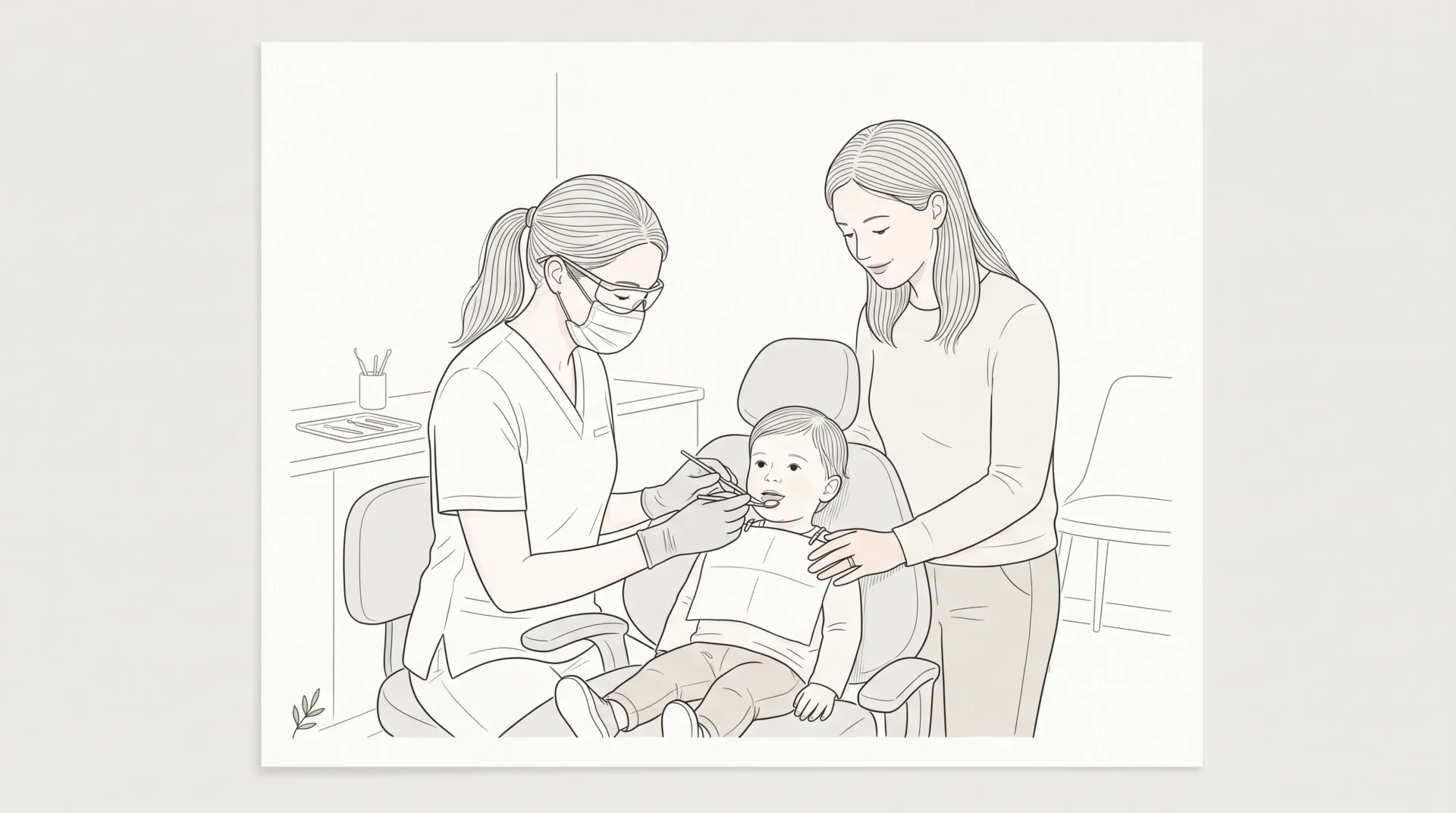
Your child’s first dentist visit is usually about familiarity, prevention and helping you understand how to care for their teeth as they grow. It does not need to be a big or worrying event. For many children, the first appointment is a gentle introduction to the dental chair, the clinic environment and a dentist looking inside their mouth.
For parents and carers, it is also a chance to ask questions about brushing, toothpaste, dummy use, thumb sucking, diet, teething, tooth eruption and what to do if a dental concern comes up. If you live, work or study near Melbourne CBD, planning the visit around your child’s routine can make the experience feel more manageable.
What age is right for a first dentist visit?
The Australian Dental Association’s patient resource, Teeth.org.au, advises that children should have their first dental visit when their first tooth appears or by around 12 months of age. This timing helps a dentist check early tooth development, gums and oral habits before problems become more difficult to manage.
If your child is already older and has not had a dental appointment yet, try not to feel embarrassed or anxious. A first dentist appointment can still be useful at any age. The dentist can assess your child’s teeth and gums, answer your questions and suggest a recall schedule based on their individual oral health needs.
Children may also need to see a dentist sooner if you notice tooth pain, swelling, injury, spots on the teeth, bleeding gums or difficulty eating. These symptoms do not mean something serious is definitely happening, but they are worth having professionally assessed.
Why the first visit matters
Baby teeth are temporary, but they play an important role in chewing, speech development and keeping space for adult teeth. Early dental visits can help parents understand how to care for baby teeth, how to reduce the risk of decay and what changes to expect as a child grows.
A first appointment may also help a child become familiar with the dental setting before they need more complex care. The sounds, chair movements and bright light can feel new to a young child, so a calm introductory visit can make future routine visits more predictable.
Metro Dental provides children’s dentistry in Melbourne CBD, with a focus on clear explanations and patient-focused care. If you are planning care for more than one family member, this guide to family dental care for different ages may also help you think through age-appropriate dental priorities.
How to talk about the appointment at home
The way adults describe dental care can influence how a child feels before their first dentist visit. Keep the explanation simple and neutral. For example, you might say, “The dentist will count your teeth and check that your mouth is healthy.” This gives your child a clear idea without overloading them.
Try to avoid words that may sound frightening, even if you are trying to reassure them. Phrases such as “it won’t hurt” can accidentally introduce the idea that something painful might happen. Instead, use practical language such as “you can sit in the chair, open your mouth and take breaks if you need to.”
Role play can be useful for toddlers and preschool children. You can practise opening mouths, counting teeth with a toothbrush or letting a teddy bear have a pretend check-up. Keep it light and brief, especially for younger children with short attention spans.
Practical ways to prepare your child
In the week before the appointment, aim for calm familiarity rather than lots of repeated discussion. Too much preparation can sometimes make the visit feel larger than it is.
Helpful preparation may include:
- Reading a simple children’s book about visiting the dentist.
- Practising toothbrushing together in front of a mirror.
- Letting your child bring a comfort item if the clinic allows it.
- Booking at a time of day when your child is usually rested.
- Telling the dental team in advance if your child has sensory sensitivities, developmental needs or past medical experiences that may affect the visit.
Before a first dentist appointment, it can also help to write down your own questions. Parents often remember concerns at bedtime or during brushing, then forget them in the appointment room. A short note on your phone is enough.
| Child’s age or stage | Helpful preparation | What to avoid |
|---|---|---|
| Baby or toddler | Keep explanations very short and bring comfort items if needed | Long warnings or repeated reminders |
| Preschool child | Practise opening wide and counting teeth | Using scary words or making promises about exactly what will happen |
| School-age child | Explain that the dentist checks teeth, gums and brushing habits | Presenting the visit as a test they can pass or fail |
| Nervous child | Let the clinic know before the appointment | Surprising them at the last minute if advance notice would help them cope |
What happens during your child’s first dentist visit?
A child’s first appointment is usually tailored to their age, cooperation level and oral health needs. The dentist may begin by talking with you about your child’s medical history, brushing routine, diet, habits and any concerns you have noticed.
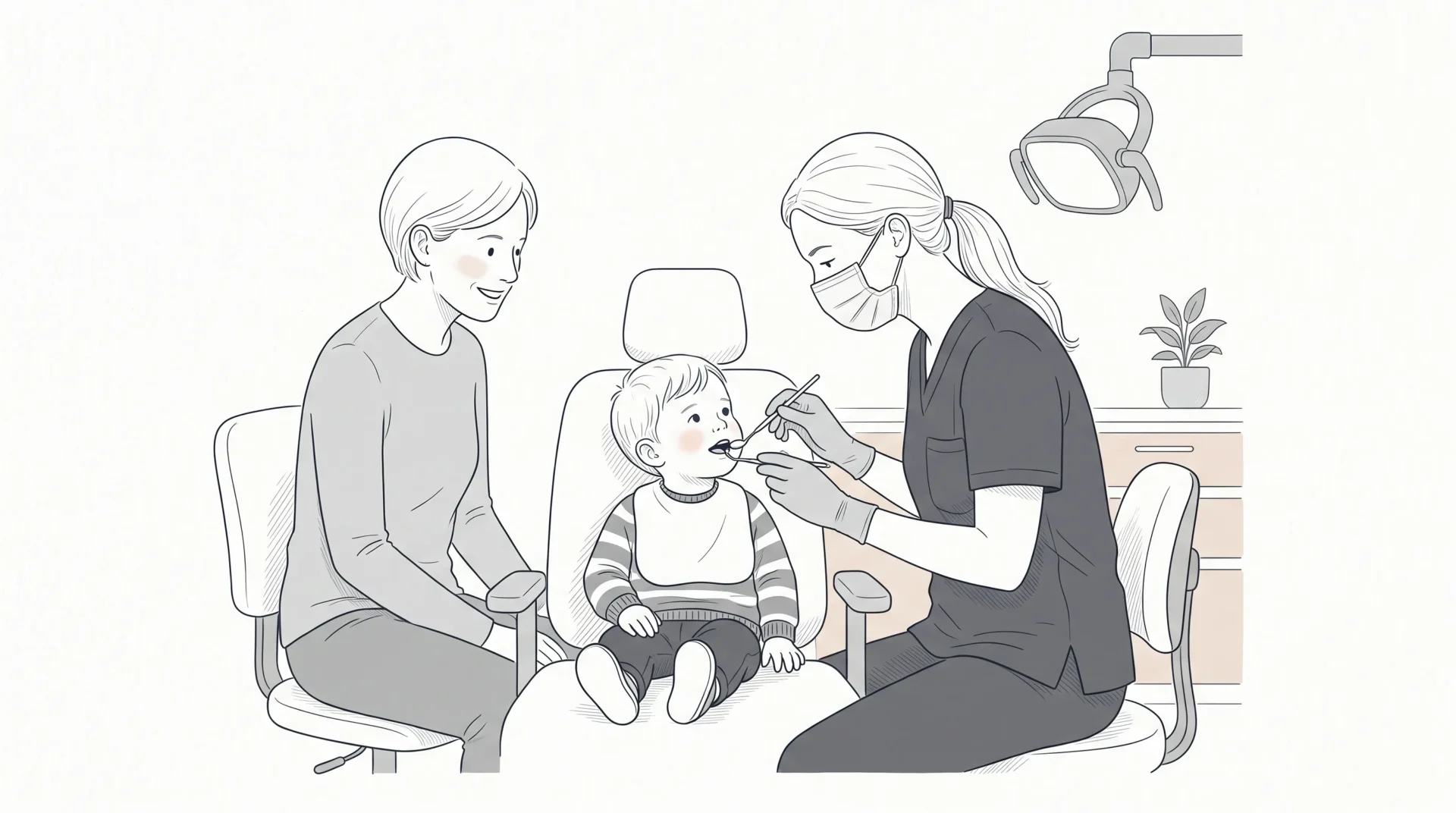
The examination may involve looking at the teeth, gums, tongue, bite and jaw development. For very young children, this might happen while they sit on a parent’s lap. Older children may sit in the dental chair. The dentist may count the teeth, check for visible signs of decay and assess how the teeth are coming through.
During a first dentist visit, a clean, fluoride advice or X-rays are not automatic for every child. They may be considered depending on your child’s age, symptoms, decay risk and what the dentist can see during the examination. Your dentist should explain why any procedure is suggested, along with potential benefits, limitations and alternatives.
For a broader overview of routine check-up steps, you may find Metro Dental’s guide on what Australian patients can expect from a dental check-up useful.
If your child feels nervous
Some children feel unsure in new environments, especially if they are sensitive to sounds, textures, lights or unfamiliar people. Nervousness is not misbehaviour. It is often a normal response to a new setting.
You can support your child by staying calm, speaking in a steady voice and letting the dental team know what usually helps. Some children cope better when they are told what is happening before each step. Others prefer fewer words and more time to observe.
Gentle dental care often includes clear communication, consent, breaks where appropriate and adapting the pace to the patient’s needs. Metro Dental discusses this approach in more detail in its article on what gentle dental care involves.
If your child is very anxious, the dentist may focus mainly on familiarisation at the first dentist appointment. A full examination may still be possible, but the plan should depend on your child’s comfort, safety and clinical needs on the day.
What to bring to the appointment
A little preparation can make the practical side of the visit smoother. Bring your child’s Medicare card, any relevant private health insurance details and information about medical conditions, allergies or medications. If your child has had dental X-rays elsewhere, ask the previous clinic whether records can be transferred.
You may also want to note:
- When brushing usually happens and whether your child uses fluoride toothpaste.
- Any tooth pain, sensitivity, bleeding gums or mouth ulcers.
- Habits such as dummy use, thumb sucking, mouth breathing or teeth grinding.
- Any previous dental, medical or hospital experiences that may affect how your child feels.
- Questions about snacks, drinks, teething or adult teeth coming through.
Some children may be eligible for dental benefits through the Australian Government’s Child Dental Benefits Schedule. You can check current eligibility and coverage information through Services Australia. Eligibility, limits and covered services can change, so it is sensible to confirm details before treatment.
If you are preparing for a family appointment in Melbourne CBD, Metro Dental’s guide on how to prepare for your dental appointment has practical tips that apply to adults and children.
Helping the day go more smoothly
For a first dentist visit, small timing choices can make a difference. If possible, avoid booking during your child’s usual nap time or when they are likely to be hungry. Allow extra travel time, especially if you are coming into Melbourne CBD by tram, train or car with a pram.
Try to keep the day ordinary rather than treating the appointment as a major event. A calm routine can be more reassuring than building it up with too much excitement or too many rewards. If you do choose a small reward afterwards, keep it unrelated to food where possible, such as a sticker, playground visit or choosing a story at home.
If the visit does not go exactly as planned, that does not mean it has failed. Some children need more than one appointment to feel comfortable. Your dentist can discuss what was possible on the day and whether another review is appropriate.
Supporting oral health after the appointment
After the first appointment, your dentist may suggest a recall interval based on your child’s oral health, risk factors and cooperation level. Some children need more frequent reviews, while others may be suitable for longer intervals. This is assessed individually.
At home, the foundations are usually consistent brushing, age-appropriate fluoride toothpaste, water as the main drink and limiting frequent sugary snacks and drinks. For young children, an adult usually needs to help with brushing because they do not yet have the coordination to clean thoroughly on their own.
After a first dentist appointment, keep dental talk positive but realistic. You can mention what went well, such as sitting in the chair or letting the dentist count some teeth. Avoid making your child feel they have disappointed anyone if they were shy, cried or needed a break.
When to book sooner than a routine visit
Routine dental visits are useful, but some symptoms should be assessed earlier. Contact a dentist if your child has toothache, facial swelling, a knocked tooth, a broken tooth, pus near the gum, ongoing bleeding, a mouth injury or difficulty eating because of dental discomfort.
For urgent or severe symptoms, such as facial swelling affecting breathing or swallowing, seek emergency medical care. For general health guidance in Australia, healthdirect can help you understand where to seek care, but it does not replace assessment by a dentist or doctor.
A dental examination can help determine what may be causing your child’s symptoms and which options may be appropriate. Treatment recommendations should only be made after an individual assessment.
Frequently Asked Questions
How long does a child’s first dental visit take? The length varies depending on the child’s age, cooperation and oral health needs. Some introductory visits are short, especially for toddlers, while older children may have a more complete check-up if they are comfortable.
Should I tell my child they are going to the dentist in advance? Many children benefit from simple advance notice, such as telling them the day before or the morning of the appointment. Very anxious children may need a different approach, so consider what usually helps your child manage new experiences.
Will my child need X-rays at the first appointment? Not always. X-rays are only recommended when the dentist considers them clinically appropriate, such as when something cannot be properly assessed by looking alone. The dentist should explain the reason before proceeding.
What if my child cries or refuses to open their mouth? This can happen, especially during a first visit. The dental team may slow down, focus on familiarisation or suggest another appointment. A gradual approach may be more suitable for some children.
Can parents stay with their child during the appointment? In many children’s dental appointments, a parent or carer stays nearby, especially for younger children. The exact arrangement depends on the child’s age, the type of care needed and what helps the child feel settled.
Is the Child Dental Benefits Schedule available for every child? No. Eligibility depends on Australian Government criteria. Check the current information through Services Australia or ask the clinic before your appointment so you understand what may or may not be covered.
Booking a child’s dental visit in Melbourne CBD
If you are preparing your child for their first dentist visit, a calm introduction and clear information can make the appointment feel more manageable for both of you. Metro Dental offers children’s dentistry in Melbourne CBD, along with general dental care for families.
To discuss your child’s needs, you can contact Metro Dental to arrange an appointment. A dentist can assess your child’s oral health and explain any suitable next steps, including potential benefits, risks and alternatives where treatment is being considered.
Disclaimer
The information provided on this website is for general informational and educational purposes only. It is not intended to replace professional dental advice, diagnosis or treatment. Dental needs and treatment outcomes vary between individuals. Always seek advice from a qualified dental practitioner regarding your specific circumstances before making decisions about your oral health or treatment. A consultation and clinical assessment are required to determine which treatment options may be suitable for you. All dental procedures carry potential risks and benefits, which will be discussed with you before treatment.