
Dental Care Tips for University Students in Melbourne
22 September 2026 | Dental Fees & Financing, General Dentistry, Preventative Dentistry

University life in Melbourne can make oral health harder to manage: packed timetables, late nights, coffee, shared kitchens, part-time work and tight budgets all compete for attention. If you are looking for a dentist for students, the most useful starting point is simple: keep a realistic daily routine, know which symptoms should be checked and choose dental care that fits your timetable and circumstances.
This guide focuses on practical steps for university students in and around Melbourne CBD. It is not a substitute for a dental examination, but it can help you make more informed choices about check-ups, dental costs, toothache, wisdom teeth, aligners and cosmetic options.
Why student life can be tough on oral health
Many students do not ignore their teeth on purpose. Oral health often slips because the routine around it changes. Moving out of home, commuting from suburbs such as Carlton, Docklands, Southbank or North Melbourne, studying late and eating around class times can all affect brushing, diet and dental appointments.
Common student habits that can increase dental risk include frequent snacking, sipping sweet drinks over long study sessions, using coffee or energy drinks often, vaping or smoking and delaying care when a small issue appears. A dentist for students can help identify which of these habits are most relevant to your mouth, rather than giving generic advice that may not apply.
Dental problems can also build quietly. Early decay, gum inflammation and enamel wear may not hurt at first. That is why preventive care matters, especially if you are trying to avoid more complex treatment later.
Build a simple routine you can actually maintain
The best routine is the one you can repeat during exam blocks, placement weeks and late nights. Aim for brushing twice a day with fluoride toothpaste and cleaning between the teeth daily, using floss or interdental brushes if your dentist recommends them. The Australian Dental Association’s patient resource, Teeth.org.au, provides plain-English information about brushing, flossing and everyday oral health habits.
If mornings are rushed, keep your toothbrush and toothpaste somewhere visible. If you often get home late, brush before you become too tired rather than waiting until you are already in bed. Small changes like this are more realistic than trying to overhaul your whole routine.
For students wearing retainers, clear aligners or fixed orthodontic appliances, cleaning needs can be more detailed. Food and plaque can collect around attachments, wires or trays. Your dentist or oral health professional can show you the safest cleaning technique for your appliance.
How to choose a dentist for students in Melbourne CBD
Convenience matters, but it should not be the only factor. A clinic close to your campus, workplace or train route can make appointments easier to attend, especially if you study in the city or travel through Melbourne CBD often.
When choosing care, look for clear communication, transparent discussion of costs, realistic advice and a preventive focus. You should feel able to ask why a treatment is recommended, whether it can be monitored, what the alternatives are and what the possible risks are. For a broader guide, Metro Dental has an article on how to choose a dental care clinic in Melbourne CBD.
The right dentist for students should also understand that appointment timing, budget and study commitments matter. That does not mean every treatment can wait, but it does mean your options should be explained in a way that helps you plan.
Student food and drink habits that affect teeth
You do not need a perfect diet for healthy teeth. The bigger issue is how often teeth are exposed to sugar and acid. Sipping soft drink, sports drinks, flavoured milk, juice or energy drinks over several hours can be harder on enamel than having the same drink with a meal.
Coffee can also contribute to staining, especially if you sip it slowly throughout the day. Sugar in coffee or tea adds another risk. If you drink coffee often, consider having water afterwards and avoid brushing immediately after acidic drinks, as enamel can be temporarily softened.
| Student habit | Why it can matter | Practical adjustment |
|---|---|---|
| Sipping energy drinks while studying | Frequent acid and sugar exposure can increase enamel wear and decay risk | Keep it occasional and drink water between sips |
| Late-night snacking | Brushing may be missed when you are tired | Brush before late study if you know you may fall asleep |
| Frequent takeaway | Sticky or sugary foods may stay around teeth longer | Rinse with water and clean well before bed |
| Wearing retainers or aligners | Plaque can collect on appliances | Clean appliances as directed and avoid sugary drinks while wearing them |
| Grinding during stress | Teeth and jaw joints may become sore | Mention jaw pain, headaches or tooth wear at your appointment |
A dentist for students may ask about these patterns because they can explain why cavities, sensitivity or gum irritation keep returning even when you brush most days.
Managing dental costs while studying
Cost is a common reason students delay dental appointments. It is reasonable to ask for fees, item numbers and a written estimate before treatment. If several options are suitable, your dentist can explain the likely benefits, limitations, risks and timing of each option.
In Australia, many adult dental services are paid privately, unless you have private health insurance extras, are eligible for a public dental program or qualify for a specific government scheme. Cover varies, so check your health fund, Overseas Student Health Cover policy or concession eligibility before assuming what is included.
Some clinics, including Metro Dental, offer payment plans. The terms, eligibility and total cost should be checked before you agree to treatment. If you want to understand why fees vary, this guide on what affects dental treatment costs in Melbourne explains factors such as treatment complexity, materials, appointment time and whether X-rays or lab work are needed.
If cost is your main concern when looking for a dentist for students, say so early. A dentist may be able to discuss which issues need prompt attention, which can be monitored and how to stage care where clinically appropriate.
When a dental issue should not be ignored
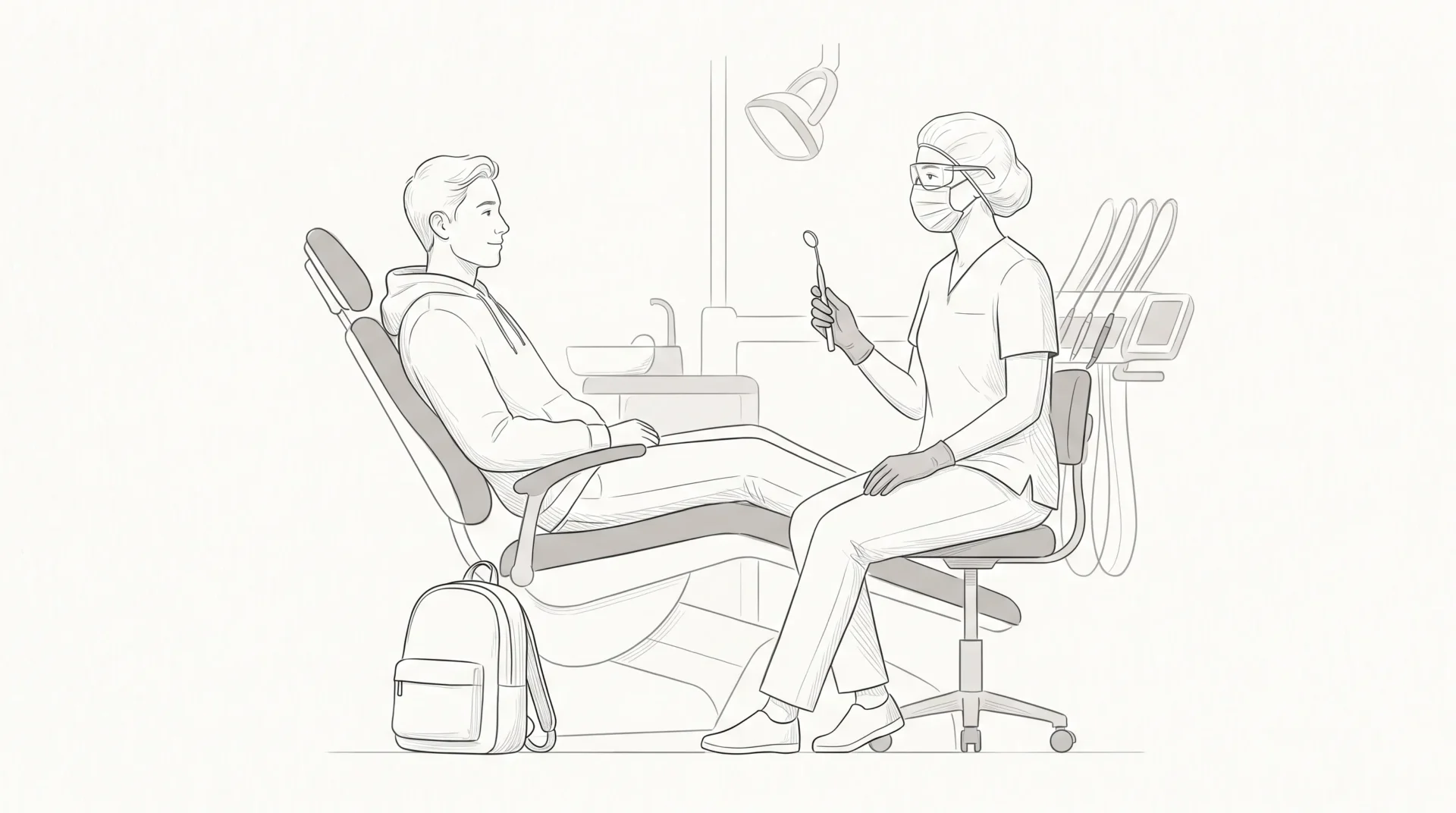
Not every concern is an emergency, but some symptoms deserve assessment sooner rather than waiting for the mid-semester break. Book a dental appointment if you have persistent toothache, swelling, bleeding gums that do not settle, a cracked tooth, a lost filling, pain when biting, sensitivity that lingers or wisdom tooth pain that affects eating or opening your mouth.
Seek urgent medical or dental advice if swelling affects your face, neck, swallowing or breathing, or if you have facial trauma. Healthdirect has general information on dental care and when to seek help, which can be useful if you are unsure where to start.
Wisdom teeth are a common student-age concern because they often emerge in the late teens or twenties. They do not always need removal, but they should be assessed if they are painful, partly erupted, difficult to clean or associated with swelling. Your dentist can examine the area and may recommend X-rays if clinically needed.
What to expect at a student dental appointment
When you see a dentist for students, the appointment will usually start with a conversation. You may be asked about symptoms, previous dental care, medical history, medications, allergies, anxiety, health fund details and what you are hoping to address.
A routine check-up may include an examination of your teeth, gums, bite, jaw joints and soft tissues. X-rays may be suggested if the dentist needs more information, for example to check between teeth, assess wisdom teeth or review an area that cannot be seen directly. X-rays are only recommended when clinically justified.
Cleaning may be provided at the same visit or booked separately, depending on your needs and the appointment type. If treatment is recommended, you should receive an explanation of the issue, the options, possible risks, expected appointments and costs. You can also read Metro Dental’s guide on what Australian patients can expect from a dental check-up.
Dental anxiety, time pressure and avoiding judgement
Many students feel awkward if they have not seen a dentist for years. Others worry about cost, needles, gagging, past experiences or being judged. These are common concerns and worth mentioning before or at the start of your appointment.
A dental team can usually adjust the pace of the visit, explain what they are doing and focus first on the concern that brought you in. This does not guarantee a particular experience, but clear communication can make the appointment feel more manageable.
If your timetable is difficult, ask what can be done in one visit and what would need a separate appointment. A dentist for students can also help you prioritise care, especially if you are balancing exams, work and travel.
Cosmetic and orthodontic options during university
Some students ask about teeth whitening, bonding, veneers or Invisalign during university. These treatments are optional and should be considered carefully. Suitability depends on your oral health, bite, enamel, gum condition, habits, treatment goals and budget.
Teeth whitening, for example, may help lighten tooth colour in some cases, but it is not suitable for all types of staining and will not whiten fillings, crowns or veneers. Clear aligners such as Invisalign may be considered for some orthodontic concerns, but they require consistent wear and are not suitable for every bite issue. Metro Dental offers general, cosmetic and orthodontic dental care, including Invisalign, but an assessment is needed before any recommendation can be made.
If you are thinking about cosmetic treatment, ask about maintenance, possible sensitivity, replacement over time and alternatives. A careful discussion can help you decide whether to proceed, wait or focus on preventive care first.
Quick checklist before your appointment
A little preparation can make your appointment more useful, particularly if you are fitting it between classes or work.
- Bring details of your health fund, Overseas Student Health Cover or concession card if relevant.
- Write down your symptoms, including when they started and what makes them better or worse.
- List medications, allergies and medical conditions, even if they do not seem dental related.
- Bring any retainers, aligners, splints or mouthguards you use.
- Ask for an estimate and treatment options before agreeing to non-urgent care.
If you are nervous, mention this when booking or at the start of the visit. You do not need to explain everything perfectly. A clear starting point is enough.
Frequently Asked Questions
Is there a dentist for students near Melbourne CBD universities? If you study, work or commute through the city, a Melbourne CBD clinic may be convenient. Metro Dental is located on Swanston Street and provides general, cosmetic and orthodontic dental care. Suitability for any treatment still depends on an individual assessment.
How often should university students have a dental check-up? The right interval varies. Some people benefit from six-monthly visits, while others may need a different schedule based on decay risk, gum health, orthodontic treatment, medical history or symptoms. Your dentist can recommend a recall interval after examining your mouth.
Can international students access dental care in Melbourne? Yes, international students can book private dental appointments. Dental cover under Overseas Student Health Cover or extras policies varies, so check your policy before treatment and ask the clinic for fee information where possible.
What if I cannot afford all recommended treatment at once? Ask your dentist which issues need prompt attention, whether any options can be staged and what the risks of delaying treatment may be. Payment plans may be available at some clinics, but you should review the terms carefully.
Do students need teeth whitening or cosmetic dentistry? No. Cosmetic treatment is optional. It may be considered by some people, but it is not necessary for oral health in many cases. A dentist can explain whether your teeth and gums are healthy enough for a cosmetic option and what alternatives may be available.
Planning dental care around study life
Good dental care during university is mostly about consistency, timing and asking questions early. If you are comparing a dentist for students in Melbourne, look for a clinic that explains your options clearly, discusses costs before treatment and supports preventive care rather than rushing decisions.
To discuss a check-up, toothache, wisdom tooth concern, cleaning appointment or Invisalign suitability, you can contact Metro Dental in Melbourne CBD. A dental examination can help determine what is happening and which options may be appropriate for your individual needs.
Disclaimer
The information provided on this website is for general informational and educational purposes only. It is not intended to replace professional dental advice, diagnosis or treatment. Dental needs and treatment outcomes vary between individuals. Always seek advice from a qualified dental practitioner regarding your specific circumstances before making decisions about your oral health or treatment. A consultation and clinical assessment are required to determine which treatment options may be suitable for you. All dental procedures carry potential risks and benefits, which will be discussed with you before treatment.