
Root Canal Recovery: What to Eat and What to Avoid
12 August 2026 | News
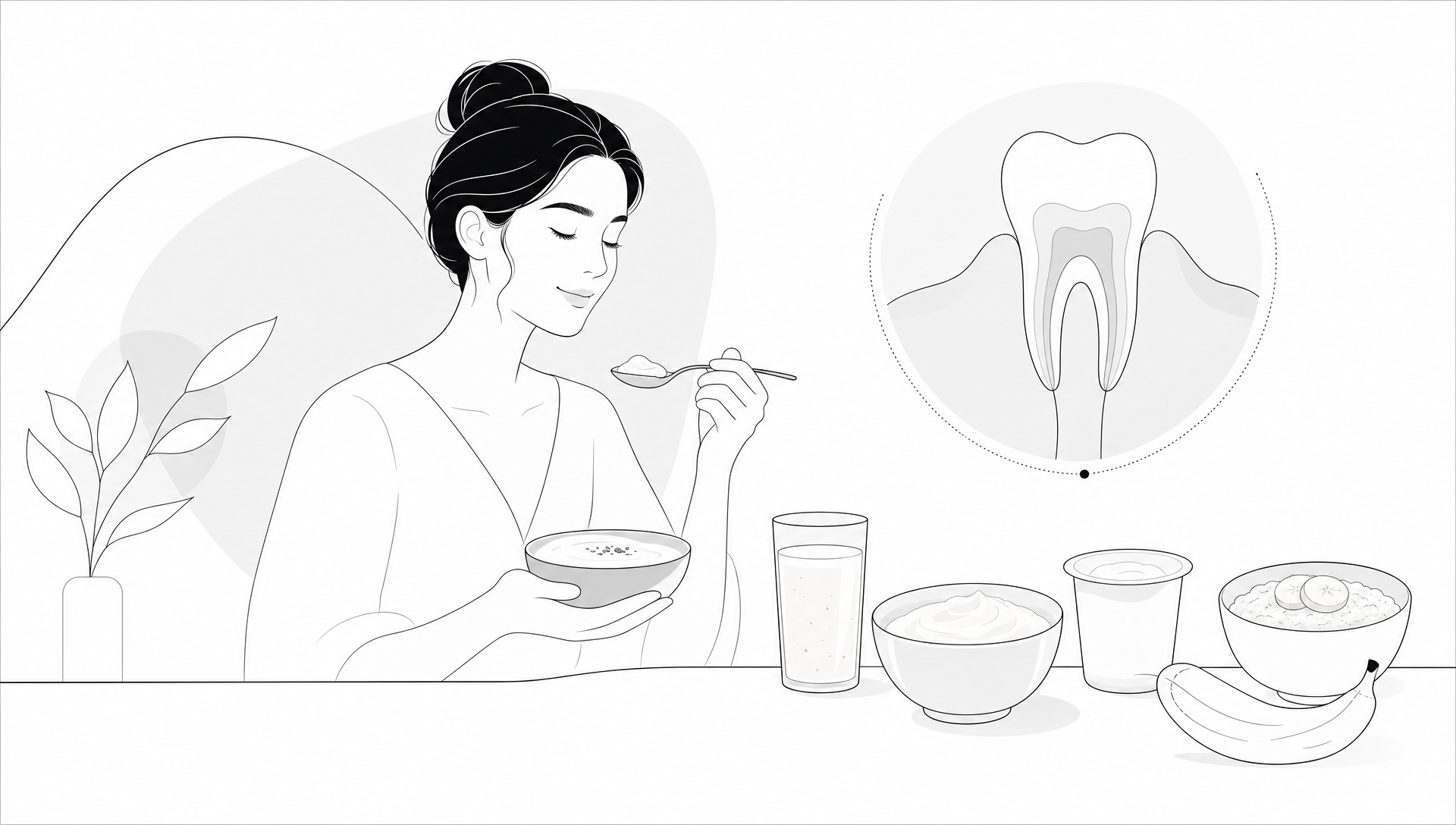
Root canal recovery is usually much easier than people expect, especially when you know what to eat and what to avoid in the first few days. The treated tooth and surrounding gum can feel tender while inflammation settles, and if you have a temporary filling or crown, the tooth needs extra protection until the final restoration is placed.
The goal is simple: choose foods that are soft, nourishing, and easy to chew, then avoid anything that could crack the tooth, dislodge a temporary restoration, or irritate the area. Always follow the instructions from your dentist, because your recovery advice may vary depending on the tooth treated, the severity of infection, and whether you still need a permanent filling or crown.
What to expect after a root canal
A root canal treats the inside of a tooth by removing infected or inflamed pulp, cleaning the root canals, and sealing the space. The Australian Dental Association’s oral health resource explains that root canal treatment is designed to save a tooth that might otherwise need to be removed.
After treatment, it is normal to have some tenderness when biting or chewing. This does not usually mean the treatment has failed. The tissues around the root can remain inflamed for a short time, especially if the tooth was painful or infected before your appointment.
You may also feel numb for a few hours after treatment. During this time, it is best not to eat solid food, because you can accidentally bite your cheek, lip, or tongue without realising it. Hot drinks are also risky while you are numb, since you may not feel a burn until it is too late.
If your dentist placed a temporary filling, treat it carefully. Temporary materials are useful for sealing the tooth between appointments, but they are not designed to handle the same forces as a long-term restoration. Your dentist may recommend a crown or permanent filling to help protect the tooth once the root canal is complete.
When can you eat after a root canal?
Most people can eat after the numbness has fully worn off, provided they stick to soft foods and chew away from the treated tooth. If your dentist gave you specific timing, follow that advice first.
Here is a practical guide for the first stages of recovery:
| Recovery stage | What to eat | What to avoid | Why it matters |
|---|---|---|---|
| While numb | Water only, or wait until sensation returns | Solid food, hot drinks | Prevents burns and accidental biting |
| First 24 hours | Soft, cool or lukewarm foods | Hard, crunchy, sticky, very hot foods | Reduces pressure on the tooth and gum |
| Next few days | Soft meals with gentle chewing | Chewing on the treated side, tough meats, nuts | Allows tenderness to settle |
| Until final restoration | Foods that do not require heavy biting | Hard lollies, ice, sticky sweets, chewing gum | Protects temporary fillings and weakened tooth structure |
| After final restoration | Gradual return to normal eating | Anything that feels painful to bite | Helps identify bite issues early |
A good rule is to avoid testing the treated tooth. Even if it feels better quickly, the tooth may still be vulnerable until your dentist confirms the restoration is complete and your bite is comfortable.
Best foods to eat during root canal recovery
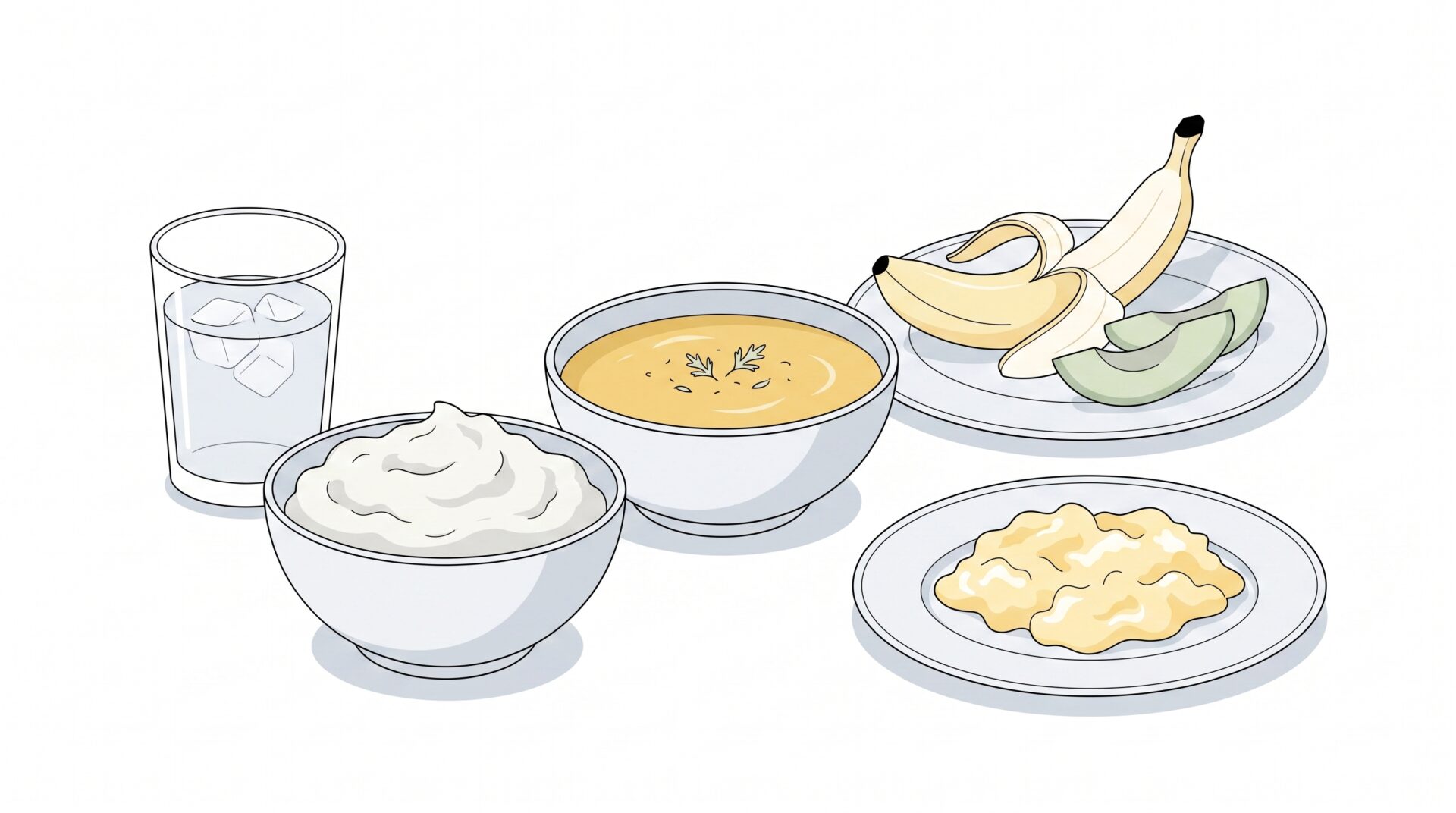
Soft foods are your safest choice after a root canal. They reduce chewing pressure and make it easier to keep the area clean. Choose foods that are not too hot, not too spicy, and not likely to break into sharp pieces.
Good options include:
- Yoghurt, custard, or smooth cottage cheese
- Scrambled eggs, omelette, or soft tofu
- Mashed potato, pumpkin, sweet potato, or avocado
- Oats, porridge, soft cereal, or rice pudding
- Pasta, noodles, risotto, or soft rice dishes
- Soft fish, lentils, beans, or tender chicken cut into small pieces
- Smoothies, bananas, stewed fruit, or applesauce
- Lukewarm soups without hard croutons or crunchy toppings
Protein is especially helpful because it supports tissue repair and keeps you satisfied. Scrambled eggs, yoghurt, fish, tofu, and legumes are easy to eat without heavy chewing. If you are making a smoothie, avoid adding hard seeds or crunchy granola until your tooth feels comfortable.
Temperature also matters. Very hot foods can irritate the treated area, especially while the gum is tender. Lukewarm soup is usually better than steaming hot soup. Cold foods such as yoghurt can feel soothing, but avoid biting into ice or frozen treats.
If you need to eat at work or university after an appointment, plan ahead with easy meals. A soft pasta, soup, smoothie, or yoghurt bowl can help you avoid grabbing something crunchy when you are hungry.
Foods and drinks to avoid after a root canal
The main foods to avoid are those that place high pressure on the tooth, stick to temporary materials, or irritate tender gums. This is especially important if you still have a temporary filling or are waiting for a crown.
| Avoid | Examples | Reason |
|---|---|---|
| Hard foods | Nuts, hard lollies, crusty bread, raw carrots | Can crack the tooth or damage a temporary filling |
| Crunchy foods | Popcorn, chips, toasted muesli, seeds | Small pieces can irritate the gum or lodge around the tooth |
| Sticky foods | Caramels, toffees, chewing gum, sticky lollies | May pull at temporary fillings or crowns |
| Tough foods | Steak, jerky, chewy bread, dense pizza crust | Requires heavy biting and chewing force |
| Very hot foods or drinks | Hot coffee, hot tea, steaming soup | Can irritate tissue and burn your mouth if still numb |
| Alcohol with medication | Beer, wine, spirits | May interact with prescribed medicines or affect healing |
Popcorn deserves special mention. The kernels and husks can wedge between teeth or under the gumline, and unpopped kernels are hard enough to damage teeth. It is best to leave popcorn until your dentist says your tooth is fully restored and comfortable.
You should also avoid using the treated tooth for non-food habits, such as chewing pens, biting fingernails, tearing packets, or crunching ice. These habits can cause cracks even in healthy teeth, and they are riskier when a tooth has recently had root canal treatment.
How to chew safely while your tooth heals
Chewing on the opposite side of your mouth is one of the easiest ways to protect the treated tooth. Take small bites, eat slowly, and avoid foods that require a strong tearing motion. If both sides of your mouth feel tender, choose very soft foods for a day or two and contact your dentist if you are struggling to eat.
If the tooth hurts every time your teeth meet, your bite may need adjustment. Sometimes a restoration can sit slightly high, which puts extra pressure on the treated tooth. This is usually simple for a dentist to assess, but it should not be ignored because repeated pressure can prolong soreness.
Tenderness should generally improve, not worsen. Mild discomfort for a few days can be normal, but sharp pain on biting, increasing swelling, or pain that wakes you at night should be checked.
Oral care after a root canal
Keeping your mouth clean helps recovery and protects the treated tooth from new decay. Brush gently around the area, especially near the gumline. You can floss unless your dentist has told you not to, but be careful around temporary fillings or temporary crowns. Slide floss out sideways rather than snapping it upward if it catches.
Warm salt water rinses may feel soothing for irritated gums, but do not use them as a replacement for brushing. If your dentist prescribed antibiotics, take them exactly as directed and complete the course unless your dentist or doctor advises otherwise. Not every root canal requires antibiotics, so do not be concerned if they were not prescribed.
For pain relief, follow your dentist’s instructions and only take medicines that are safe for you. If you are unsure whether you can take ibuprofen, paracetamol, or another pain reliever, ask your dentist, pharmacist, or GP, particularly if you are pregnant, have stomach ulcers, kidney disease, liver disease, asthma triggered by anti-inflammatory medicines, or take blood thinners.
When can you return to normal foods?
Many people return to a normal diet within a few days, but the safest timing depends on whether the tooth has its final restoration. Front teeth may have different restoration needs from molars, and back teeth often take heavier chewing forces.
If you have a temporary filling, keep avoiding hard and sticky foods until your permanent restoration is placed. If your dentist recommends a crown, it is usually because the tooth needs extra strength and coverage for long-term function. The Better Health Channel notes that teeth can need restoration after root canal therapy, which may include a filling or crown depending on the case.
Once your final filling or crown is fitted and your bite feels even, you can usually ease back into your regular meals. Start with moderate textures before trying very hard foods. If something causes a sharp twinge, stop chewing on that side and book a review.
Signs you should call your dentist
Some discomfort can be part of root canal recovery, but certain symptoms need professional advice. Contact your dentist if you notice swelling, fever, worsening pain, pus, a bad taste that will not go away, or a temporary filling that feels loose or has fallen out.
You should also call if your bite feels uneven, the treated tooth is painful when you tap it, or you cannot chew comfortably after several days. Early review can prevent small issues from becoming bigger problems.
If you are in Melbourne CBD and need post-treatment advice, Metro Dental on Swanston Street provides general dental care in a central location, including root canal treatment and follow-up care.
Frequently Asked Questions
Can I drink coffee after a root canal? Yes, but wait until the numbness has worn off and choose warm rather than very hot coffee. Very hot drinks can burn your mouth while you are numb and may irritate tender tissue.
Can I eat on the same side as my root canal? It is best to chew on the opposite side until tenderness settles and your dentist confirms the tooth is properly restored. This is especially important if you have a temporary filling.
Is it normal for my tooth to hurt when biting after a root canal? Mild tenderness can be normal for a few days. If biting pain is sharp, worsening, or feels like the tooth hits first, contact your dentist because your bite may need adjustment.
Can I eat crunchy foods after my final crown or filling? Usually you can return to normal foods once the final restoration is complete and comfortable. Ease back gradually and avoid crunching ice, hard lollies, or other items that can damage any tooth.
What should I do if my temporary filling falls out? Call your dentist promptly. A temporary filling helps seal and protect the tooth, so it should be replaced or assessed as soon as possible.
Need support with root canal recovery?
Root canal recovery is smoother when you protect the tooth, eat soft foods, and act early if something does not feel right. If you have ongoing pain, swelling, a loose temporary filling, or questions about what you can eat, book a dental review rather than waiting it out.
Metro Dental offers gentle, patient-focused care in Melbourne CBD, with general dentistry and root canal treatment available at a convenient Swanston Street clinic. If you are unsure about your recovery, the team can assess your tooth and guide your next steps.
Disclaimer
The information provided on this website is for general informational and educational purposes only. It is not intended to replace professional dental advice, diagnosis or treatment. Dental needs and treatment outcomes vary between individuals. Always seek advice from a qualified dental practitioner regarding your specific circumstances before making decisions about your oral health or treatment. A consultation and clinical assessment are required to determine which treatment options may be suitable for you. All dental procedures carry potential risks and benefits, which will be discussed with you before treatment.