
What to Ask a Dentist About Dental Bridges
12 August 2026 | Crowns, Dental Fees & Financing, General Dentistry
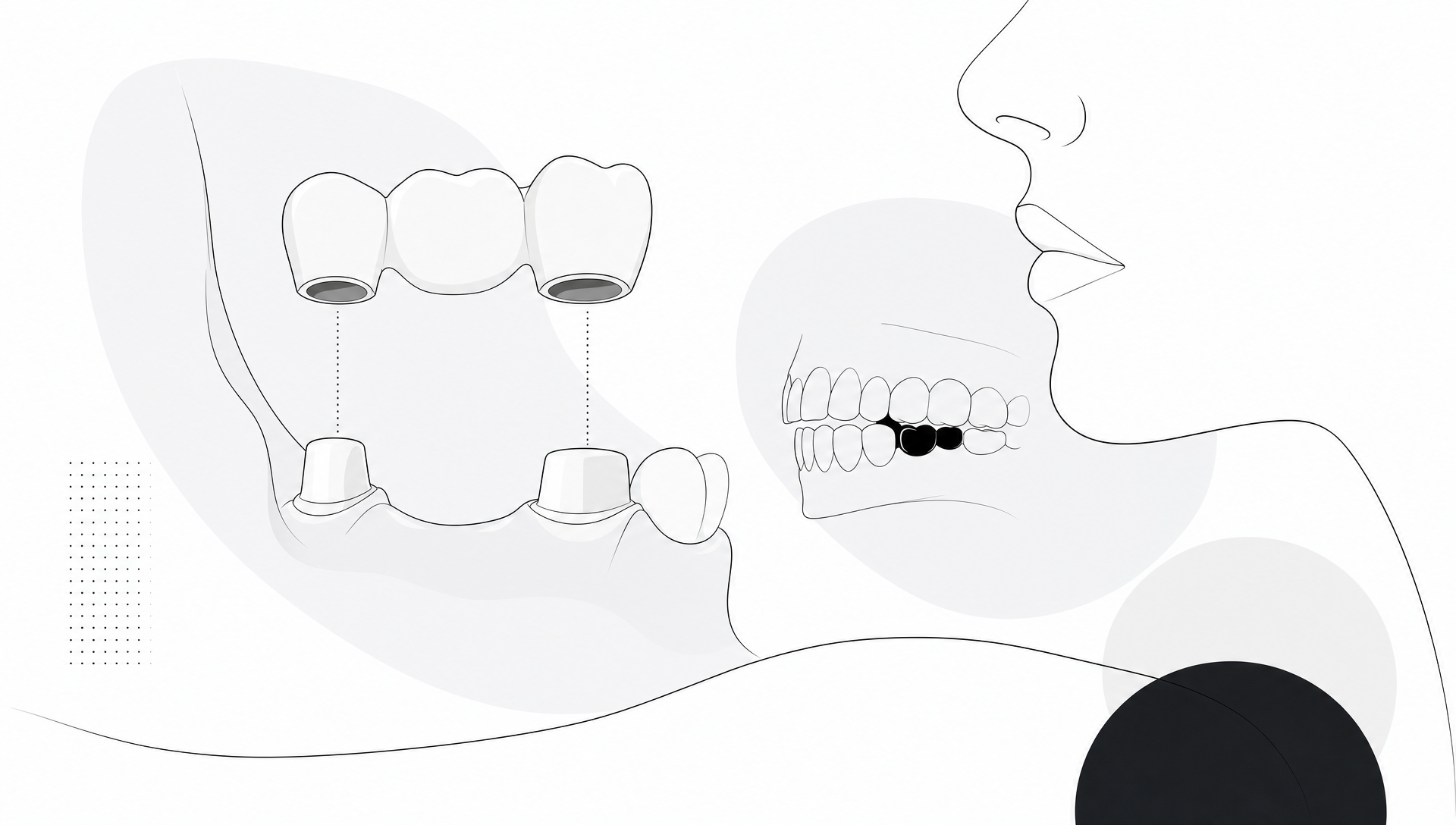
If you are searching for a bridge dentist because you have a missing tooth, an older bridge, or a gap that is starting to affect chewing, the most useful first step is knowing what to ask. A dental bridge is one option for replacing one or more missing teeth, but it is not suitable for every mouth or every situation.
A good discussion with your dentist should cover more than the appearance of the gap. It should include your oral health, the condition of nearby teeth, possible alternatives, risks, costs, expected maintenance and what happens if you choose not to replace the tooth for now.
Why your questions matter before getting a dental bridge
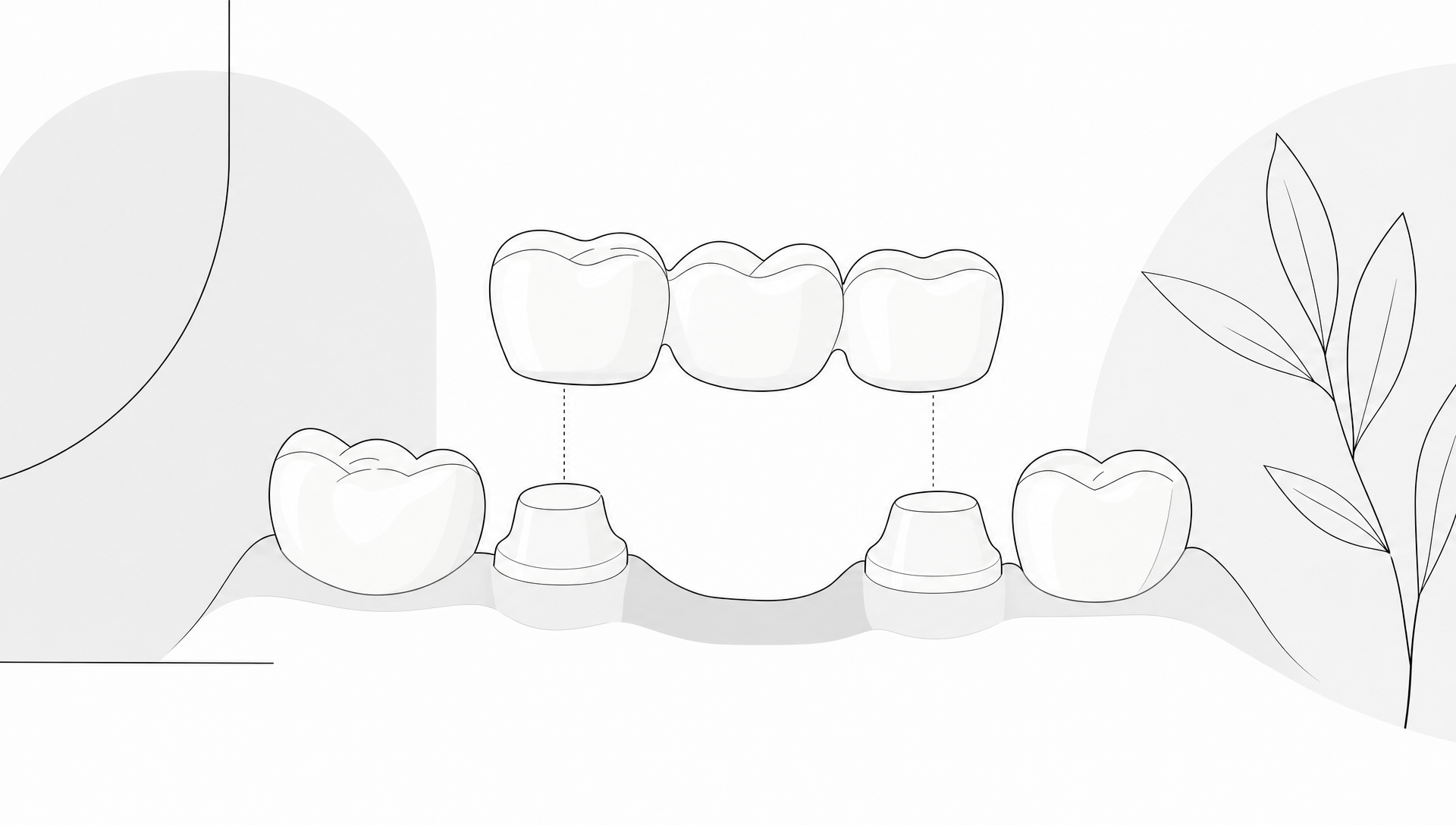
A dental bridge is a fixed dental restoration, meaning it is attached in the mouth and is not removed like a denture. It usually includes one or more artificial teeth, called pontics, held in place by neighbouring teeth or dental implants.
Because a bridge relies on support from teeth, implants or both, planning is important. In some cases, the teeth beside the gap may need to be reshaped and covered with crowns. In other cases, an implant-supported bridge or removable partial denture may be more appropriate. For some patients, monitoring the space may also be discussed, depending on the bite, oral health and treatment goals.
The right questions can help you understand whether a bridge is being recommended for functional reasons, cosmetic reasons, or both. They also give you a clearer picture of the trade-offs involved.
Questions to ask a bridge dentist before you decide
Is a dental bridge suitable for my mouth?
Suitability depends on a clinical examination. Your dentist may look at your gums, bite, jaw joint comfort, remaining teeth, previous dental work, oral hygiene, medical history and any signs of clenching or grinding.
Useful questions include:
- Is the gap suitable for a bridge, or are there concerns with the neighbouring teeth?
- Are my gums healthy enough for this treatment to be considered?
- Will any decay, gum disease or bite issue need to be managed first?
- Would a bridge place extra stress on any existing fillings, crowns or teeth?
- What might happen if I do not replace the missing tooth at this stage?
A bridge may be considered when the supporting teeth are strong enough and the bite can be planned safely. It may be less suitable if the adjacent teeth are heavily compromised, gum health is unstable, or the bridge would be difficult to clean properly.
What type of dental bridge are you recommending?
There is more than one type of dental bridge. The design your dentist discusses should relate to the location of the missing tooth, the condition of nearby teeth and your overall treatment plan.
| Type of bridge | How it is generally supported | Points to discuss with your dentist |
|---|---|---|
| Traditional fixed bridge | Crowns on teeth beside the gap | May be suitable when adjacent teeth need crowns or can support the bridge, but it usually involves reshaping those teeth |
| Cantilever bridge | Supported from one side only | Used only in selected cases because it can place more force on the supporting tooth |
| Resin-bonded bridge | A false tooth bonded to the back of nearby teeth with a wing or framework | Often more conservative, but may not suit all bite forces or tooth positions |
| Implant-supported bridge | Dental implants rather than natural teeth | May avoid crowning neighbouring teeth, but involves implant assessment, surgery and healing time |
No single option is automatically better for everyone. Ask why a particular bridge design is being considered for your mouth and what other options have been ruled in or out.
How does a bridge compare with an implant or denture?
A dental implant, a partial denture and a bridge can all be considered for missing teeth, depending on the circumstances.
A dental implant replaces the tooth root with a small fixture placed in the jawbone, followed by a crown or bridge. It requires suitable bone, healthy gums and a surgical procedure. A partial denture is removable and may replace one or more teeth without permanently attaching to the neighbouring teeth, although it has its own cleaning and comfort considerations.
A bridge may appeal to some patients because it is fixed and can be completed without implant surgery. However, it may involve reshaping supporting teeth and it still needs careful cleaning under the false tooth. If you are comparing options, this patient information page on dental bridge treatment in Melbourne provides another overview of what bridges may involve and how they can be compared with implants.
When speaking with your own dentist, ask about the likely benefits, limitations and risks of each option in your specific case. It is reasonable to ask why one option is being recommended over another.
What will the appointments involve?
Dental bridge treatment is usually planned over more than one appointment, although the exact process varies. Your dentist should explain the steps before treatment begins.
In many cases, planning may include:
- Examination and diagnosis: Your dentist checks the missing tooth area, neighbouring teeth, gums, bite and any symptoms.
- X-rays or scans: Images may be used to assess tooth roots, bone levels, existing dental work and the surrounding structures.
- Treatment discussion: You should be given information about suitable options, likely costs, timing, risks and alternatives.
- Tooth preparation if needed: If a traditional bridge is chosen, supporting teeth may be reshaped so crowns can fit over them.
- Impressions or digital records: These help create a bridge that fits the space, bite and surrounding teeth.
- Trial, fitting and review: Your dentist checks the fit, bite and comfort before or after the bridge is secured, and may schedule follow-up review.
Local anaesthetic may be used when teeth are being prepared. Some patients experience temporary sensitivity or gum tenderness after preparation or fitting. Your dentist can explain what is expected and what would need review.
What are the possible benefits and limitations?
A dental bridge may help replace a missing tooth, support chewing and reduce the visible gap when you smile or speak. In some cases, replacing a missing tooth can also help reduce unwanted movement of nearby teeth, although this depends on the position of the gap and the way your bite functions.
It is just as important to understand the limitations. A bridge is not a natural tooth. It depends on the health of the supporting teeth or implants, and the area underneath the artificial tooth needs to be cleaned carefully. Bridges can also wear, chip, loosen or need replacement over time.
Ask your dentist:
- What is the main goal of this bridge in my case?
- What changes should I realistically expect?
- What will not be changed by having a bridge?
- How might this bridge affect my bite or cleaning routine?
- What signs would suggest the bridge needs review later?
This helps keep the conversation realistic and focused on informed decision-making rather than assuming one treatment can solve every concern.
What risks should I understand?
All dental procedures carry potential risks and benefits. Your dentist should explain the risks that apply to your mouth, especially if nearby teeth already have large fillings, cracks, crowns, gum issues or previous root canal treatment.
Possible risks or complications can include tooth sensitivity, decay around the bridge margins, gum irritation, difficulty cleaning, changes to the bite, ceramic chipping, loosening of the bridge, or the need for further treatment on a supporting tooth. In some cases, a tooth that has been prepared for a crown or bridge may later require root canal treatment, although this does not happen to everyone.
A helpful question is: “What are the main reasons this bridge might fail or need repair in the future?” The answer should help you understand how your oral health, home care, bite forces and regular dental reviews all contribute to the long-term outlook.
How much natural tooth structure will be changed?
This is one of the most important questions if a traditional bridge is being considered. To fit crowns over the teeth beside the gap, some natural tooth structure is usually removed. This may be appropriate when those teeth already need crowns, but it is a larger trade-off if the neighbouring teeth are otherwise healthy.
Ask whether a more conservative option is available, such as a resin-bonded bridge, partial denture or implant-supported solution. These options are not suitable in every case, but discussing them helps you understand why a particular plan is being recommended.
What materials are available?
Dental bridges can be made from different materials, such as ceramic, zirconia, porcelain fused to metal or other dental materials. The choice may depend on the location of the bridge, bite forces, appearance goals, available space, allergies or sensitivities, and how the bridge will be supported.
Rather than asking for the “strongest” or “most natural” material in general terms, ask which material is appropriate for your situation and why. A back tooth bridge may need different planning considerations from a front tooth bridge, and patients who grind their teeth may need extra discussion about wear, chipping and protective night guards.
How will I clean around and under the bridge?
A bridge needs daily cleaning, including the area under the false tooth where food and plaque can collect. Unlike a natural tooth, the artificial tooth in a bridge is joined to the supporting crowns or framework, so standard floss may not pass between the teeth in the usual way.
Your dentist or oral health professional may show you how to use floss threaders, super floss, interdental brushes or a water flosser if appropriate. The right tools depend on the bridge design and the space available around your gums.
Regular check-ups are also important because bridge margins, supporting teeth and gum health need to be monitored. If you are unsure how often to attend, this Metro Dental guide on how often you should visit a dentist in Melbourne explains why recall intervals should be based on individual risk rather than a single rule for everyone.
What will it cost, and what is included?
Dental bridge costs vary because treatment can involve different designs, materials, numbers of teeth, laboratory work, X-rays, provisional restorations, follow-up visits and management of any underlying problems. A simple fee comparison may not tell you whether two treatment plans are clinically similar.
Before agreeing to treatment, ask for a written estimate and ask what is included. You may also want to ask whether item numbers can be provided for your private health fund, whether a temporary bridge is included if needed, and what future maintenance or replacement costs may arise.
If payment timing is a concern, ask the clinic what payment plan options are available and what terms apply. This should be discussed clearly before treatment begins.
A practical checklist to take to your appointment
If you are considering a bridge, it can help to bring a short list of questions so you do not need to remember everything during the appointment.
Consider asking:
- What has caused the tooth loss or gap, and does that need treatment first?
- Is a bridge suitable for my gums, bite and neighbouring teeth?
- Which bridge design are you recommending, and why?
- What alternatives are available, including implant, denture or no treatment for now?
- What are the benefits, limitations and risks in my case?
- How many appointments may be needed?
- Will any teeth need to be reshaped?
- How will the bridge be cleaned at home?
- What costs are involved, and what might cost extra later?
- How will we monitor the bridge over time?
You do not need to make a decision immediately if you feel unsure. It is appropriate to ask for time to consider the information, compare options or seek another opinion.
When should you speak with a dentist promptly?
If you already have a missing tooth and are not in pain, it is usually reasonable to book a routine assessment and discuss your options. However, some symptoms need more prompt attention.
Contact a dentist if you have swelling, increasing pain, pus, a bad taste that does not settle, a loose bridge, a cracked supporting tooth, bleeding gums around a bridge, or difficulty chewing that is getting worse. If you have facial swelling with fever, difficulty swallowing or difficulty breathing, seek urgent medical care.
Early assessment does not mean you will necessarily need a bridge. It simply gives your dentist a chance to identify the cause of symptoms and explain suitable options.
Frequently asked questions
Is a dental bridge always the best way to replace a missing tooth? No. A bridge may be suitable for some patients, but implants, partial dentures or monitoring the space may be appropriate in other cases. Suitability depends on your oral health, bite, bone, neighbouring teeth, medical history and preferences.
How long does a dental bridge last? The lifespan of a dental bridge varies. It can be influenced by the bridge design, materials, oral hygiene, gum health, decay risk, bite forces, grinding habits and regular dental reviews. Your dentist can discuss likely maintenance needs for your situation.
Will a dental bridge hurt? Some parts of bridge treatment may involve tooth preparation, and local anaesthetic may be used. Experiences vary. Temporary sensitivity or gum tenderness can occur, and your dentist should explain what to expect and when to seek review.
Can a bridge replace more than one missing tooth? Sometimes. A bridge may replace one or more missing teeth, but longer spans can place more force on the supporting teeth or implants. Your dentist will need to assess the gap, bite and support available.
Can I get a bridge if I grind my teeth? Grinding or clenching does not always rule out a bridge, but it can affect planning. Your dentist may discuss material choice, bite adjustment, risks of chipping or loosening, and whether a night guard may be appropriate.
Should I replace an old bridge that still feels fine? Not necessarily. An older bridge may continue to function if the supporting teeth, gums and bite remain healthy. A dentist can check for decay, looseness, cracks or gum issues that may not be obvious at home.
Discussing dental bridges in Melbourne CBD
If you have a missing tooth, an older bridge or questions about replacing a gap, a dental examination can help clarify what is happening and which options may be appropriate. Your dentist can explain the potential benefits, risks, limitations and alternatives based on your mouth rather than general advice.
Metro Dental is located on Swanston Street in Melbourne CBD and provides patient-focused general and cosmetic dental care. To discuss your concerns, you can book an appointment with Metro Dental for an assessment and a clear conversation about your options.
Disclaimer
The information provided on this website is for general informational and educational purposes only. It is not intended to replace professional dental advice, diagnosis or treatment. Dental needs and treatment outcomes vary between individuals. Always seek advice from a qualified dental practitioner regarding your specific circumstances before making decisions about your oral health or treatment. A consultation and clinical assessment are required to determine which treatment options may be suitable for you. All dental procedures carry potential risks and benefits, which will be discussed with you before treatment.