
How Teeth Whitening Fits Into Cosmetic Dentistry in Melbourne
26 October 2026 | Cosmetic Dentistry, Teeth Whitening
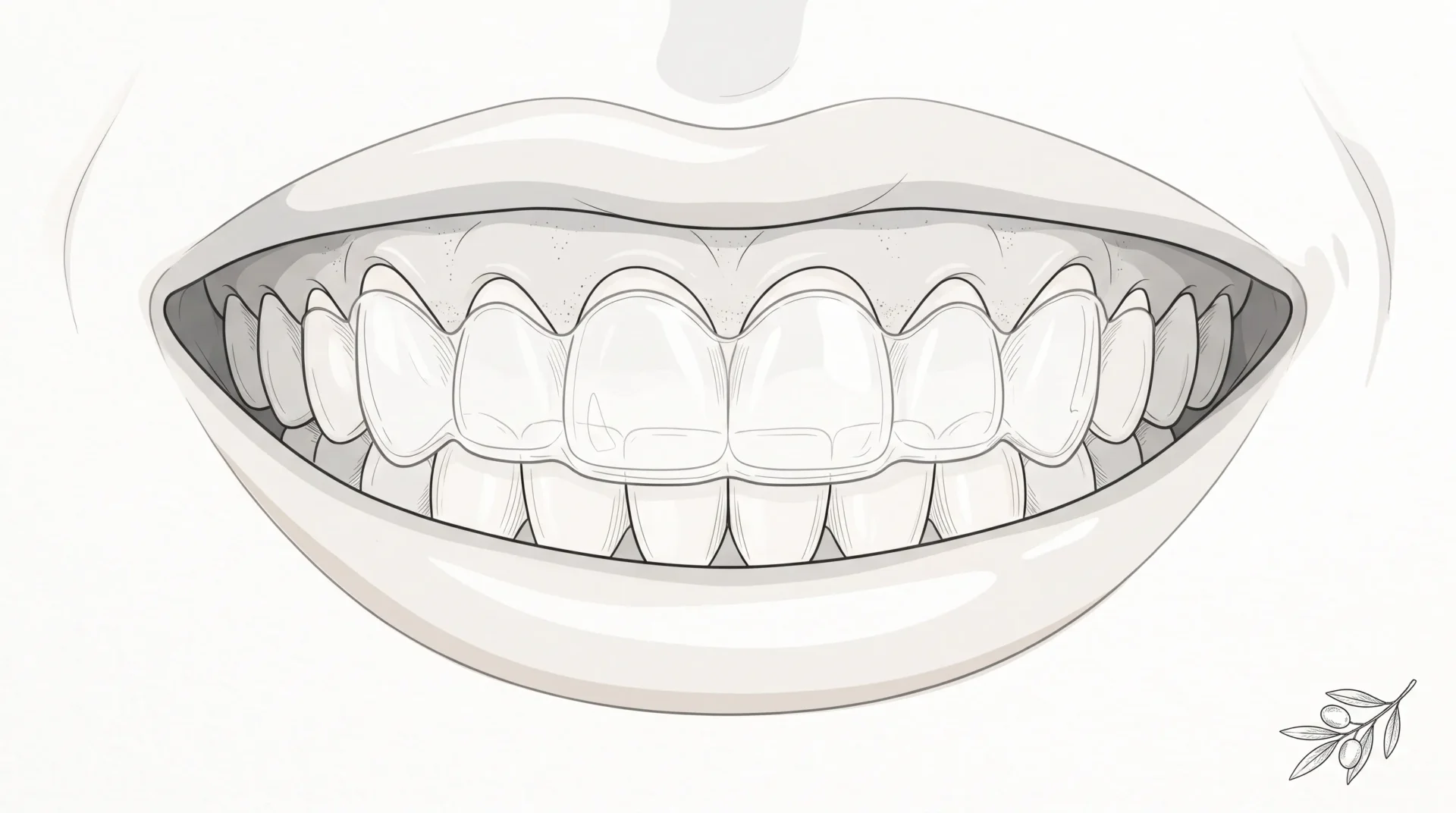
In cosmetic dentistry teeth whitening is an optional treatment that may lighten natural teeth. It does not straighten teeth, change their shape or lighten existing fillings and crowns. For someone considering cosmetic dental care in Melbourne, its role depends on what they would like to change and whether their teeth and gums are healthy enough for treatment.
Whitening may be considered on its own or discussed alongside treatments such as bonding, veneers or orthodontics. It is not a necessary part of dental care, and keeping your natural tooth colour is a valid choice.
Where whitening fits in a cosmetic dental plan
Cosmetic dentistry focuses on the appearance of teeth, although appearance, oral health and function often overlap. A useful starting point is identifying whether your concern is tooth colour, shape, position or a combination of these.
Whitening addresses colour. Composite bonding, which involves applying tooth-coloured resin, may change a tooth’s outline or repair a small chip. Veneers cover the front surface of selected teeth. Orthodontic treatment moves teeth to address alignment and bite concerns.
These treatments are not interchangeable. If tooth position is your main concern, whitening will not address it. Equally, changing the shape of healthy teeth may not be appropriate when your only concern is their colour.
Understanding the differences between general, cosmetic and orthodontic dental services can help you describe your priorities before discussing individual treatments.
What can whitening change?
Within cosmetic dentistry teeth whitening targets the colour of natural tooth structure. Professional whitening commonly uses peroxide-based gels to break down coloured compounds in teeth. The response depends on the cause of discolouration, the treatment used and individual tooth characteristics.
Staining associated with food, drinks, tobacco or ageing may respond differently from discolouration caused by an injury or changes inside a tooth. A single tooth that has become darker needs assessment rather than simply being treated with a general whitening product.
The Australian Dental Association’s patient information on teeth whitening explains why a dental assessment matters and outlines limitations and possible side effects. A particular final shade cannot be promised, and teeth may not lighten evenly.
Fillings, crowns and veneers need separate consideration
Whitening does not predictably lighten tooth-coloured fillings, crowns or veneers. Natural teeth may become lighter while these restorations retain their existing shade, making a colour difference more noticeable.
This does not automatically mean restorations need replacing. Your dentist can discuss how visible they are, whether they remain healthy and functional and whether any additional treatment would be justified. If whitening could create a mismatch you would find unacceptable, deciding against it is reasonable.
Cosmetic dentistry teeth whitening: how it compares
The most useful comparison is between what each treatment can address, rather than which produces the whitest appearance.
| Option | Main purpose | Important limitation |
|---|---|---|
| Professional cleaning | Removes plaque, hardened deposits and some surface staining | Does not bleach the underlying natural tooth colour |
| Teeth whitening | May lighten natural tooth colour | Does not change tooth shape or position, or reliably lighten restorations |
| Composite bonding | May repair small defects or alter selected tooth contours | Resin can stain, chip or need maintenance |
| Veneers | May alter the visible colour and shape of selected teeth | Some approaches require irreversible enamel removal |
| Orthodontic treatment | Moves teeth to address alignment and bite concerns | Does not itself whiten teeth |
A professional clean may remove enough surface staining that you decide not to pursue whitening. It should not be presented as equivalent to bleaching, however, because the treatments work differently.
In-chair whitening and dentist-supervised take-home whitening are common professional approaches. In-chair treatment is carried out at the clinic, while supervised home treatment uses a prescribed product and instructions, often with custom-made trays. Neither approach guarantees a particular shade or a sensitivity-free experience. Your dentist can explain which options may be appropriate and available.
Why the treatment order matters
Assess oral health before cosmetic treatment
Before recommending whitening, a dentist checks for issues such as decay, gum inflammation, leaking restorations and exposed root surfaces. These findings can affect comfort, suitability and the order of care.
Not every patient needs treatment before whitening. Where a problem is identified, the dentist should explain what it is, why it matters and whether it needs attention before cosmetic care proceeds. A clean may also be appropriate if deposits or surface staining would interfere with assessment.
For patients considering cosmetic dentistry, teeth whitening should form part of an individual plan rather than a standard package of procedures. Healthy teeth do not need cosmetic treatment simply because it is available.
Coordinate whitening with other cosmetic work
If you are considering whitening and new tooth-coloured restorations, discuss both before starting either. Dentists may plan whitening before choosing the final shade for visible bonding, crowns or veneers, with a settling period before shade matching or further treatment.
This sequence helps avoid choosing a restoration colour that no longer matches the surrounding teeth. The timing varies with the treatment, so it should be explained rather than assumed.
Orthodontic treatment can also affect sequencing. For example, attachments used with clear aligners may influence access to tooth surfaces. Do not put whitening gel into an aligner unless your treating dental practitioner has specifically advised it.
You can also choose a staged approach: address oral health needs, consider one optional treatment and reassess before committing to anything further.
What should a whitening assessment involve?
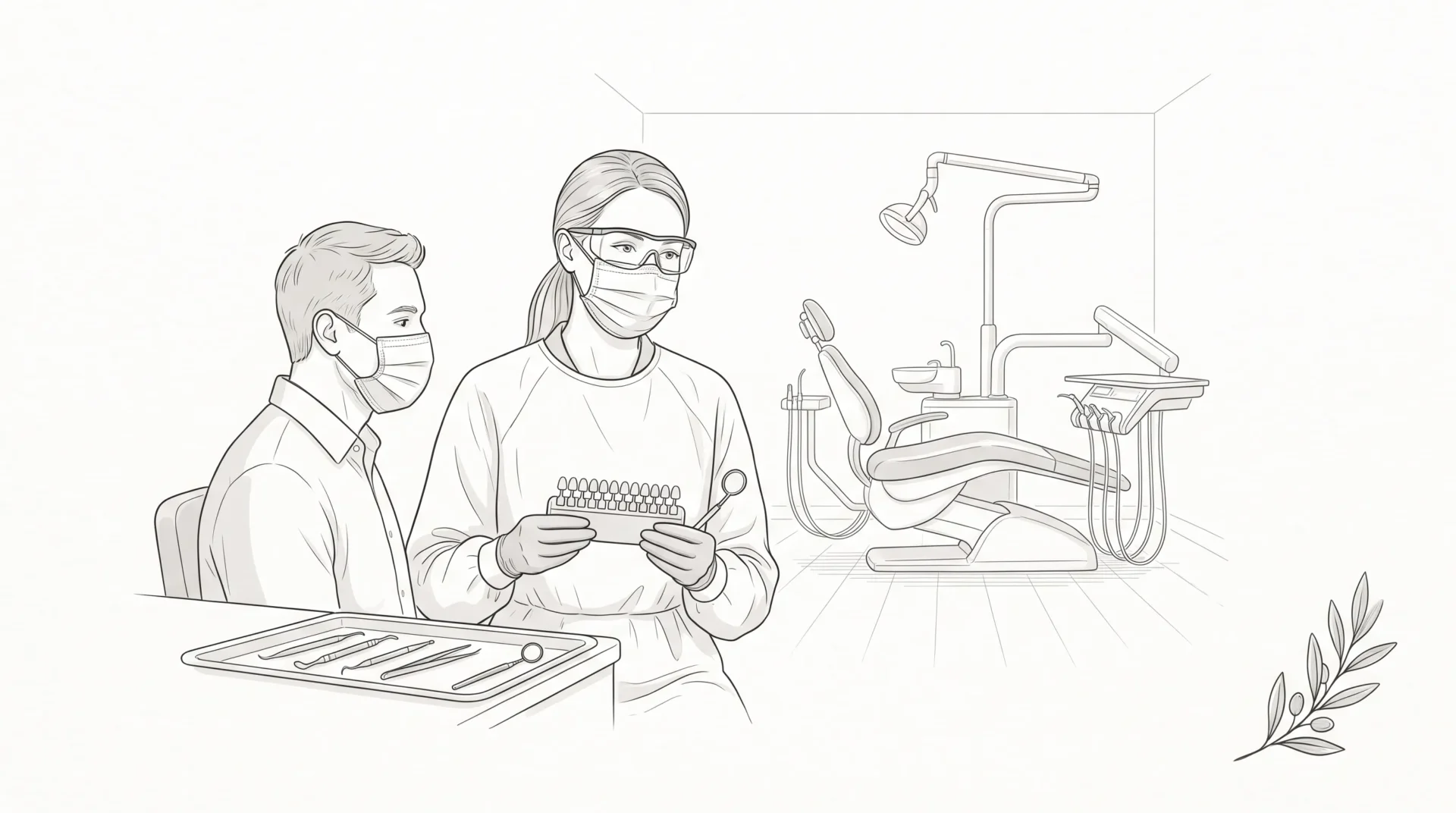
A useful consultation starts with your concern, not a predetermined treatment. Your dentist may ask what changes you have noticed, whether you have sensitivity, what dental work you already have and what you hope whitening might achieve.
The examination helps distinguish surface staining from changes within a tooth. Your medical history, current oral health and previous reactions to whitening products also inform the discussion.
Before deciding, you should understand the proposed method, likely limitations, possible side effects, expected costs and alternatives, including no treatment. Photographs or shade records may help document the starting point without guaranteeing an outcome.
Our guide to what happens at a teeth whitening consultation explains the assessment in more detail. For cosmetic dentistry, teeth whitening suitability is a clinical decision, not something that can be established from tooth colour alone.
Risks, limitations and ongoing care
Tooth sensitivity and gum irritation are recognised side effects of whitening. They are often temporary, but their severity and duration vary. Poorly fitting trays, excess gel or using a product more frequently than directed can increase problems.
If you develop significant pain, ongoing sensitivity or irritated gums, stop using the product and contact your dental practitioner for advice. Do not increase the treatment time to try to accelerate a result.
Healthdirect’s teeth whitening guidance provides an independent overview of treatment and potential risks. Whitening is generally deferred during pregnancy or breastfeeding because safety information is limited. Children and teenagers require age-appropriate dental advice rather than unsupervised use of adult whitening products.
Whitening is not permanent. Natural ageing, tobacco and staining foods or drinks can affect tooth colour over time. Maintenance needs vary, and repeated treatment should be discussed with your dentist rather than carried out automatically.
Brushing twice daily with fluoride toothpaste, cleaning between teeth and attending dental reviews at an individually recommended interval remain important. Whitening does not replace these habits or treat decay and gum disease. Avoid abrasive home remedies or household chemicals, which can damage teeth or irritate oral tissues.
Understanding costs without committing to extra treatment
For cosmetic dentistry, teeth whitening costs depend on the method, supervision, materials and individual treatment needs. Ask for an itemised estimate that distinguishes the optional cosmetic treatment from any examination, cleaning or other care being recommended.
If visible restorations may look different after whitening, ask whether any possible future costs have been considered. Replacement is not an automatic requirement, and the benefits and disadvantages should be discussed separately.
The guide to professional teeth whitening costs in Melbourne explains the main factors affecting fees. Comparing written plans is more useful than comparing advertised whitening prices alone, particularly when the inclusions differ.
Frequently asked questions
Is whitening necessary before veneers or bonding? No. Whitening may be discussed if you want lighter natural teeth around new restorations, but it is not a compulsory step. Your dentist can explain whether it would affect shade selection and whether it fits your preferences.
Can I whiten my teeth if I already have fillings? Sometimes, depending on their condition and location and your overall oral health. Fillings will not reliably lighten with natural teeth, so visible restorations need to be considered before treatment. Their presence does not automatically rule whitening in or out.
Does a professional clean whiten teeth? Cleaning can remove some surface stains and make teeth look cleaner. It does not bleach their underlying colour. After cleaning, you may decide that no further cosmetic treatment is needed.
Can whitening damage teeth? Whitening has potential risks, including sensitivity and irritation. Incorrect products or misuse can cause harm. A dental assessment, suitable materials and following the prescribed instructions help manage risks, but do not make treatment risk-free.
Discuss your options at Metro Dental
Metro Dental provides teeth whitening and other general and cosmetic dental services on Swanston Street in Melbourne CBD. If you are considering a colour change, you can arrange an assessment to discuss suitability, potential benefits, risks and alternatives.
You do not need to arrive knowing which treatment you want. Explaining what concerns you, and what you would prefer to leave unchanged, is a useful starting point.
Disclaimer
The information provided on this website is for general informational and educational purposes only. It is not intended to replace professional dental advice, diagnosis or treatment. Dental needs and treatment outcomes vary between individuals. Always seek advice from a qualified dental practitioner regarding your specific circumstances before making decisions about your oral health or treatment. A consultation and clinical assessment are required to determine which treatment options may be suitable for you. All dental procedures carry potential risks and benefits, which will be discussed with you before treatment.