
What Happens at a Teeth Whitening Consultation?
7 September 2026 | Cosmetic Dentistry, General Dentistry, Teeth Whitening
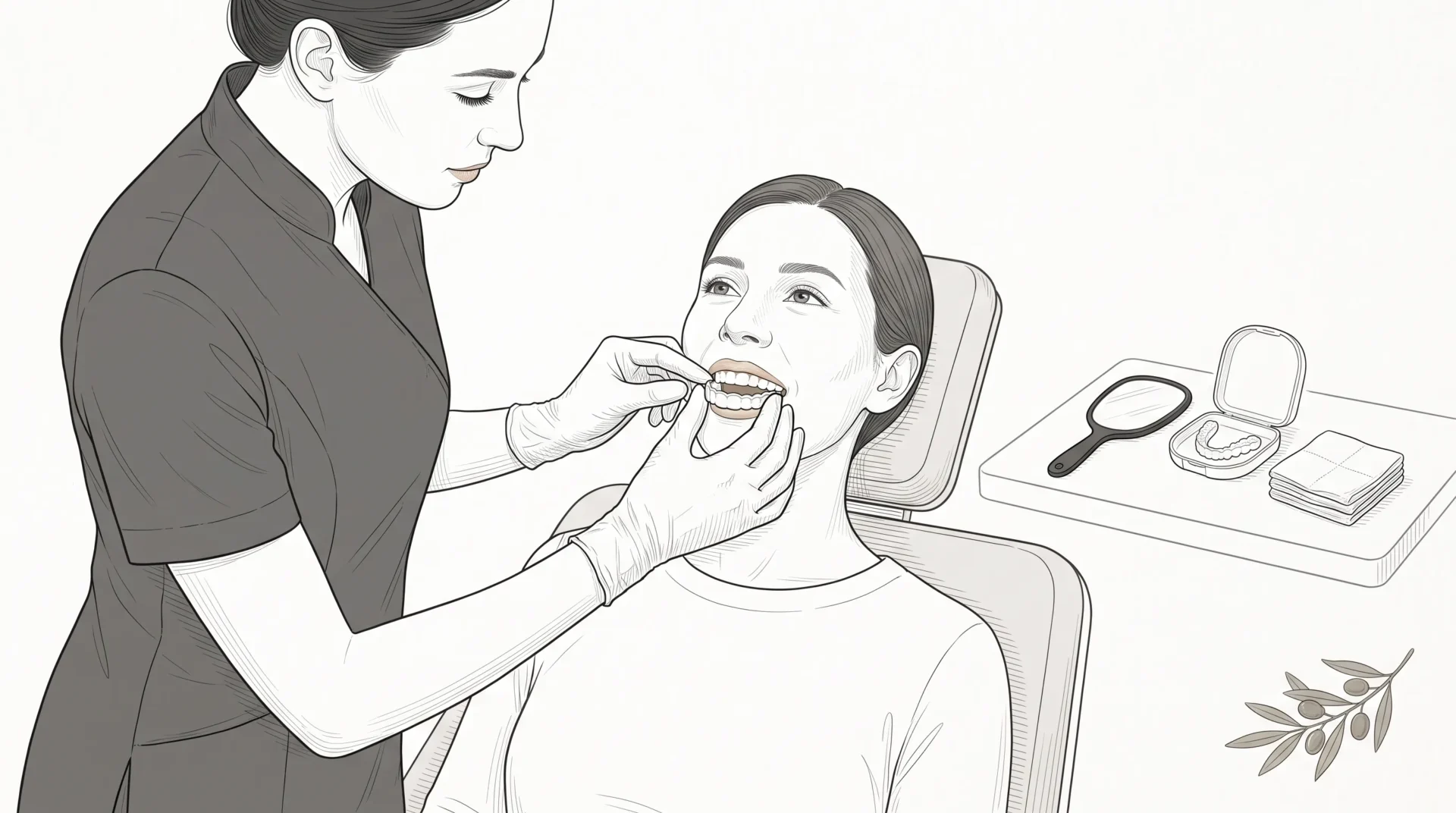
If you have typed “teeth whitening dentist Melbourne” into Google, you are probably looking for more than a brighter shade. You may want to know whether whitening is suitable for your teeth, what the appointment involves and whether it is worth doing before an event, photo session or important date.
A teeth whitening consultation is usually a planning and assessment appointment. Your dentist checks your mouth, discusses your goals, explains the types of whitening that may be available and outlines possible risks, limitations and alternatives. Whitening may be a cosmetic treatment, but your oral health still matters before any whitening product is recommended.
Why a consultation comes before whitening
A consultation helps your dentist work out whether whitening may be appropriate for your teeth at this time. Tooth colour can be affected by surface stains, natural enamel colour, age-related changes, old fillings, dental trauma, medications, enamel wear and previous dental work. These causes do not all respond to whitening in the same way.
A dentist will also look for issues that could make whitening uncomfortable or less predictable, such as decay, gum inflammation, exposed root surfaces, cracks, leaking fillings or significant tooth sensitivity. If these are present, your dentist may suggest treating them first or considering a different cosmetic option.
This is not about making whitening complicated. It is about making sure you understand what is being whitened, what is unlikely to change and what may need attention before starting.
What usually happens during the appointment?
The exact process can vary depending on your oral health and the whitening option being discussed, but a consultation often includes the following steps.
| Part of the consultation | What it may involve | Why it matters |
|---|---|---|
| Dental and medical history | Questions about sensitivity, dental treatment, medications, pregnancy, allergies and oral health concerns | Helps your dentist consider suitability and precautions |
| Oral examination | Checking teeth, gums, fillings, crowns, veneers and signs of decay or wear | Whitening products are not recommended for every situation |
| Shade discussion | Looking at your current tooth shade and the type of change you are hoping for | Helps set realistic expectations before treatment |
| Stain assessment | Identifying whether discolouration is mostly surface staining, internal staining or related to restorations | Different causes of colour change may respond differently |
| Treatment discussion | Explaining in-chair whitening, take-home whitening or other options available at the clinic | Allows you to compare convenience, timing, risks and likely limitations |
| Consent and aftercare advice | Discussion of sensitivity, gum irritation, maintenance and alternatives | Supports informed decision-making |
Your dentist may also recommend X-rays if there are symptoms, old dental work or concerns that cannot be assessed properly by sight alone. X-rays are not automatically needed for every whitening consultation.
Your dentist will check your teeth and gums first
Whitening products are designed for natural tooth enamel. They do not treat dental disease and they do not lighten every material in the mouth. This is why the oral examination is a central part of the visit.
Your dentist may check for:
- Tooth decay or weakened enamel
- Gum disease or bleeding gums
- Cracks, chips or exposed root surfaces
- Existing fillings, crowns, veneers or bonding
- Tooth sensitivity or areas of recession
- Plaque, tartar or heavy staining
If plaque and tartar are present, a clean may be recommended before whitening. This can help your dentist assess the natural tooth colour more accurately and remove surface deposits that may affect the way teeth look. If you are unsure what a cleaning visit involves, Metro Dental has a separate guide on what happens during a professional teeth cleaning.
Discussing your whitening goals without unrealistic promises
Many patients come in with a shade in mind, but whitening does not work like choosing paint from a chart. Natural teeth have layers, translucency and variations in colour from the gumline to the biting edge. Some teeth lighten more noticeably than others, and results can vary between patients.
During the consultation, your dentist may ask what has prompted your interest in whitening. For example, you may have noticed staining from coffee, tea or red wine, or you may be planning ahead for a wedding, graduation or professional photos. This helps your dentist talk through timing, expectations and whether whitening alone is likely to address what concerns you.
The Australian Dental Association’s patient information on teeth whitening notes that whitening may cause tooth sensitivity and that restorations such as crowns, veneers and fillings will not change colour with whitening. Your dentist can explain how this applies to your own mouth.
Questions to ask a teeth whitening dentist Melbourne patients often raise
If you are comparing teeth whitening options in Melbourne CBD, it can help to ask practical questions during the consultation rather than focusing only on the final shade.
Useful questions include:
- Am I suitable for whitening at the moment?
- Do I need any dental treatment before whitening?
- Are my stains likely to respond to whitening?
- Will my fillings, crowns, veneers or bonding look different after whitening?
- What type of sensitivity or gum irritation could occur?
- How long should I allow before an event?
- What alternatives should I consider if whitening is not suitable?
- What are the expected fees and payment options?
These questions are especially helpful if you work or study in the CBD and want to plan appointments around your schedule. People travelling from nearby areas such as Southbank, Docklands, Carlton, East Melbourne or North Melbourne may also find it useful to ask how many visits may be involved.
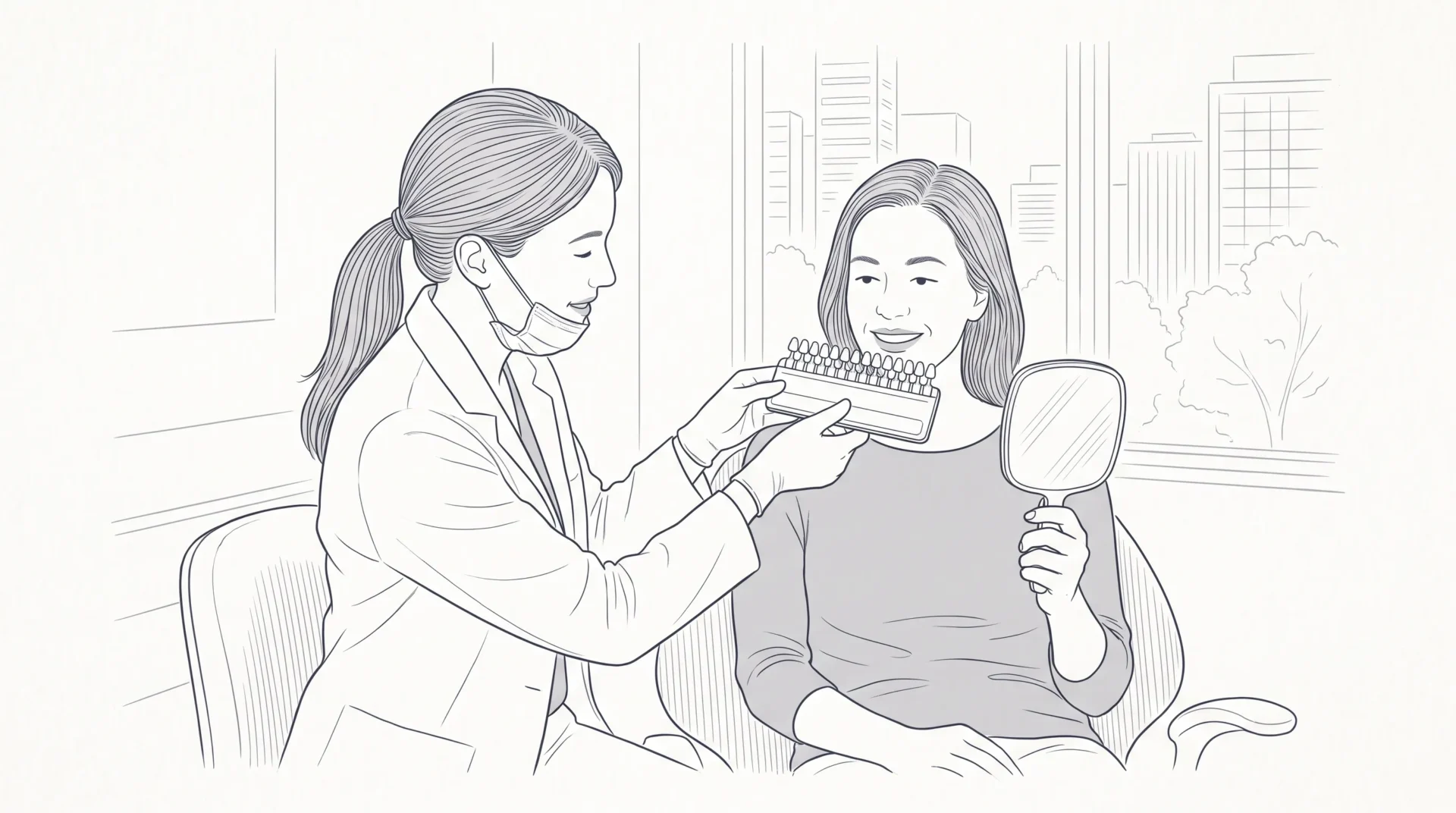
In-chair whitening, take-home whitening and other options
A consultation may include a discussion of different whitening approaches. The options available will depend on the clinic, your oral health and your preferences.
In-chair whitening is performed in the dental clinic. It may suit patients who prefer a clinic-based appointment and professional supervision during application. Some people still experience sensitivity afterwards, and not everyone is suitable.
Take-home whitening usually involves custom trays and whitening gel supplied by the dentist. This approach is used over a period of time at home according to your dentist’s instructions. It requires consistency and careful use to reduce the risk of gum irritation or uneven application.
Over-the-counter whitening products are widely available, but they vary in design, strength and suitability. They may not fit the teeth closely and may be less appropriate for people with sensitivity, gum problems, exposed roots or dental restorations in visible areas.
For some concerns, whitening may not be the most suitable option. If tooth colour is affected by old restorations, enamel defects, trauma or deeper internal discolouration, your dentist may discuss alternatives such as replacing visible restorations, composite bonding or veneers. These options have their own benefits, risks, costs and maintenance needs, so they should be considered carefully. For a broader overview of how whitening sits alongside other treatments, you can read Metro Dental’s guide to general, cosmetic and orthodontic dental services.
Will you get whitening on the same day?
Sometimes whitening can be planned after the consultation, but it is not always provided on the same day. Your dentist may first recommend a clean, treatment for decay or gum inflammation, review of sensitivity, or time to consider the options and fees.
If take-home whitening is chosen, impressions or scans may be needed to make custom trays. If in-chair whitening is chosen, a separate appointment may be arranged so there is enough time for treatment, consent and aftercare discussion.
It is reasonable to ask about timing at the consultation. If you are planning whitening before a wedding or formal event, allow enough time for assessment, any recommended dental care and possible sensitivity afterwards. If your plans include dress fittings, photography sessions or a bridalwear appointment, it may be easier to plan whitening earlier rather than leaving it to the final days.
How to prepare for a whitening consultation
You do not need to do anything complicated before the appointment. Brush and floss as usual, bring details of any current medications and let your dentist know if you have had whitening before.
It is also helpful to think about what you want to change. Are you concerned about yellowing, patchy colour, staining near the gumline or the colour difference between natural teeth and dental work? If you have sensitivity, note when it happens, such as with cold drinks, brushing or sweet foods.
If dental visits make you nervous, mention this when booking or at the start of the appointment. A good consultation should include clear explanations and time for questions. Metro Dental has a practical article on how to prepare for your dental appointment if you would like a simple checklist before visiting.
Possible risks and limitations to understand
Teeth whitening is common, but it still needs a balanced discussion. Possible side effects can include temporary tooth sensitivity, gum irritation, uneven colour or discomfort if product contacts soft tissues. These effects vary between patients.
Whitening also has limitations. It will not lighten crowns, veneers, implants, dentures or tooth-coloured fillings. If these restorations are visible when you smile, they may look darker compared with whitened natural teeth. Your dentist can explain whether replacement or adjustment may be considered after whitening, but this is not always needed or appropriate.
Whitening is also not permanent. Tooth colour can change again with time due to diet, ageing, smoking, oral hygiene habits and individual enamel characteristics. Maintenance advice may include regular dental check-ups, professional cleaning when appropriate and reducing frequent exposure to strongly staining drinks. Your dentist can tailor advice to your circumstances.
Frequently Asked Questions
How long does a teeth whitening consultation take? The time can vary depending on your oral health, questions and whether records are needed. Many consultations include a dental history, examination, shade discussion and explanation of options. The clinic can give you a clearer estimate when you book.
Is everyone suitable for teeth whitening? No. Suitability depends on factors such as oral health, tooth sensitivity, gum condition, existing restorations, enamel quality, medical history and the cause of discolouration. A dentist can assess whether whitening may be appropriate or whether another option should be considered.
Does whitening damage teeth? Whitening should be discussed and used as directed by a dental professional. Potential side effects include sensitivity and gum irritation. Your dentist can explain the risks, how they may be reduced and whether whitening is suitable for your teeth.
Will whitening change the colour of fillings or crowns? No. Whitening products are intended for natural tooth structure and do not lighten fillings, crowns, veneers, dentures or implants. This is an important part of treatment planning, especially for front teeth.
Should I have my teeth cleaned before whitening? Your dentist may recommend cleaning first if plaque, tartar or surface staining is present. A clean can also allow a clearer assessment of your natural tooth shade before deciding on whitening.
Can I whiten my teeth before Invisalign or other orthodontic treatment? It depends on your treatment plan. Some patients are advised to wait until after orthodontic treatment so the tooth surfaces are easier to whiten evenly. Your dentist can discuss timing based on your teeth and goals.
Considering teeth whitening in Melbourne CBD?
A teeth whitening consultation is a useful first step if you want to understand your options without committing to treatment on the spot. It gives your dentist the chance to assess your oral health, explain potential benefits and risks, and discuss whether whitening may suit your individual circumstances.
If you would like to talk through teeth whitening with a CBD-based dental team, you can book an appointment with Metro Dental. Your dentist can examine your teeth and explain the options that may be appropriate for you.
Disclaimer
The information provided on this website is for general informational and educational purposes only. It is not intended to replace professional dental advice, diagnosis or treatment. Dental needs and treatment outcomes vary between individuals. Always seek advice from a qualified dental practitioner regarding your specific circumstances before making decisions about your oral health or treatment. A consultation and clinical assessment are required to determine which treatment options may be suitable for you. All dental procedures carry potential risks and benefits, which will be discussed with you before treatment.