
What to Expect From In-Chair Teeth Whitening
7 September 2026 | Cosmetic Dentistry, General Dentistry, Teeth Whitening
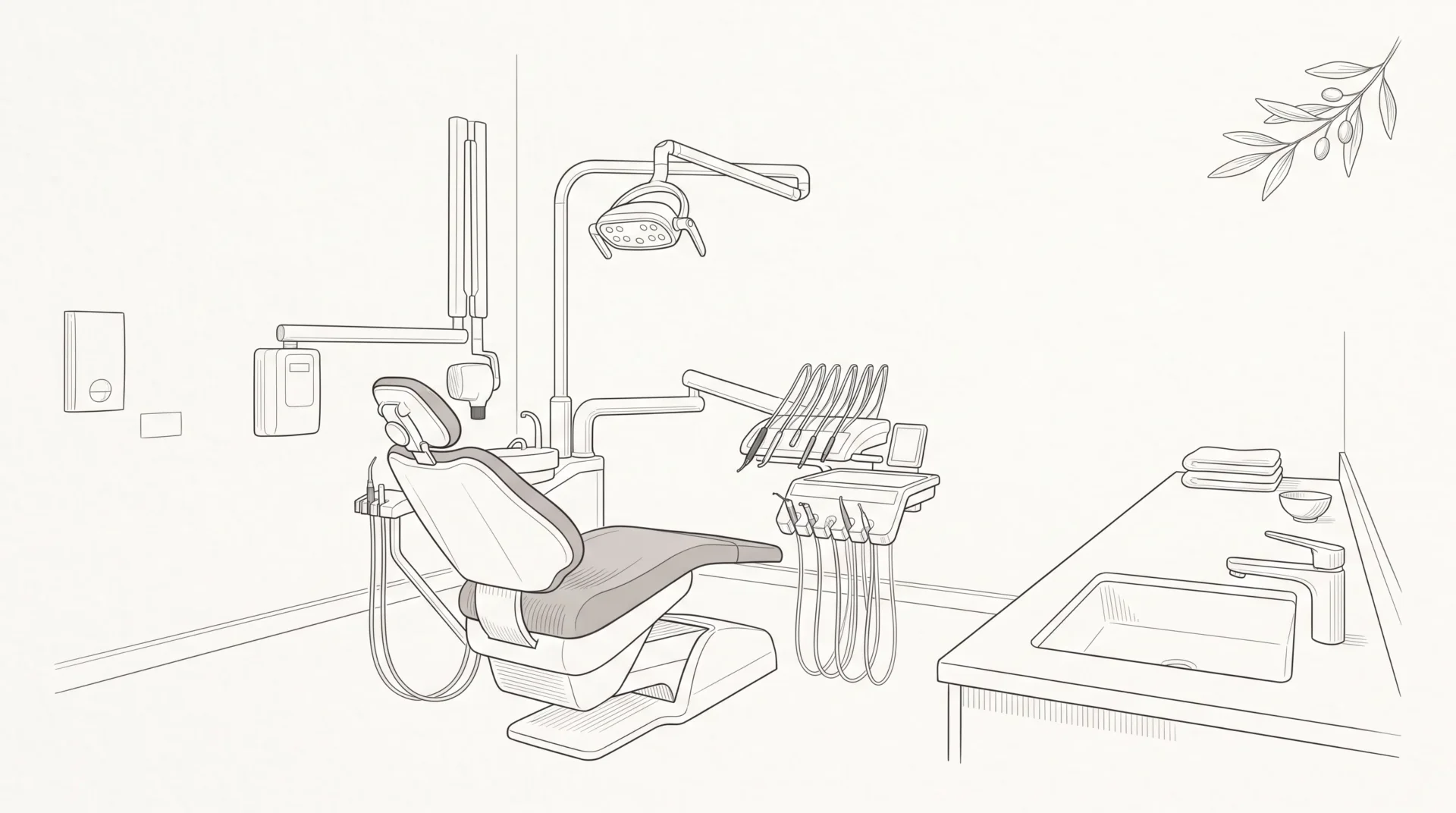
In-chair teeth whitening is a dentist-supervised cosmetic treatment that uses a whitening gel to lighten certain stains in natural tooth enamel. It usually involves an oral health check, protection for your gums and lips, controlled gel application and aftercare advice.
It is not suitable for every person or every type of discolouration. A dentist needs to assess your teeth, gums, fillings, crowns, veneers, sensitivity and treatment goals before recommending whether whitening may be appropriate.
What in-chair teeth whitening is designed to do
In-chair whitening is intended to lighten the colour of natural teeth by using a peroxide-based whitening gel. The gel helps break down stain molecules within the tooth structure, which may make the teeth appear lighter.
This is different from a scale and polish. A professional clean removes plaque, tartar and some surface stains, but it does not bleach the natural tooth colour. If your main concern is staining from coffee, tea or smoking, your dentist may first discuss whether a clean is a sensible starting point. You can read more about this in Metro Dental’s guide to what happens during a professional teeth cleaning.
Whitening also has limits. It generally works on natural tooth enamel, not on restorations such as crowns, veneers, fillings or bonding. If you have restorations on visible front teeth, your dentist can explain how whitening may affect the overall colour balance of your smile and whether any additional planning is needed.
Why your dentist checks your teeth before whitening
Before in-chair whitening, your dentist will usually examine your teeth and gums. This is not just a formality. Whitening gel may irritate areas of decay, cracks, exposed root surfaces or inflamed gums. If there are untreated dental issues, whitening may need to wait until your oral health is stable.
Your dentist may check for:
- Tooth decay, cracks or leaking fillings
- Gum inflammation, recession or periodontal concerns
- Existing crowns, veneers, fillings or bonding on visible teeth
- Tooth sensitivity or enamel wear
- Internal discolouration from trauma, medication or previous dental treatment
- Whether your expectations match what whitening can reasonably achieve
This assessment helps your dentist explain the potential benefits, risks and alternatives. It also gives you a chance to ask questions before consenting to treatment.
What happens during an in-chair whitening appointment
The exact process can vary depending on the whitening system used and your individual circumstances. In general, an in-chair appointment may include the following steps.
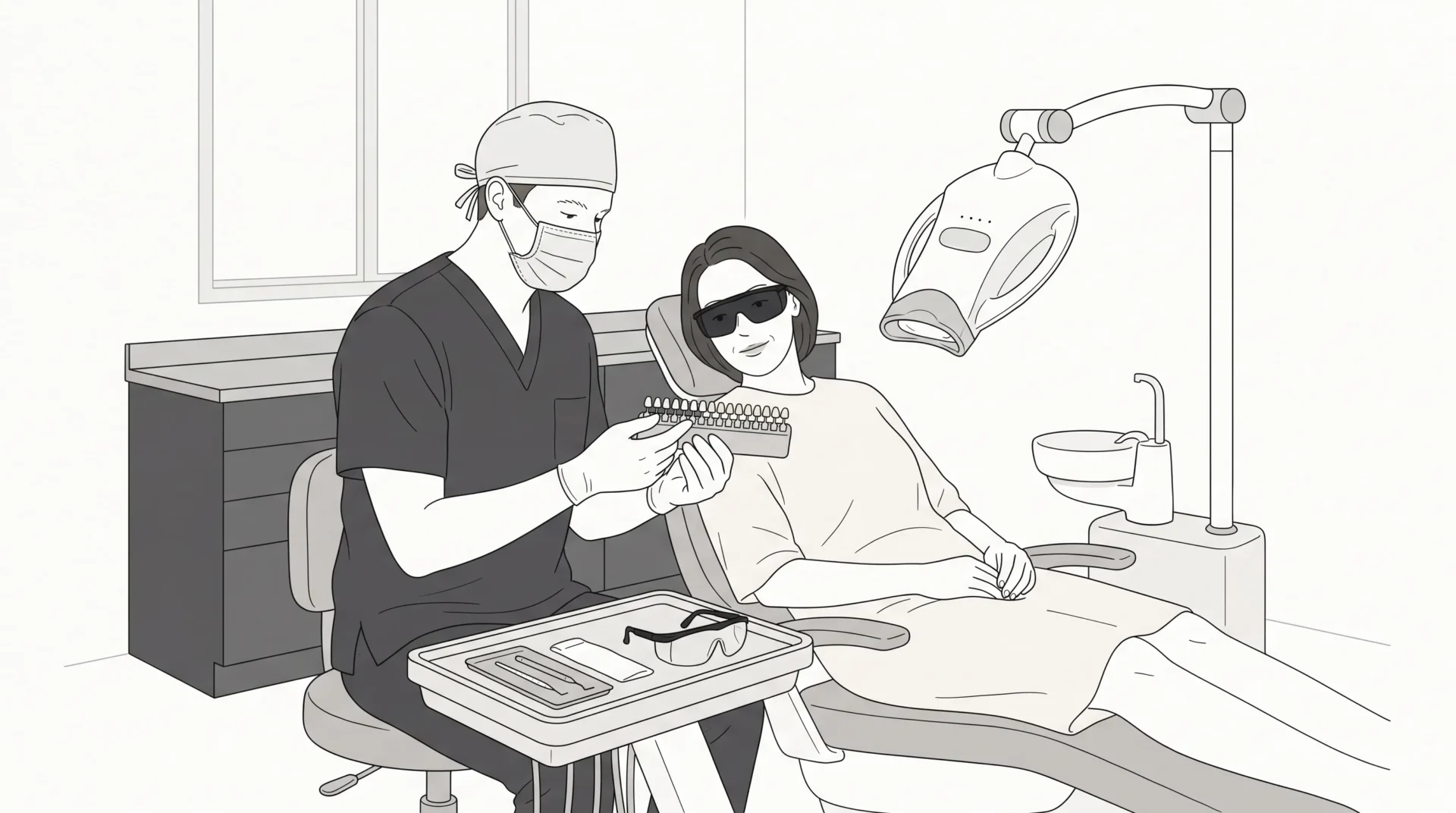
- Discussion and shade assessment: Your dentist will talk with you about your concerns, assess your current tooth shade and explain what whitening may or may not change.
- Oral health check: Your teeth and gums are checked to confirm whether whitening appears suitable at that visit.
- Preparation and protection: Your lips, cheeks and gums are protected so the whitening gel can be applied to the teeth as carefully as possible.
- Whitening gel application: The gel is placed on the visible surfaces of the teeth. Some systems may use a light, while others rely on the gel alone.
- Timed treatment cycles: The gel may be left in place for set periods, then removed and reapplied depending on the system and your response.
- Rinse and review: At the end, your dentist will remove the gel and barriers, rinse the mouth and review the tooth shade.
- Aftercare advice: You will be told what to expect after treatment and how to manage temporary sensitivity if it occurs.
Many in-chair whitening appointments are planned for around one to two hours, although timing varies. If you are booking during a workday in Melbourne CBD, ask how long to allow so you are not rushed.
What you may feel during and after treatment
Some people feel little more than having their mouth held open for a period of time. Others notice sensitivity during or after whitening. This can feel like brief zaps, tingling or aching in the teeth. Gum irritation can also occur if whitening gel contacts the soft tissues.
These effects are often temporary, but that does not mean they should be ignored. Tell your dentist if you already have sensitive teeth, exposed roots, tooth wear or a history of discomfort after whitening products. Your dentist may suggest a different approach, a desensitising product or postponing whitening until other dental concerns are addressed.
If discomfort is strong, worsening or does not settle as advised, contact your dental clinic for guidance.
Possible benefits, limitations and risks
In-chair whitening may be considered when a patient wants to lighten natural teeth under professional supervision. It can be useful for some forms of staining, but it is not a universal answer to all colour concerns.
| Factor | What it may mean for whitening |
|---|---|
| Surface staining | A professional clean may be discussed before whitening, especially if stains are sitting on plaque or tartar. |
| Natural enamel shade | Whitening may lighten natural enamel, though the degree of change varies between patients. |
| Crowns, veneers and fillings | These materials do not whiten like natural teeth, so colour mismatch may need to be discussed. |
| Deep or internal discolouration | Stains from trauma, some medications or developmental changes may respond differently and may need other options. |
| Sensitive teeth | Whitening may increase sensitivity temporarily and may not be suitable without further assessment. |
| Gum health | Inflamed or receded gums may need attention before whitening is considered. |
Other possible risks include uneven colour change, temporary gum irritation and disappointment if the outcome does not match expectations. Your dentist should explain these possibilities and give you time to make an informed decision.
In-chair whitening compared with take-home whitening
In-chair whitening and dentist-supplied take-home whitening trays are both professional options, but they suit different preferences and clinical situations.
| Option | How it generally works | Points to consider |
|---|---|---|
| In-chair whitening | Whitening gel is applied at the clinic under dental supervision. | May suit patients who prefer a clinic-based appointment, but sensitivity and individual results still vary. |
| Dentist-supplied take-home whitening | Custom trays and whitening gel are used at home according to dentist instructions. | May allow more gradual whitening, but requires consistent use and careful adherence to instructions. |
| Over-the-counter whitening products | Products are purchased without a personalised dental assessment. | May be less suitable for people with dental disease, sensitivity, restorations or uncertain causes of discolouration. |
A dentist can explain which approach may be suitable based on your mouth, not just the shade you want to achieve.
Planning whitening before an event or travel
Many people consider whitening before a wedding, graduation, professional photos, a conference or a holiday. It is sensible to plan ahead rather than booking at the last moment. You may need a check-up or clean first, and temporary sensitivity can occur after whitening.
If you are planning a trip where you expect to take plenty of photos, ask your dentist how far in advance to schedule an assessment. This gives you time to discuss suitability, manage any dental issues and understand aftercare before you travel.
How to prepare for an in-chair whitening visit
You do not need to do anything complicated before your appointment, but a little preparation can make the visit more useful.
Bring a list of any dental concerns, such as sensitivity, bleeding gums, tooth grinding or recent dental work. Tell your dentist if you are pregnant, breastfeeding, taking medication or have medical conditions that may affect dental care. Cosmetic whitening may be postponed in some circumstances, depending on your individual situation and current clinical advice.
If you are anxious about dental treatment or have had a difficult experience in the past, mention this when booking or at the start of the visit. Metro Dental has a separate guide on how to prepare for your dental appointment that may help you organise your questions.
After whitening, your dentist may recommend avoiding strongly coloured foods and drinks for a short period, depending on the system used. Common examples include coffee, tea, red wine, dark sauces and highly pigmented foods. Follow the instructions you are given, as advice can vary.
If you searched “dentist that do teeth whitening”, what should you ask?
Choosing a whitening appointment should not only be about finding the nearest available time. It is reasonable to ask practical questions before you proceed.
Useful questions include:
- Is my tooth colour caused by stains that whitening can realistically address?
- Do I need a check-up or clean before whitening?
- How might whitening affect my fillings, crowns, veneers or bonding?
- What sensitivity or gum irritation could occur?
- What alternatives should I consider if whitening is unlikely to suit me?
- What will the appointment involve and how long should I allow?
- What costs and payment options apply to my circumstances?
If discolouration is localised, related to tooth shape or linked to existing restorations, whitening may not be the only option discussed. For example, your dentist may explain whether cosmetic bonding is relevant in selected cases. Metro Dental’s article on whether dental bonding can be completed in one appointment explains that treatment in more detail.
Considering in-chair teeth whitening in Melbourne CBD
If you are in Melbourne CBD, Southbank, Carlton, Docklands, East Melbourne or North Melbourne and are considering in-chair teeth whitening, an assessment can help clarify whether it may be suitable. Metro Dental provides general and cosmetic dental care from its Swanston Street clinic, including teeth whitening.
Your dentist can assess your oral health, explain the likely limitations for your teeth and discuss alternatives if whitening is not appropriate. Treatment outcomes and experiences vary between patients, so the aim of the consultation is to give you clear information before you decide.
Frequently asked questions
Is in-chair teeth whitening safe? In-chair whitening may be suitable for some patients when provided after a dental assessment and with appropriate gum protection. It can still cause temporary sensitivity or gum irritation, and it may not be appropriate if you have untreated decay, gum disease, cracks, significant sensitivity or certain restorations.
How white will my teeth become? The amount of whitening varies between patients. It depends on your natural tooth colour, the type of staining, enamel characteristics, previous dental work and lifestyle factors. A dentist cannot guarantee a specific shade.
Does whitening work on crowns, veneers or fillings? No, whitening gels are designed to work on natural tooth structure. Crowns, veneers, fillings and bonding do not lighten in the same way, which can create a colour difference after whitening.
Do I need a professional clean before whitening? Some patients may benefit from a clean before whitening, especially if plaque, tartar or surface staining is present. Your dentist can advise whether this is needed after examining your teeth and gums.
Can I have whitening if my teeth are sensitive? Possibly, but sensitivity needs to be assessed first. Whitening may worsen sensitivity temporarily. Your dentist may suggest treating the cause of sensitivity first, using a different whitening approach or avoiding whitening if the risks outweigh the likely benefits.
How long do whitening results last? This varies. Tooth colour can be affected by diet, smoking, oral hygiene, ageing and the original cause of staining. Your dentist can discuss maintenance options if whitening is suitable for you.
Arrange an assessment at Metro Dental
A dental examination can help determine whether in-chair teeth whitening may be appropriate for your teeth and gums. To discuss your concerns, you can contact Metro Dental in Melbourne CBD and arrange an appointment with the dental team.
Disclaimer
The information provided on this website is for general informational and educational purposes only. It is not intended to replace professional dental advice, diagnosis or treatment. Dental needs and treatment outcomes vary between individuals. Always seek advice from a qualified dental practitioner regarding your specific circumstances before making decisions about your oral health or treatment. A consultation and clinical assessment are required to determine which treatment options may be suitable for you. All dental procedures carry potential risks and benefits, which will be discussed with you before treatment.