
When a Tooth Extraction May Be Recommended
28 August 2026 | General Dentistry, Orthodontics, Tooth Decay
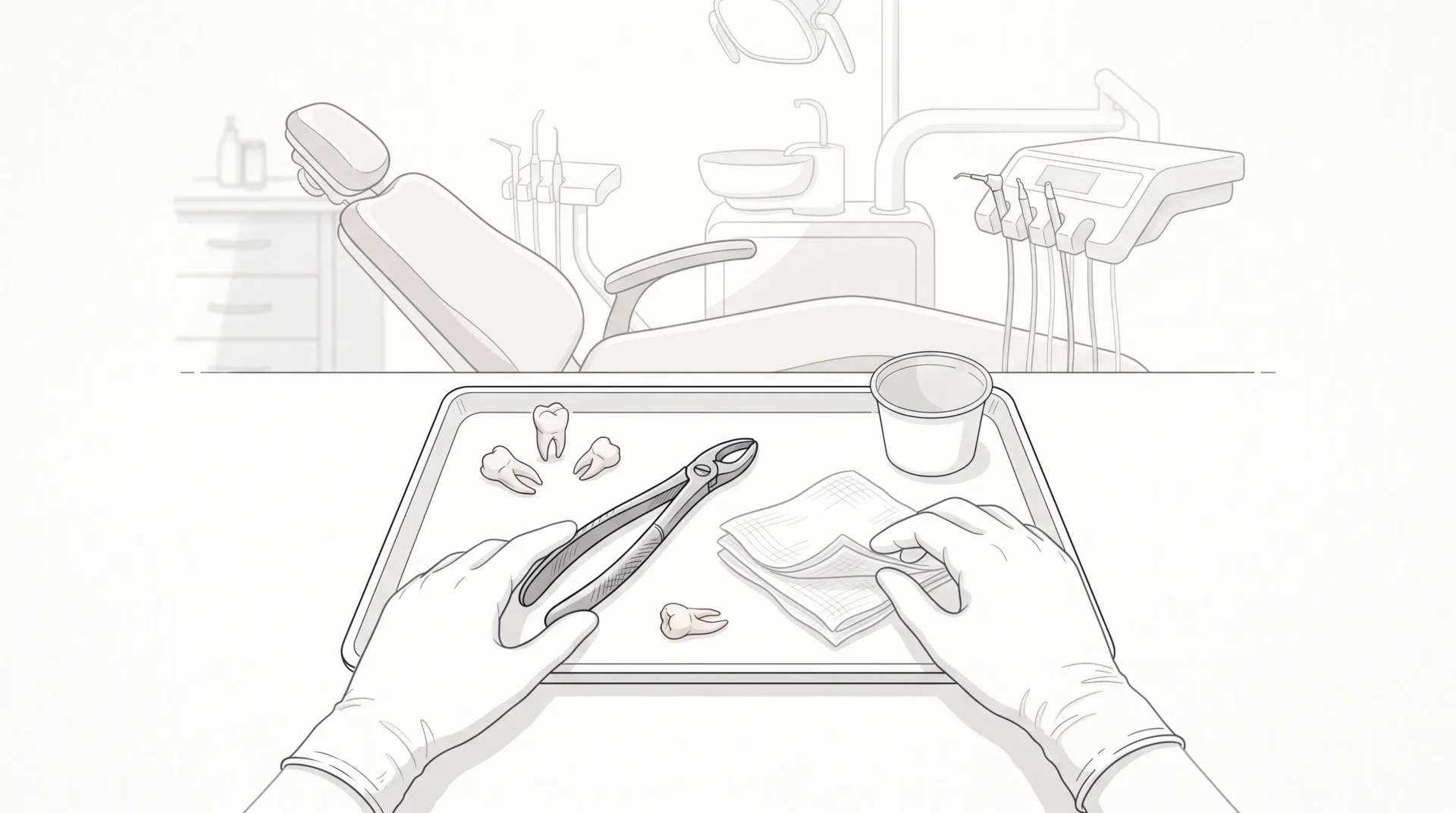
If you have searched for a dentist near me that does extractions, you may be dealing with tooth pain, a broken tooth, swelling or a dental problem that has not settled on its own. A tooth extraction may be recommended when a tooth cannot be predictably repaired, or when keeping it may affect your gums, nearby teeth or overall oral health.
In many cases, dentists aim to keep natural teeth where it is reasonable and appropriate. Extraction is not the first answer for every sore or damaged tooth. It is one possible treatment option after your dentist has examined your mouth, reviewed any relevant X-rays and talked through the benefits, risks and alternatives for your situation.
Looking for a dentist near me that does extractions? Start with an assessment
A tooth that feels painful or loose does not always need to be removed. The same symptom can have several causes. For example, pain when biting might come from a cracked filling, a dental abscess, gum inflammation, a cracked tooth or an issue with the bite.
That is why the first step is usually a dental assessment rather than deciding on extraction straight away. At an appointment, your dentist may ask about when the symptoms started, whether the pain is constant or comes and goes, your medical history, allergies, medications and any previous treatment on the tooth.
They may also check the tooth, surrounding gums, bite and jaw movement. Dental X-rays may be recommended when they are needed to see the tooth roots, bone levels, decay under an old filling or the position of a wisdom tooth. If you feel unsure about what to bring or how to describe your symptoms, Metro Dental has a practical guide on how to prepare for your dental appointment.
What is a tooth extraction?
A tooth extraction is the removal of a tooth from its socket in the jaw. The socket is the space in the bone and gum where the tooth sits.
Some extractions are relatively straightforward. Others are more complex, especially if the tooth is broken below the gum, has curved roots, is impacted or sits close to important nerves or the sinus. An impacted tooth is a tooth that has not fully come through the gum or is blocked from coming through in a normal position.
Depending on the tooth, your health and the complexity of the procedure, your dentist may discuss treatment in the clinic or referral to another dental practitioner such as an oral surgeon. This is a normal part of safe treatment planning when extra support or surgical care may be appropriate.
Common reasons a tooth extraction may be recommended
A dentist may recommend extraction only after considering whether the tooth can be restored and whether keeping it is in your best interests. The reasons below are common, but they are not a substitute for personalised advice.
| Possible reason | Why extraction may be discussed | Other options that may be considered |
|---|---|---|
| Severe decay | The tooth may not have enough healthy structure left to support a filling or crown | Filling, crown or root canal if the tooth is restorable |
| Advanced gum disease | Bone and gum support around the tooth may be significantly reduced | Periodontal treatment, cleaning below the gumline or monitoring |
| Dental infection | Infection may be linked to a tooth that cannot be repaired or treated predictably | Root canal treatment, drainage or antibiotics when clinically appropriate |
| Cracked or fractured tooth | A crack may extend below the gum or through the root | Crown, bonding or root canal depending on the crack |
| Problem wisdom tooth | A wisdom tooth may be impacted, repeatedly inflamed, decayed or affecting nearby teeth | Monitoring, cleaning advice or referral depending on the case |
| Orthodontic planning | Space may be needed for tooth alignment in selected cases | Braces, Invisalign or other orthodontic planning without extraction where suitable |
Severe tooth decay or a badly broken tooth
Tooth decay can sometimes be repaired with a filling, inlay, onlay or crown. If decay is extensive, or if a tooth has broken in a way that leaves too little healthy structure, extraction may be discussed.
This decision is not based on appearance alone. Your dentist considers whether a restoration can stay in place, whether the tooth can handle chewing forces and whether the root and surrounding bone are healthy enough to support treatment.
Infection that cannot be predictably treated another way
A dental infection can develop when bacteria reach the nerve space inside the tooth. This may happen because of decay, a deep crack, trauma or a large old restoration.
In some cases, root canal treatment may help retain the tooth. Root canal treatment involves cleaning and sealing the infected nerve space inside the tooth. In other cases, the tooth may be too damaged, the infection may not be manageable in a predictable way or the patient may choose extraction after discussing the options.
If you are trying to understand whether your symptoms may be linked to the nerve inside a tooth, the article on signs you may need a root canal explains symptoms such as lingering sensitivity, pain when biting and gum swelling.
Advanced gum disease and loose teeth
Gum disease can affect the tissues and bone that support the teeth. When support is reduced, a tooth may become mobile. Mild looseness does not always mean a tooth needs to come out, but severe mobility can make chewing difficult and may indicate that the tooth has a poor long-term outlook.
Your dentist may assess gum pocket depths, bleeding, bone levels and how the tooth functions when you bite. Where possible, gum treatment and maintenance may be considered before extraction is recommended.
Wisdom teeth that are impacted or repeatedly inflamed
Wisdom teeth are the third molars at the back of the mouth. They often appear in the late teens or early adulthood, though not everyone develops them or has problems with them.
Extraction may be discussed if a wisdom tooth is repeatedly inflamed, difficult to clean, decayed, causing food trapping or affecting a neighbouring tooth. If the tooth is close to nerves or other important structures, your dentist may recommend additional imaging or referral before deciding on treatment.
Cracks, trauma and root fractures
A tooth can crack because of a heavy bite, grinding, injury or weakening from large restorations. Some cracks are treatable, particularly when they are above the gumline. Others extend through the root or below the gum, which can make long-term repair less predictable.
After dental trauma, the aim is to assess the tooth and surrounding tissues promptly. Treatment might involve monitoring, splinting, root canal treatment, restoration or extraction depending on the injury.
Orthodontic or crowding-related reasons
In some orthodontic cases, removing teeth may be considered to create space or improve the way teeth fit together. This is not automatic. Modern orthodontic planning often considers several options before extraction, including expansion, interproximal reduction, braces or clear aligners where suitable.
If tooth position, crowding or bite concerns are part of the reason extraction has been mentioned, your dentist can explain how the decision fits into the broader treatment plan.
Alternatives that may be discussed before extraction
A good dental discussion should include whether there are reasonable alternatives to removing the tooth. The right options depend on the tooth, your oral health, cost considerations, time, maintenance needs and your personal preferences.
Alternatives may include:
- A filling or larger restoration if enough tooth structure remains
- A crown if the tooth needs coverage and has adequate support
- Root canal treatment if the nerve space is infected but the tooth is restorable
- Gum treatment if the main issue is periodontal disease
- Monitoring if symptoms are mild and there is no active infection or structural risk
- Referral for a second opinion or complex care when appropriate
Sometimes, an alternative is available but may have a guarded prognosis. A guarded prognosis means the outcome is uncertain, or the tooth may still need further treatment in the future. Your dentist should explain this clearly so you can make an informed decision.
What happens before a dentist recommends extraction?
Before recommending extraction, your dentist should explain what has been found and why removal may be appropriate. You should have the opportunity to ask questions about the diagnosis, treatment steps, expected recovery, possible risks and other options.
Your medical history matters. Some health conditions and medicines can affect bleeding, healing or infection risk. This may include blood thinning medicines, diabetes, immune system conditions or medicines that affect bone healing. Do not stop any medication unless your prescribing doctor or dentist specifically advises you to.
Your dentist may also ask about smoking or vaping, as these can affect healing after oral surgery. This conversation is not about judgement. It helps the dental team give instructions that suit your circumstances.
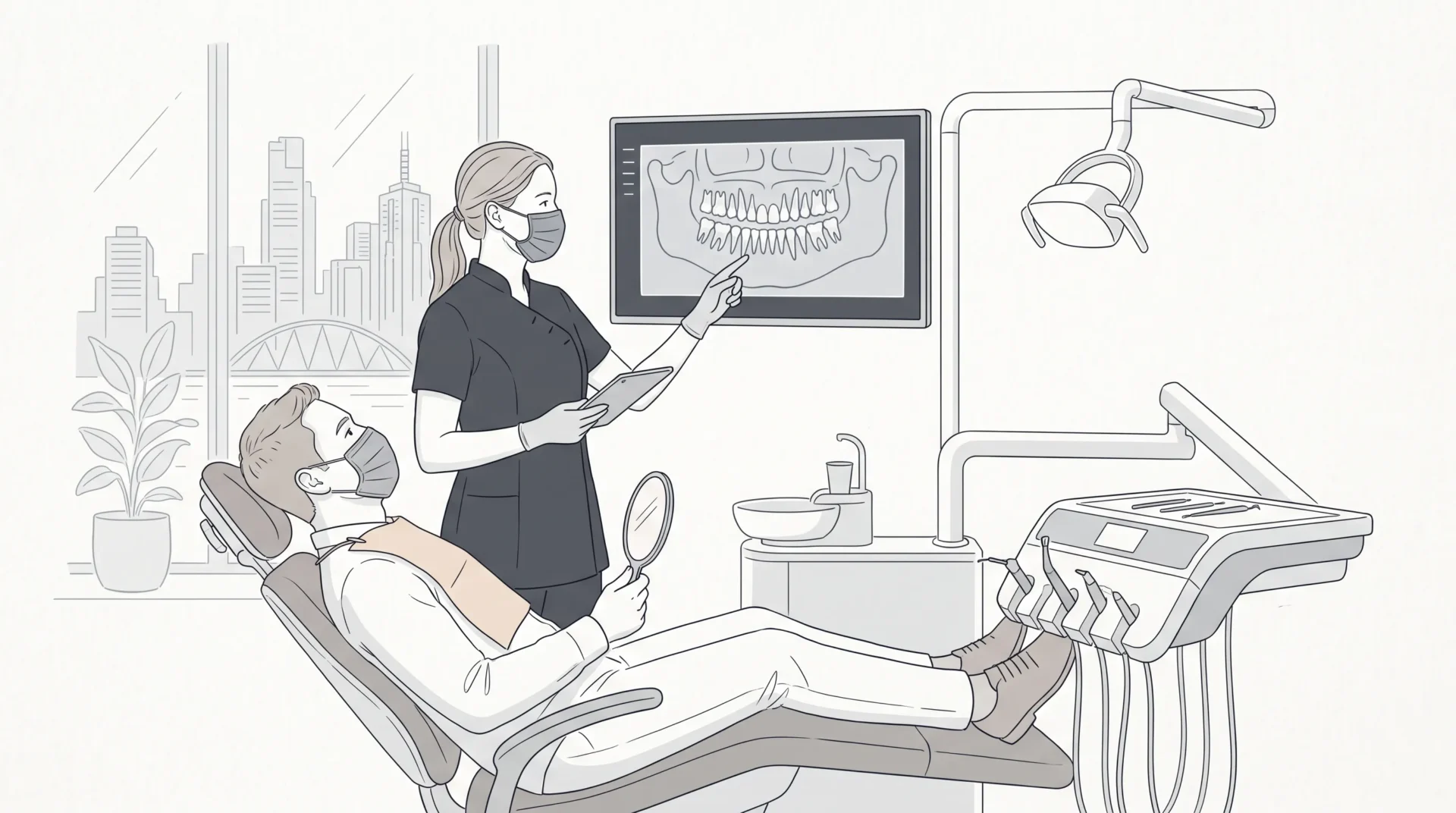
What an extraction appointment may involve
The exact process varies depending on the tooth and the type of extraction. For many extractions, local anaesthetic is used to numb the area. You may feel pressure or movement during the procedure. If you feel pain, you should tell your dentist so they can reassess the anaesthetic and your comfort.
For a simple extraction, the dentist loosens the tooth and removes it using dental instruments designed for that purpose. For a more complex extraction, a small incision in the gum may be needed, or the tooth may need to be sectioned into smaller parts. Stitches may be placed in some cases.
After the tooth is removed, the dentist will usually place gauze over the socket and ask you to bite gently to help a blood clot form. This clot is part of normal healing and needs to be protected in the first stage of recovery.
Aftercare and recovery after tooth removal
Your dentist will provide instructions based on the procedure and your health needs. General aftercare often focuses on controlling bleeding, protecting the clot, reducing irritation and keeping the mouth clean as healing begins.
You may be advised to rest for the remainder of the day, avoid vigorous rinsing for the first 24 hours, eat soft foods and avoid smoking or vaping while the socket is healing. Drinking through a straw is often discouraged early in recovery because suction can disturb the clot.
From the next day, gentle warm salt water rinses may be recommended, depending on your dentist’s instructions. Pain relief should be taken only as directed by your dentist, pharmacist or doctor, especially if you take other medicines or have medical conditions.
Recovery varies. Some people feel comfortable after a short period, while others have swelling, bruising or tenderness for longer, particularly after surgical or wisdom tooth extractions. Contact your dentist if pain worsens after initially improving, bleeding does not settle with pressure, swelling increases, pus develops or you feel generally unwell.
Possible risks and limitations to understand
All dental procedures have potential benefits and risks. Tooth extraction is no different. Your dentist can explain which risks are more relevant to your tooth and medical history.
Possible risks may include bleeding, infection, swelling, bruising, delayed healing, dry socket, damage to nearby teeth or restorations, jaw stiffness and the need for further treatment. Dry socket occurs when the blood clot in the socket is lost or breaks down too early, leaving the area irritated and often painful.
For some upper back teeth, there may be a small risk of communication with the sinus. For some lower wisdom teeth, there may be a risk of temporary or, less commonly, longer-term nerve disturbance that can affect feeling in the lip, chin or tongue. These risks depend on the tooth position and nearby anatomy, which is why X-rays or other imaging may be recommended.
Extraction also leaves a space. Depending on where the tooth is, that space may affect chewing, tooth movement, bite comfort or appearance. Replacement options might include a dental bridge, implant or denture, but not every option is suitable for every person. If a bridge is being considered, these questions to ask a dentist about dental bridges can help you prepare for a balanced discussion.
Children, dental anxiety and additional care needs
Children may need a tooth removed in some circumstances, such as severe decay, infection, dental trauma, delayed loss of a baby tooth or orthodontic planning. A child’s age, cooperation, dental development and overall health all influence the recommendation. Metro Dental provides children’s dentistry and can discuss eligibility for bulk-billed kids dental where relevant.
Dental anxiety is also common. If you feel nervous about extraction, tell your dentist before the appointment. It may help to agree on a pause signal, ask for the procedure to be explained in plain language or discuss what sensations to expect. Avoiding dental care because of anxiety can make decision-making harder later, but you should still have time to understand your options.
Some children and adults have broader oral function needs, including speech, feeding or developmental concerns. If you or your child sees allied health providers, tell your dentist so care can be planned with the full picture in mind. For general context on how allied health services may support speech and feeding concerns, families sometimes look at providers offering speech and feeding therapy services, noting that dental diagnosis and treatment planning should always come from a registered dental practitioner.
When should you seek prompt dental advice?
Some dental symptoms should be assessed sooner rather than waiting for a routine check-up. Prompt advice may be appropriate if you have facial swelling, swelling that is spreading, fever, pus near a tooth, severe toothache, trauma to an adult tooth, a loose adult tooth or difficulty opening your mouth.
If you have trouble breathing, trouble swallowing or swelling that affects the floor of the mouth, neck or airway, seek urgent medical care. These symptoms can be serious and should not be managed at home.
For less urgent concerns, a dental examination can help determine whether extraction, repair, monitoring or another option may be appropriate.
Frequently asked questions
Does a painful tooth always need to be extracted? No. Tooth pain can come from several causes, and some teeth can be treated with fillings, crowns, root canal treatment or gum care. Extraction may be considered when the tooth cannot be predictably repaired or keeping it may cause further problems.
Can a dentist remove a tooth on the same day as the assessment? Sometimes this may be possible, but it depends on the diagnosis, tooth complexity, your medical history, consent and appointment availability. Complex cases may need further planning or referral.
Is root canal treatment better than extraction? It depends on the tooth and your circumstances. Root canal treatment may help retain a natural tooth when the tooth is restorable. Extraction may be recommended if the tooth has a poor prognosis or if other options are not suitable for you.
How long does it take to recover after a tooth extraction? Early healing usually begins in the first few days, but recovery varies depending on the tooth, whether surgery was needed and your general health. Your dentist will give aftercare instructions for your specific procedure.
What happens if I do not replace an extracted tooth? Some spaces can affect chewing, bite balance or movement of nearby teeth. This depends on the tooth’s position and your bite. Your dentist can explain whether replacement should be considered and which options may be suitable.
A measured next step in Melbourne CBD
If you are concerned about a painful, broken, loose or infected tooth, a dental examination can help clarify what is happening and which options may be appropriate. Extraction may be recommended in some situations, but it should be based on an individual assessment rather than symptoms alone.
To discuss your concerns, you can contact Metro Dental in Melbourne CBD to arrange an assessment. Your dentist can assess your oral health, explain the possible benefits and risks, and talk through alternatives before any treatment decision is made.
Disclaimer
The information provided on this website is for general informational and educational purposes only. It is not intended to replace professional dental advice, diagnosis or treatment. Dental needs and treatment outcomes vary between individuals. Always seek advice from a qualified dental practitioner regarding your specific circumstances before making decisions about your oral health or treatment. A consultation and clinical assessment are required to determine which treatment options may be suitable for you. All dental procedures carry potential risks and benefits, which will be discussed with you before treatment.