
What Services Can You Expect at a Dental Clinic?
14 August 2026 | Cosmetic Dentistry, General Dentistry, Preventative Dentistry
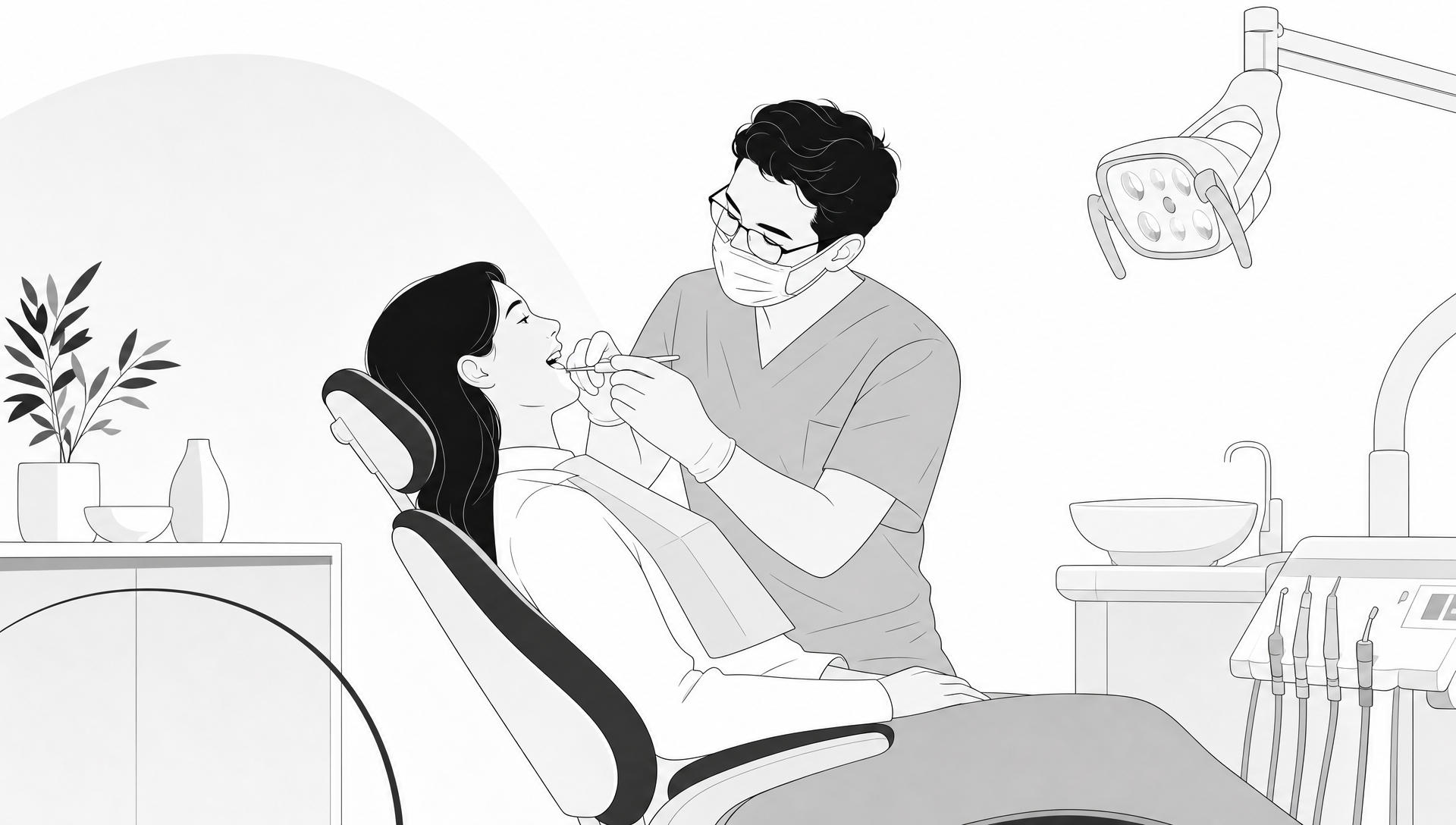
A dental clinic can usually support much more than a sore tooth. Depending on the practice and your individual needs, services may include check-ups and cleans, fillings, gum care, root canal treatment, crowns, bridges, whitening, veneers, clear aligners, children’s dentistry and advice for urgent dental concerns.
If you are looking for a dentist in Melbourne CBD, it helps to understand what is commonly available before you book. This guide is general information only and cannot replace a dental examination. Your dentist can assess your teeth, gums, bite, medical history and goals before explaining which options may be suitable.
Common services at a dental clinic
Most dental clinics provide a mix of preventive, restorative and cosmetic care. Some also offer orthodontic treatment, children’s dentistry and more complex procedures. The exact services vary between clinics, so it is sensible to check before making an appointment.
| Area of care | Examples of services | When it may be discussed |
|---|---|---|
| Preventive and general dentistry | Check-ups, cleans, X-rays when clinically needed, fluoride, fissure sealants, gum checks, oral hygiene advice | To help maintain oral health and identify concerns early |
| Restorative dentistry | Fillings, crowns, bridges, root canal treatment, replacement of damaged restorations | When teeth are decayed, cracked, worn, infected or missing |
| Cosmetic dentistry | Teeth whitening, veneers, bonding, cosmetic crowns | When a patient wants to discuss tooth colour, shape, spacing or surface concerns |
| Orthodontic care | Clear aligners such as Invisalign, braces in some clinics, bite assessment | When teeth or bite position may benefit from assessment |
| Children’s dentistry | Dental checks, cleans, preventive care, fissure sealants, education for families | To support oral health as children grow |
| Urgent dental care | Assessment of toothache, swelling, broken teeth, trauma, lost fillings or crowns | When symptoms or damage need timely professional advice |
General check-ups and preventive care
A routine dental visit usually starts with a discussion about your dental history, medical conditions, medications, symptoms and any concerns you would like to raise. Your dentist may then check your teeth, gums, bite, jaw joints and soft tissues such as the tongue and cheeks.
A professional clean may be recommended to remove plaque and tartar that brushing and flossing cannot fully remove at home. X-rays may be suggested if your dentist needs to see areas that are not visible during the examination, such as between teeth, under existing restorations or around tooth roots.
There is no single appointment schedule that suits everyone. Six-monthly visits are a common starting point, but some people may be advised to attend more or less often depending on gum health, decay risk, medical history and other factors. If you are unsure, this guide on how often you should visit a dentist in Melbourne explains why recall intervals are usually personalised.
Preventive care may also include practical advice about brushing technique, interdental cleaning, diet, fluoride, mouthguards for sport or nightguards for teeth grinding. These measures cannot guarantee that dental problems will not occur, but they may help reduce some risks when used appropriately.
Restorative dentistry for damaged or missing teeth
Restorative dentistry focuses on repairing, protecting or replacing teeth. Your dentist may discuss a filling if a tooth has decay or a small fracture. A crown may be considered when a tooth has lost significant structure, has large existing fillings or needs additional protection after certain treatments. A bridge may be one option for replacing a missing tooth, depending on the surrounding teeth and your oral health.
If a tooth is missing, the options may include a bridge, denture, implant treatment or leaving the space as it is, depending on the situation. Each option has advantages, limitations, costs and maintenance requirements. If a bridge is being considered, it can be helpful to read about what to ask a dentist about dental bridges before your appointment.
Root canal treatment may be discussed when the nerve tissue inside a tooth, called the pulp, is inflamed or infected. This can happen after deep decay, cracks, trauma or repeated dental work. Root canal treatment aims to manage infection or inflammation and retain the tooth where possible, but suitability depends on the tooth structure, gum support and other factors. Some teeth may not be restorable, and extraction may need to be discussed as an alternative.
All restorative procedures carry potential risks and benefits. These may include sensitivity, discomfort after treatment, further repair needs, changes to the bite, restoration failure over time or the need for additional treatment. Your dentist should explain what is relevant to your case before you decide.
Cosmetic dental services
Cosmetic dentistry is concerned with the appearance of teeth, but it should still be planned with oral health in mind. Common options include teeth whitening, composite bonding, veneers and cosmetic crowns. These services may be considered for concerns such as tooth colour, uneven edges, worn enamel, small gaps or visible restorations.
Teeth whitening may help lighten some types of staining, but results vary between patients and between different types of discolouration. Whitening can also cause temporary sensitivity for some people. Veneers and crowns may change the shape, colour or proportions of teeth, but they can involve preparation of natural tooth structure and may need maintenance or replacement in the future.
A careful dental assessment is important before cosmetic treatment. Gum disease, active decay, cracked teeth or bite issues may need to be managed first. Cosmetic treatment is not necessary for everyone, and a dentist should explain reasonable options, including doing nothing or monitoring a concern if that is appropriate.
Orthodontic care and clear aligners
Many dental clinics can assess tooth alignment, crowding, spacing and bite concerns. Some provide clear aligner treatment such as Invisalign, while others may also offer braces or refer to an orthodontist for complex cases.
Metro Dental offers Invisalign and is an Invisalign Platinum Provider. This does not mean Invisalign is suitable for every patient. Clear aligners require consistent wear, good oral hygiene and suitable tooth and gum health. Some bite problems may be better managed with other orthodontic approaches.
At an aligner consultation, your dentist may examine your teeth, discuss your goals, take scans or X-rays if needed and explain whether clear aligners may be an option. You can read more about what to expect at your first Invisalign consultation if you are considering this type of treatment.

Children’s dentistry
Children’s dental care is usually focused on prevention, early detection and building comfortable dental habits. A dental visit for a child may include checking teeth and gums, assessing tooth development, discussing brushing and diet, applying fluoride if appropriate, placing fissure sealants where suitable and providing advice for parents or carers.
Not every child needs the same approach. Some children have a higher risk of decay, some are anxious about dental visits and some may need monitoring as adult teeth come through. A dentist can explain what is appropriate based on the child’s age, dental development and oral health.
Metro Dental provides children’s dentistry and supports bulk-billed kids dental eligibility. Eligibility depends on relevant government requirements, so it is worth asking the clinic what information is needed when booking.
Wisdom teeth and other oral surgery assessments
A dental clinic may assess wisdom teeth if you have pain, swelling, food trapping, gum irritation or difficulty cleaning the area at the back of the mouth. Assessment may involve an examination and X-rays to understand the position of the wisdom teeth and nearby structures.
Some wisdom teeth can be monitored, while others may be considered for removal. Removal is not automatically required simply because wisdom teeth are present. Potential risks, recovery expectations and alternatives should be discussed before any procedure. In some situations, referral to an oral and maxillofacial surgeon may be appropriate.
Dental clinics may also provide other minor oral surgery services or refer externally depending on the complexity of the case, the patient’s health and the equipment or clinical support required.
What happens at a first appointment?
Your first appointment at a dental clinic is usually about understanding your oral health and your priorities. The exact process depends on why you are attending, but it often includes a structured assessment rather than immediate treatment.
A first visit may involve:
- A review of your medical history, medications, allergies and previous dental experiences
- A conversation about symptoms, dental concerns, treatment preferences and budget considerations
- An examination of your teeth, gums, bite, jaw and soft tissues
- X-rays, photographs or digital scans if clinically needed
- A discussion of findings, options, risks, likely timeframes and estimated costs
- A treatment plan if care is recommended, including alternatives where appropriate
If you attend with toothache, a broken tooth or swelling, the appointment may focus on diagnosing the problem and managing immediate symptoms. If you attend for a general check-up, a clean may be completed at the same visit if suitable and time allows.
How dental clinic services vary between practices
Not all dental clinics offer the same range of services. Some focus mainly on general dental care, while others also provide cosmetic dentistry, orthodontics, children’s dentistry, wisdom teeth treatment or more advanced restorative work. Larger clinics may provide several services in one place, but there are still situations where referral to another practitioner or specialist is appropriate.
Communication style also matters. A good appointment should give you time to ask questions, understand your options and consider the potential benefits, limitations and risks. You should not feel pressured into treatment, particularly for elective cosmetic care.
Costs can vary depending on the procedure, materials, appointment length, complexity and whether follow-up visits are needed. Before starting treatment, it is reasonable to ask for an itemised estimate, private health insurance item numbers if relevant, and information about payment arrangements. Metro Dental supports payment plans, but your suitability and the available options should be confirmed with the clinic.
If you are comparing practices, this external guide to choosing a dental clinic that suits your needs outlines useful factors such as services, costs, comfort, technology, location and questions to ask at your first appointment.
Questions to ask before dental treatment
Asking questions can make it easier to make an informed decision. You do not need to know dental terminology before your visit. A dentist should be able to explain the issue in everyday language.
Useful questions include:
- What is the likely cause of my dental concern?
- What are my treatment options, including monitoring or no treatment if appropriate?
- What are the potential benefits, risks and limitations of each option?
- How long might treatment take, and how many appointments may be needed?
- What costs should I expect, and are there possible additional costs?
- How should I care for the tooth, restoration or aligner after treatment?
- What signs should prompt me to contact the clinic after treatment?
These questions are especially important for treatments that involve long-term maintenance, irreversible tooth preparation or multiple appointments.
When should you contact a dentist promptly?
Dental symptoms do not always mean there is a serious problem, but some concerns are worth assessing promptly. Contact a dentist if you have persistent toothache, swelling around the face or gums, a broken tooth, dental trauma, a loose adult tooth, a lost crown or filling causing discomfort, or pain when biting that does not settle.
If you have facial swelling with fever, feel very unwell, or have difficulty breathing or swallowing, seek urgent medical care. In a medical emergency in Australia, call 000.
For less urgent concerns, a dental examination can still be helpful. Early assessment may allow you to understand what is happening and discuss options before symptoms become more difficult to manage.
Dental clinic services in Melbourne CBD
For people who work, study or live near Melbourne CBD, convenience can make dental care easier to keep up with. A clinic close to public transport, workplaces or nearby suburbs such as Southbank, Carlton, Docklands, East Melbourne and North Melbourne may be practical for check-ups, staged treatment or follow-up visits.
Metro Dental is located on Swanston Street in Melbourne CBD and provides general dentistry, cosmetic dentistry, orthodontic care including Invisalign, children’s dentistry, root canal treatment, teeth whitening and wisdom teeth care. The team can explain what may be suitable after assessing your oral health and discussing your preferences.
Frequently asked questions
What services does a dental clinic usually provide? A dental clinic usually provides preventive care, check-ups, cleans, fillings, gum assessment, restorative treatment and advice for dental symptoms. Many clinics also offer cosmetic dentistry, orthodontic treatment, children’s dentistry and urgent dental appointments, but services vary between practices.
Is a check-up the same as a clean? Not exactly. A check-up is an examination of your teeth, gums, bite and oral tissues. A clean removes plaque and tartar from the teeth. They are often done at the same visit, but your dentist may recommend a different approach depending on your oral health.
Does every dental clinic offer Invisalign or cosmetic dentistry? No. Some clinics offer clear aligners, whitening, veneers or other cosmetic services, while others focus mainly on general care. Suitability for cosmetic or orthodontic treatment depends on an assessment of your teeth, gums, bite and goals.
Can children attend a general dental clinic? Many general dental clinics see children, although the services and age range can vary. Children’s appointments often focus on prevention, tooth development, brushing habits, diet advice and early identification of dental concerns.
How much does a dental clinic appointment cost? Costs vary depending on the type of appointment, whether X-rays or cleaning are needed, the complexity of treatment and your private health insurance arrangements. Ask for an estimate before treatment begins. For children, eligibility for bulk-billed dental care depends on government program rules.
How do I know which treatment I need? You cannot reliably choose treatment based on symptoms alone. Similar symptoms can have different causes. A dental examination can help identify the issue and allow your dentist to explain suitable options, including risks, benefits and alternatives.
Discuss your dental concerns in Melbourne CBD
If you are unsure which service you need, starting with an examination is usually the most appropriate step. Your dentist can assess your oral health, explain what they find and discuss options that may suit your individual circumstances.
To discuss a dental concern, cosmetic option or routine check-up in Melbourne CBD, you can book an appointment with Metro Dental. Treatment recommendations, outcomes and experiences vary between patients, and your dentist can help you understand the potential benefits, risks and alternatives before you decide.
Disclaimer
The information provided on this website is for general informational and educational purposes only. It is not intended to replace professional dental advice, diagnosis or treatment. Dental needs and treatment outcomes vary between individuals. Always seek advice from a qualified dental practitioner regarding your specific circumstances before making decisions about your oral health or treatment. A consultation and clinical assessment are required to determine which treatment options may be suitable for you. All dental procedures carry potential risks and benefits, which will be discussed with you before treatment.