
How to Choose a Dental Care Clinic in Melbourne CBD
14 August 2026 | General Dentistry, Melbourne Dentist, Preventative Dentistry
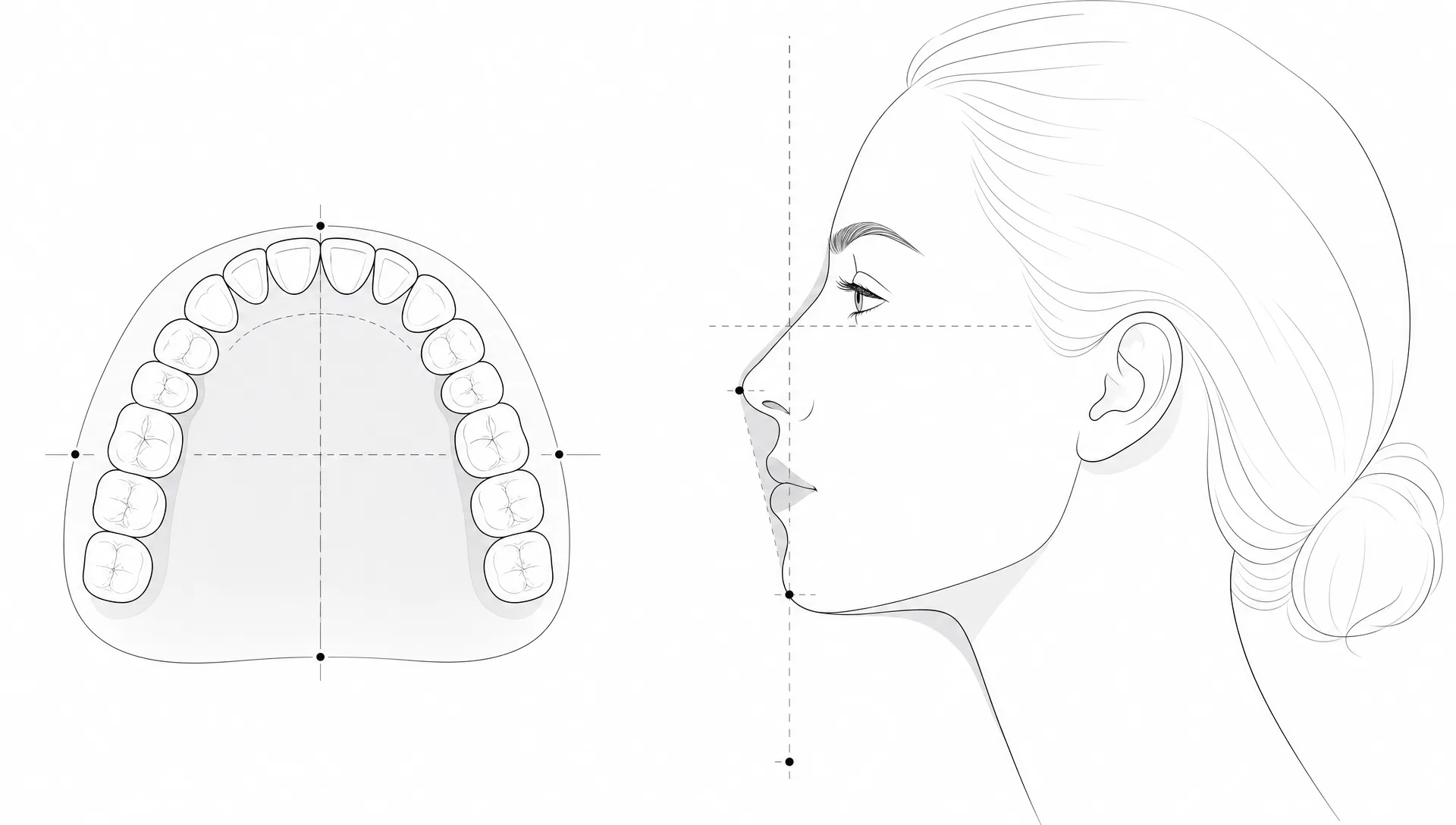
Choosing a dental care clinic in Melbourne CBD is not only about finding the closest appointment. A suitable clinic should be easy to access, clear about fees and options, and willing to explain care in a way that makes sense to you. Whether you need a routine check-up, help with tooth pain, cosmetic dentistry or clear aligners, the decision is easier when you know what to compare.
Below are practical points to consider before you book, especially if you live, work or study in the city or nearby areas such as Southbank, Docklands, Carlton, East Melbourne or North Melbourne.
What to look for in a dental care clinic in Melbourne CBD
A good starting point is to think about what you need now and what you may need later. Some people are simply looking for a dentist for regular examinations and cleans. Others may be comparing options for whitening, veneers, Invisalign, root canal treatment, wisdom teeth concerns or children’s dentistry.
A clinic with a broad mix of general and cosmetic dental services can be helpful because dental concerns often overlap. For example, a person asking about whitening may first need gum inflammation, decay or sensitivity assessed. Someone considering clear aligners may need their bite, oral hygiene, gum health and previous dental work reviewed before treatment can be discussed.
Metro Dental is located on Swanston Street in Melbourne CBD and provides general dentistry, cosmetic dental treatments, orthodontic care including Invisalign, children’s dentistry, root canal treatment and teeth whitening. Still, the most suitable treatment for any patient depends on a proper examination, medical history and individual goals.
Check that the dentist is appropriately registered
In Australia, dentists must be registered through the Dental Board of Australia, which operates through Ahpra. It is reasonable to check a dentist’s registration if you are seeing someone new, particularly before complex or higher-cost treatment.
It is also worth understanding the difference between a general dentist and a registered specialist. Many general dentists provide a wide range of treatment. A registered specialist has completed additional recognised training in a specific field and is registered in that specialty. If your needs are complex, a general dentist may discuss referral to another practitioner where appropriate.
Registration is only one part of choosing a clinic. You should also feel that the dental team explains things clearly, welcomes questions and does not pressure you into a decision before you understand your options.
Choose a clinic that values prevention, not just treatment
Preventive care is a major part of long-term oral health. A dental visit is not only for fixing a problem after symptoms appear. Regular examinations can help identify early signs of decay, gum disease, tooth wear, cracks, oral hygiene issues and changes in the mouth that may need monitoring.
For many adults, six-monthly dental check-ups are a common starting point, but the right interval varies. Some people may need more frequent visits because of gum disease, dry mouth, high decay risk, medical conditions or orthodontic treatment. Others may be advised to attend less often if their oral health is stable. Metro Dental has a helpful guide on how often you should visit a dentist in Melbourne if you want more context.
When comparing clinics, ask whether your dentist will explain your personal risk factors and recall interval rather than giving everyone the same recommendation. This is usually more useful than choosing a clinic based only on the quickest appointment time.
Notice how treatment options are explained
Clear communication is one of the strongest signs of patient-focused dental care. Before agreeing to treatment, you should have enough information to make a considered decision.
A dentist should be able to explain:
- What they can see during the examination and any X-rays or scans that are clinically needed
- What may be causing your symptoms or concerns
- Which treatment options may be suitable, including the option of monitoring where appropriate
- The potential benefits, limitations and risks of each option
- The likely number of appointments and aftercare involved
- The expected fees and whether a written treatment plan is available
- What may happen if treatment is delayed or not done
This matters because dental care is not one-size-fits-all. A filling, crown, root canal, extraction, whitening treatment, veneer or aligner plan may be suitable for one person and not for another. Oral health, bite forces, gum condition, medical history, lifestyle, budget and treatment goals can all affect the recommendation.
Compare the services you may realistically use
You do not need to choose a clinic that offers every possible dental service. It is more useful to choose one that can properly assess your current needs, explain reasonable options and refer you if your case requires care outside their scope.
| Your likely need | What to ask the clinic | Why it matters |
|---|---|---|
| Routine dental care | Do you provide examinations, cleans, gum checks and preventive advice? | Regular care can help monitor oral health and identify issues earlier. |
| Tooth pain or sensitivity | Can you assess the cause and explain options such as monitoring, fillings, root canal treatment or referral? | Symptoms can have several causes, so diagnosis is important before treatment. |
| Cosmetic dentistry | Will my oral health be checked before whitening, veneers or other cosmetic options are discussed? | Cosmetic treatment should be planned around healthy teeth and gums. |
| Teeth straightening | Can you assess whether aligners may be suitable or whether another option should be considered? | Suitability depends on tooth position, bite, oral health and treatment goals. |
| Children’s dentistry | Do you see children, and can you explain eligibility for any bulk-billed children’s dental care? | Eligibility criteria apply, and families often need clear information before booking. |
| Complex dental needs | Will you explain when referral may be appropriate? | Some cases benefit from input from another dentist or registered specialist. |
Understand fees, payment options and written treatment plans
Cost is a practical part of choosing a dental care clinic, and it is reasonable to ask questions before proceeding. Dental fees can vary depending on the complexity of the treatment, the materials used, the number of appointments, the need for X-rays or scans, and whether additional treatment is required first.
For anything beyond a simple visit, ask whether the clinic can provide an itemised estimate or written treatment plan. If you have private health insurance, item numbers may help you check your rebate with your fund before treatment. If you are considering payment plans, ask how they work, what terms apply and whether there are any fees or eligibility requirements.
Metro Dental offers payment plans, and the details can be discussed with the clinic before treatment. If you are comparing cosmetic options across Melbourne, it can also be useful to see how practices outside the CBD present their treatment and payment information, such as Creative Smiles in Armadale. Different clinics may structure consultations, fees and payment arrangements differently, so always check what applies to your own circumstances.

Consider access, appointment flow and continuity
Location can make a real difference to whether dental care fits into your life. In the CBD, many patients choose a clinic near work, university, public transport routes or regular errands. A Swanston Street location may be convenient if you are already in the city during the week.
Access is not only about geography. It is also worth considering how easy it is to book, whether the clinic offers online appointment booking, how follow-up appointments are handled and whether the team can explain what to bring to your first visit. If you have had recent X-rays, a medication list, health fund details or a referral letter, bringing these along may help the appointment run more smoothly.
Continuity also matters. Seeing the same clinic over time can help your dental team understand your history, monitor changes and compare findings from one visit to the next. This can be useful for gum health, tooth wear, cracks, previous dental work and orthodontic planning.
Think about comfort and dental anxiety
Many people feel nervous about dental visits. Some have had difficult past experiences, while others feel uncertain because they do not know what will happen at the appointment. A suitable clinic should take these concerns seriously and explain what is planned before treatment begins.
No dental clinic should promise that treatment will feel the same for every patient. However, you can ask how the team supports comfort, what anaesthetic options may be relevant, whether breaks can be taken during longer appointments and how they explain procedures before starting.
A calm environment, clear communication and respectful pacing can make appointments feel more manageable for many people. If you are anxious, mention this when booking so the clinic can note it before you attend.
If you are considering cosmetic or orthodontic treatment
Cosmetic and orthodontic dental care should begin with an oral health assessment. Whitening, veneers and aligners may not be suitable if there is untreated decay, active gum disease, significant tooth wear or other concerns that need attention first.
If you are comparing clear aligners with braces, consider the practical side as well as appearance. Aligners usually need consistent wear and good cleaning habits. Braces may be more suitable for some tooth movements or bite concerns. The right option depends on your individual assessment. Metro Dental has a separate article comparing Invisalign and braces if you are at the early research stage.
Metro Dental is an Invisalign Platinum Provider, which may be relevant if clear aligner treatment is a priority for you. Provider status should not replace an individual assessment, but it may be one factor you consider when choosing where to discuss aligner treatment.
Signs to pause before choosing a clinic
Most dental teams aim to provide careful, appropriate care. Even so, it is sensible to pause if something does not feel right during your research or consultation.
Be cautious if a clinic:
- Pressures you to decide before you understand the treatment
- Gives vague fee information for complex treatment without explaining why costs may vary
- Focuses only on appearance without checking oral health first
- Suggests the same treatment for everyone with similar cosmetic concerns
- Does not discuss risks, limitations or alternatives
- Makes you feel uncomfortable asking questions
Balanced information is part of ethical dental care. All dental procedures carry potential benefits and risks, and treatment outcomes and experiences vary between patients.
A simple checklist before you book
Before choosing a dental care clinic in Melbourne CBD, ask yourself whether the clinic meets the practical and clinical needs that matter to you.
Useful questions include:
- Is the location realistic for follow-up visits, not just the first appointment?
- Does the clinic offer the type of care I am likely to need?
- Will the dentist assess my oral health before discussing cosmetic or orthodontic options?
- Can I ask about fees, item numbers and payment options before treatment?
- Does the team explain risks and alternatives in plain English?
- Do I feel respected, not rushed or pressured?
If you have symptoms such as facial swelling, dental trauma, severe toothache, fever, difficulty swallowing or a spreading infection, arrange prompt dental or medical advice. These signs may need timely assessment rather than waiting for a routine appointment.
Frequently Asked Questions
How do I know if a dental care clinic is suitable for me? A suitable clinic should be accessible, transparent about fees, clear in its explanations and able to assess your individual oral health needs. The dentist should discuss options, risks and alternatives before recommending treatment.
Should I choose a clinic close to work or home? Choose the location that makes it easiest for you to attend examinations, treatment visits and follow-up appointments. For many people who work or study in the city, a Melbourne CBD clinic is practical during weekdays.
Do I need a clinic that offers cosmetic dentistry? Not everyone needs or wants cosmetic treatment. However, if you are considering whitening, veneers or aligners, choose a clinic that checks your oral health first and explains whether the option may be suitable for you.
What should I ask about dental costs? Ask for an estimate, item numbers where available, what is included, whether additional treatment may be needed and how payment options work. Fees can vary depending on complexity and individual needs.
Can I choose a dentist if I feel anxious about appointments? Yes. Tell the clinic about your concerns when booking. You can ask how the dentist explains procedures, manages comfort, allows breaks and helps patients understand what to expect.
Discuss your options with Metro Dental
Choosing a clinic is a personal decision, and it is reasonable to ask questions before booking. A dental examination can help determine the cause of your concerns and which options may be appropriate for your oral health, goals and circumstances.
If you would like to arrange an assessment in Melbourne CBD, you can contact Metro Dental to discuss an appointment on Swanston Street.
Disclaimer
The information provided on this website is for general informational and educational purposes only. It is not intended to replace professional dental advice, diagnosis or treatment. Dental needs and treatment outcomes vary between individuals. Always seek advice from a qualified dental practitioner regarding your specific circumstances before making decisions about your oral health or treatment. A consultation and clinical assessment are required to determine which treatment options may be suitable for you. All dental procedures carry potential risks and benefits, which will be discussed with you before treatment.