
What to Expect at Your First Invisalign Consultation
12 August 2026 | News
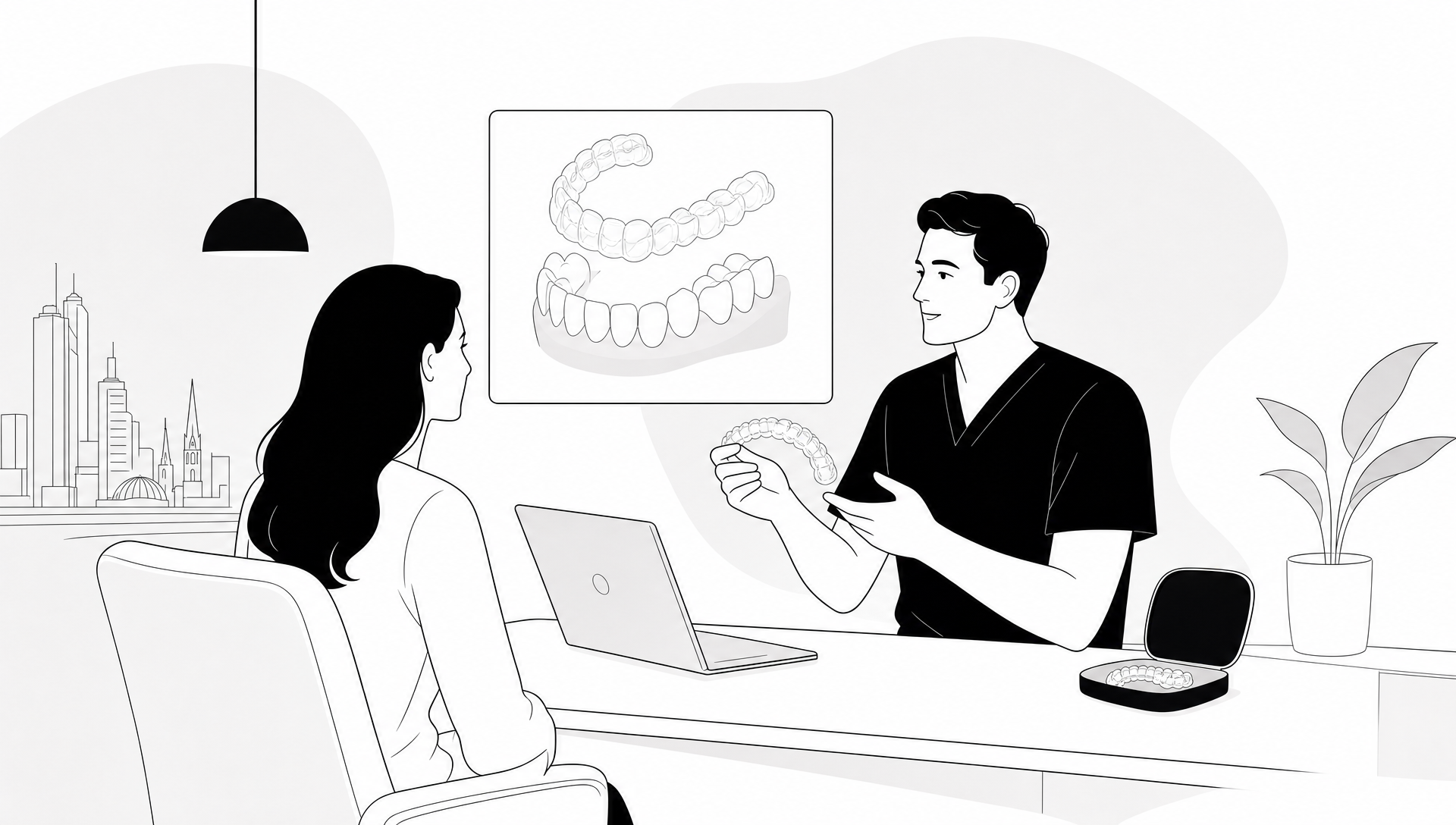
Your first Invisalign consultation is not just a quick look at your teeth. It is the appointment where your dentist learns what you want to change, checks whether clear aligners are suitable, and explains what treatment could realistically involve.
If you are considering Invisalign for the first time, you may be wondering whether you will need X-rays, whether the appointment will hurt, how long treatment might take, and whether you need to decide on the spot. The short answer is that a good consultation should give you clarity, not pressure.
At Metro Dental in Melbourne CBD, Invisalign consultations are designed to help you understand your options in a calm, practical way. Here is what typically happens before, during and after your first visit.
Why the first Invisalign consultation matters
Invisalign uses a series of custom-made clear aligners to gradually move teeth. While the aligners may look simple, the planning behind them is detailed. Your dentist needs to assess your teeth, gums, bite, jaw relationship, oral hygiene and smile goals before recommending any treatment.
This is important because clear aligners are not only about straightening the front teeth. Your bite needs to function comfortably, your gums need to be healthy, and any active dental problems, such as decay or gum inflammation, may need to be managed before orthodontic movement begins.
A consultation also helps you understand whether Invisalign is the most appropriate option, or whether another orthodontic approach may suit your case better. For some people, aligners are ideal. For others, a different plan, additional dental treatment, or a staged approach may be recommended.
Before your appointment: what to bring and think about
You do not need to prepare extensively for your first Invisalign consultation, but a little planning can help you get more out of it.
Think about what you would like to change. Are you concerned about crowding, gaps, rotated teeth, an uneven smile line, your bite, or teeth that have shifted after previous braces? The more specific you can be, the easier it is for your dentist to understand your priorities.
It can also help to bring or mention:
- Details of previous orthodontic treatment, including braces, retainers or aligners
- Any recent dental X-rays or records, if you have them available
- Your general medical history and any regular medications
- Questions about cost, payment plans, timing or lifestyle concerns
- Important upcoming events, such as weddings, travel, graduations or work commitments
Brush and floss as normal before your visit. There is no need to whiten your teeth or make cosmetic changes beforehand. Your dentist needs to see your teeth and gums as they are.
What happens when you arrive
Your first visit usually begins with a conversation. The dental team will ask about your concerns, what you hope Invisalign will achieve, and whether you have any symptoms such as jaw pain, tooth sensitivity, bleeding gums, headaches or difficulty chewing.
This is also the time to be honest about your lifestyle. Clear aligners are removable, which is one of their biggest advantages, but they still require commitment. If you snack frequently, forget appliances easily, or play contact sport, your dentist can talk through how aligners might fit into your routine.
If you are visiting a Melbourne CBD dentist such as Metro Dental, you can also ask how appointments can be scheduled around work, study or city travel. Convenience matters, because Invisalign treatment involves progress reviews as your teeth move.
The dental examination
A key part of the consultation is a clinical examination. Your dentist will check your teeth, gums, bite and overall oral health. This helps identify anything that could affect treatment planning.
For example, untreated tooth decay may need to be restored before aligners are made. Gum health is also essential, because orthodontic movement places controlled pressure on the teeth and supporting tissues. If there are signs of gum disease, your dentist may recommend hygiene treatment or periodontal care before starting Invisalign.
Your dentist may also assess tooth wear, jaw function, crowding, spacing, midline alignment and how your upper and lower teeth meet. These details help determine whether Invisalign can achieve your goals safely and predictably.
| Part of the consultation | What your dentist is checking | Why it matters |
|---|---|---|
| Teeth and restorations | Decay, cracks, fillings, crowns and tooth shape | Aligners must fit accurately over healthy teeth |
| Gums and bone support | Bleeding, inflammation, recession or mobility | Healthy foundations are needed before moving teeth |
| Bite assessment | Overbite, underbite, crossbite, open bite or crowding | Tooth movement must support comfortable function |
| Smile goals | What you want to improve and what bothers you most | Treatment should match your priorities, not just clinical measurements |
| Lifestyle factors | Wear time, cleaning habits, travel and routines | Invisalign success depends on consistent daily use |
Scans, photos and X-rays
Depending on your situation, your dentist may recommend digital scans, photographs and X-rays. These records help with diagnosis and treatment planning.
A digital scan can create a detailed 3D model of your teeth, often without the need for traditional putty impressions. Photos may be taken to record your smile, tooth position and facial profile. X-rays can show root positions, bone levels, wisdom teeth, missing teeth or other factors that cannot be seen during a visual examination.
These records do not mean you are locked into treatment. They are part of understanding whether Invisalign is appropriate and what type of plan may be needed.
Finding out if you are suitable for Invisalign
Many adults and teens are interested in Invisalign because the aligners are clear, removable and generally easy to fit around daily life. Invisalign may be suitable for a range of concerns, including mild to moderate crowding, spacing and some bite issues. However, suitability always depends on a professional assessment.
Some cases are more complex. Significant bite discrepancies, severe rotations, short or unusually shaped teeth, active gum disease, missing teeth or heavily restored teeth can affect aligner planning. That does not automatically rule out Invisalign, but it may change the approach.
This is where provider experience matters. Metro Dental is an Invisalign Platinum Provider, which means the clinic has experience providing Invisalign treatment. Your consultation is an opportunity to benefit from that experience while still receiving advice tailored to your mouth, goals and health.
Discussing your likely treatment plan
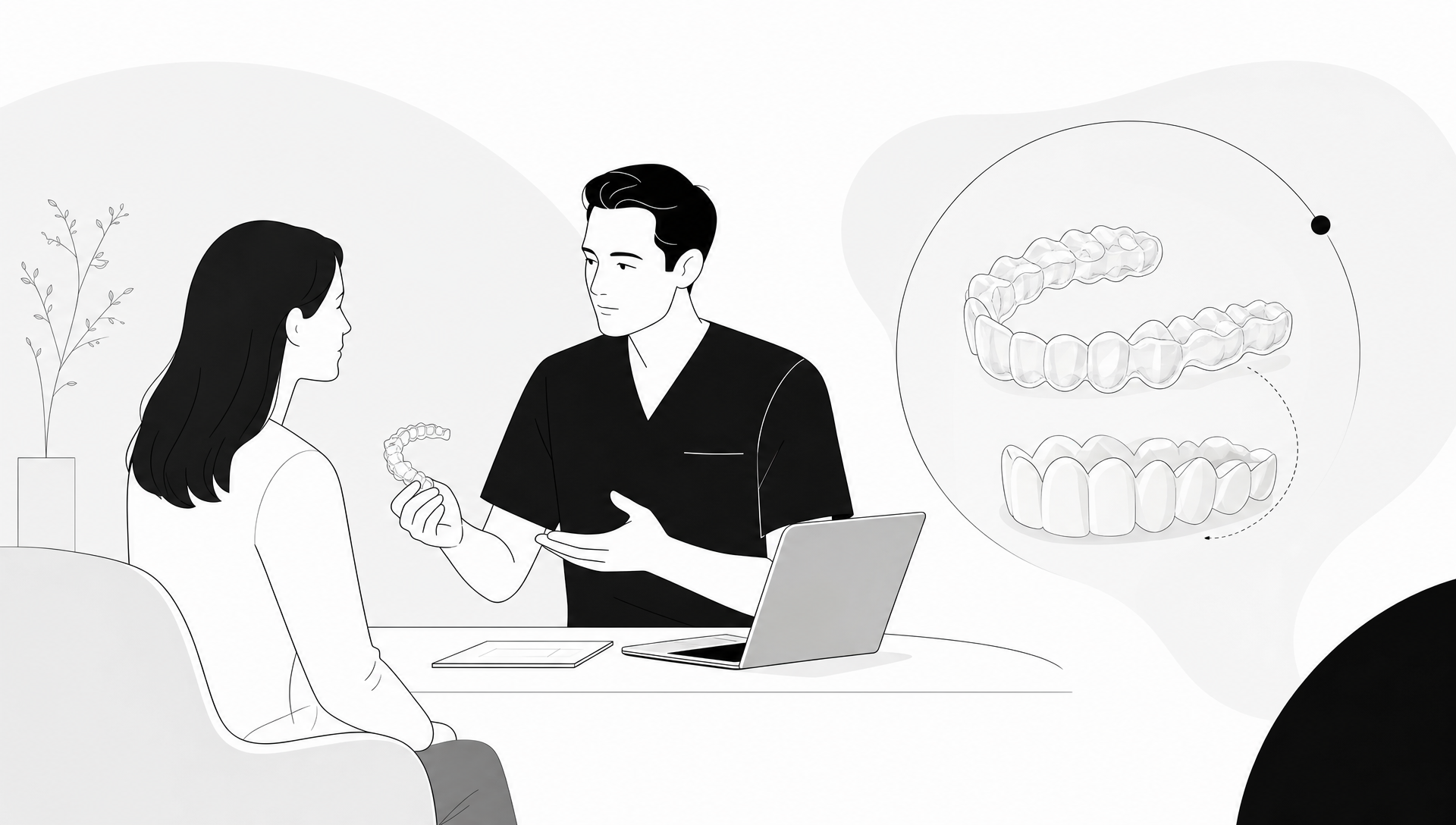
If Invisalign appears suitable, your dentist will explain what treatment could involve. At this stage, the discussion may include the estimated complexity of your case, whether any preparatory dental work is needed, and what kind of results may be realistic.
You may hear about attachments, which are small tooth-coloured shapes bonded to teeth to help aligners grip and guide movement. Some patients may also need small spaces created between certain teeth, known as interproximal reduction, to relieve crowding. Not every person needs these steps, but they are common enough that it is worth asking about them.
Your dentist will also explain how often you may need to change aligners, how review appointments work, and what happens if teeth do not move exactly as expected. Orthodontic treatment is carefully planned, but real teeth can respond at different speeds, so refinement aligners may sometimes be needed.
Understanding wear time and daily habits
One of the biggest topics in your first Invisalign consultation is compliance. Invisalign aligners are removable, but they only work when they are worn as directed. Many clear aligner treatment plans require aligners to be worn for most of the day, often around 20 to 22 hours, with removal for eating, drinking anything other than water, brushing and flossing.
Your dentist will explain the specific instructions for your case. In general, you should be prepared to:
- Remove aligners before meals and most drinks
- Brush or rinse before putting aligners back in
- Store aligners safely in their case when not wearing them
- Clean aligners as instructed, without hot water that could warp them
- Attend review appointments so progress can be monitored
This conversation is not designed to scare you. It is there to make sure Invisalign suits your routine. Patients who wear their aligners consistently are more likely to stay on track with their planned results and timing.
The Australian Dental Association also emphasises the importance of regular dental care and good oral hygiene, which remain essential during orthodontic treatment. Straightening teeth does not replace the need for brushing, flossing and professional check-ups.
Costs, payment options and health fund questions
Your first Invisalign consultation should also help you understand the financial side of treatment. Invisalign costs can vary because treatment depends on case complexity, treatment length, records, aligner requirements and whether any other dental care is needed first.
Rather than relying on a generic online price, it is best to receive an individual treatment estimate after your dentist has assessed your teeth. Ask what is included in the quote, whether retainers are included or quoted separately, and whether additional refinements may affect the cost.
Metro Dental supports payment plans, which can help patients spread treatment costs. If you have private health insurance, ask your health fund directly about orthodontic benefits, waiting periods, annual limits and lifetime limits. Your dental team may be able to provide the item numbers needed for a quote, but your insurer is the best source for your exact rebate information.
Questions to ask at your first Invisalign consultation
A consultation is your time to ask practical questions. You do not need to know dental terminology, and you should feel comfortable asking for anything to be explained in plain English.
Good questions include:
- Am I a suitable candidate for Invisalign, and why?
- What changes can Invisalign realistically achieve for my smile and bite?
- Are there any dental issues that need to be treated first?
- Will I need attachments, elastics or other supporting steps?
- How long might my treatment take?
- How often will I need review appointments?
- What happens if I lose an aligner or fall behind with wear time?
- Will I need retainers after treatment?
- What is included in the treatment estimate?
A quality consultation should leave you with a clearer understanding of your options, even if you decide not to start straight away.
What happens after the consultation
After your first Invisalign consultation, you may receive a proposed treatment plan, cost estimate and next steps. In some cases, additional records or dental treatment may be recommended before the aligner plan is finalised.
You should not feel rushed into a decision. Invisalign is an investment in your smile, oral health and daily routine, so it is reasonable to take time to consider the plan, discuss finances, check health fund details and ask follow-up questions.
If you decide to proceed, your dentist will guide you through the next stage. This may involve confirming records, reviewing your digital treatment plan and ordering your aligners. Once your aligners arrive, you will have a fitting appointment where your dentist checks the fit, provides instructions and explains how to care for them.
Invisalign for teens and younger patients
Parents often ask whether Invisalign is suitable for teenagers. The answer depends on the teen’s dental development, orthodontic needs and ability to wear aligners consistently. Because aligners are removable, responsibility is a major part of treatment success.
During a consultation, the dentist can assess whether clear aligners are appropriate or whether another orthodontic option may be better. If your child is younger, it may be worth discussing broader children’s dentistry needs first, especially if baby teeth are still present or growth and development are still being monitored.
Metro Dental provides family-focused care, including children’s dentistry and bulk-billed kids dental eligibility for those who qualify. This can make it easier for families to manage general dental care and orthodontic conversations in one familiar setting.
How to know you are ready to book
You may be ready for an Invisalign consultation if you have noticed teeth shifting, feel self-conscious about your smile, have crowding or gaps, or want to understand your options before committing to treatment.
You do not need to be certain that Invisalign is right for you before booking. In fact, that is the point of the consultation. Your dentist will help you work out whether aligners make sense, whether anything needs to happen first, and what kind of result you can reasonably expect.
For busy professionals, students and families in the city, seeing a dentist on Swanston Street can make the process more convenient. Appointments close to work, university or public transport can make it easier to attend reviews and stay consistent throughout treatment.
Frequently Asked Questions
Will I get Invisalign aligners at my first consultation? Usually, no. The first consultation is mainly for assessment, records, discussion and planning. If you proceed, aligners are custom-made after your treatment plan is prepared.
Does an Invisalign consultation hurt? The consultation itself is generally comfortable. Your dentist may examine your teeth and gums, take photos, scans or X-rays, but there is usually no painful procedure involved.
How long does Invisalign treatment take? Treatment time varies depending on the complexity of tooth movement required and how consistently you wear your aligners. Your dentist can provide a personalised estimate after assessing your teeth.
Is Invisalign suitable for everyone? Not always. Invisalign can treat many alignment concerns, but some cases may require another orthodontic approach or dental treatment before aligners can begin.
Can I eat and drink with Invisalign? You usually remove aligners for eating and for drinking anything other than water. This helps protect the aligners and keeps your teeth cleaner during treatment.
Will I need retainers after Invisalign? Most orthodontic treatments require retainers afterward to help maintain the new tooth positions. Your dentist will explain what retention plan is recommended for you.
Ready to explore Invisalign in Melbourne CBD?
Your first Invisalign consultation is the best way to move from curiosity to clarity. You will learn whether clear aligners are suitable, what treatment may involve, and how Invisalign could fit your lifestyle.
If you are looking for an Invisalign Platinum Provider in Melbourne CBD, Metro Dental on Swanston Street offers patient-focused care, general dentistry, cosmetic dentistry and orthodontic treatment in one convenient clinic. Book an appointment online to take the first step toward a straighter, more confident smile.
Disclaimer
The information provided on this website is for general informational and educational purposes only. It is not intended to replace professional dental advice, diagnosis or treatment. Dental needs and treatment outcomes vary between individuals. Always seek advice from a qualified dental practitioner regarding your specific circumstances before making decisions about your oral health or treatment. A consultation and clinical assessment are required to determine which treatment options may be suitable for you. All dental procedures carry potential risks and benefits, which will be discussed with you before treatment.