
What Affects Dental Cleaning Costs in Melbourne?
9 September 2026 | Dental Fees & Financing, Preventative Dentistry, Teeth Cleaning

If you searched dental cleaning cost Melbourne, the most useful answer is that fees vary because not every dental clean involves the same amount of time, assessment or follow-up care. A straightforward scale and polish for someone who attends regularly may be different from an appointment where there is heavy tartar build-up, gum inflammation, X-rays or a more detailed periodontal (gum) assessment.
Rather than looking for one universal price, it is usually more helpful to understand what affects the fee and what is included in the appointment. That makes it easier to compare quotes, ask informed questions and avoid surprises when booking a dental clean in Melbourne CBD.
Dental cleaning cost Melbourne: why quotes can differ
Dental clinics in Melbourne do not all quote professional cleaning in the same way. Some fees may include a check-up, scale, polish and fluoride treatment. Others may separate the clean from the dental examination or charge separately for X-rays when they are clinically indicated.
The main reason dental cleaning cost Melbourne searches bring up varied answers is that a dental clean is not always a single, identical service. Your dentist or oral health professional first needs to understand your oral health, including your teeth, gums, medical history and how long it has been since your last clean.
A professional clean may be simple and preventive, or it may form part of managing gum disease. Those two appointments can involve different time, instruments, planning and follow-up.
What is usually included in a professional dental clean?
A professional dental clean commonly includes removing plaque and tartar from around the teeth and gumline. Plaque is the soft bacterial film that builds up daily. Tartar, also called calculus, is hardened plaque that cannot be removed with normal brushing or flossing at home.
Many appointments also include polishing to smooth the tooth surfaces. In some cases, fluoride may be applied to support enamel protection, depending on your individual risk factors and the dentist’s recommendation.
If you are new to a clinic or have not had a recent check-up, the appointment may also include a dental examination. This is where your dentist checks your teeth, gums, existing fillings, bite and soft tissues. You can read more about the appointment process in Metro Dental’s guide to what happens during a professional teeth cleaning.
Key factors that affect the cost of a dental clean
The amount of plaque and tartar present
A light clean usually takes less time than an appointment where there is a lot of tartar build-up. Tartar can collect behind the lower front teeth, around back molars and along the gumline. If it has been a while since your last appointment, more time may be needed to remove it carefully.
This does not mean someone has done anything wrong. Tartar build-up varies between patients and can be influenced by saliva, brushing technique, diet, crowded teeth, smoking, certain medical conditions and how often professional cleaning has been recommended.
Gum health and periodontal needs
Healthy gums and gums affected by inflammation or periodontal disease may require different types of care. Gingivitis is inflammation of the gums, often linked with plaque build-up. Periodontitis is a more advanced gum condition that can affect the supporting structures around teeth.
If there are deeper pockets around the teeth, bleeding, gum recession or bone support concerns, your dentist may recommend a more detailed gum assessment or periodontal cleaning. This can take longer than a routine scale and polish and may require more than one visit.
Whether X-rays are needed
Dental X-rays are not automatically needed at every cleaning appointment. Your dentist may recommend them if they need to check areas that cannot be seen directly, such as between teeth, under existing fillings or around the bone supporting the teeth.
If X-rays are clinically indicated, they may be charged separately. You can ask whether they are included in the quoted fee and why they have been recommended.
New patient appointment or regular maintenance visit
A first visit to a clinic can involve more assessment than a regular maintenance appointment. Your dentist may need to review your dental history, medical history, medications, previous treatment and current concerns.
For returning patients who attend regularly, the clean may be more predictable, although the fee can still vary if new concerns are found or more time is needed.
The time required for the appointment
Time is one of the most practical cost factors. A short maintenance clean, a longer appointment for heavier build-up and a more involved gum treatment appointment are not the same from a clinical or scheduling perspective.
If you are comparing clinics, ask how long the appointment is expected to take and whether the quote is for a routine clean only or a more detailed check-up and clean.
| Cost factor | Why it may affect the fee | Useful question to ask |
|---|---|---|
| Plaque and tartar levels | More build-up can require more clinical time | Is this likely to be a routine clean or a longer appointment? |
| Gum condition | Gum inflammation or periodontal concerns may need more detailed care | Will my gums be assessed during the visit? |
| Examination included | Some quotes include a dental check-up and others separate it | Does the fee include an exam? |
| X-rays | May be recommended only when clinically needed | Are X-rays included or quoted separately? |
| Fluoride | May be applied depending on individual risk | Is fluoride part of the appointment fee? |
| Health fund rebate | Out-of-pocket cost depends on your cover | Can I get an itemised quote for my health fund? |
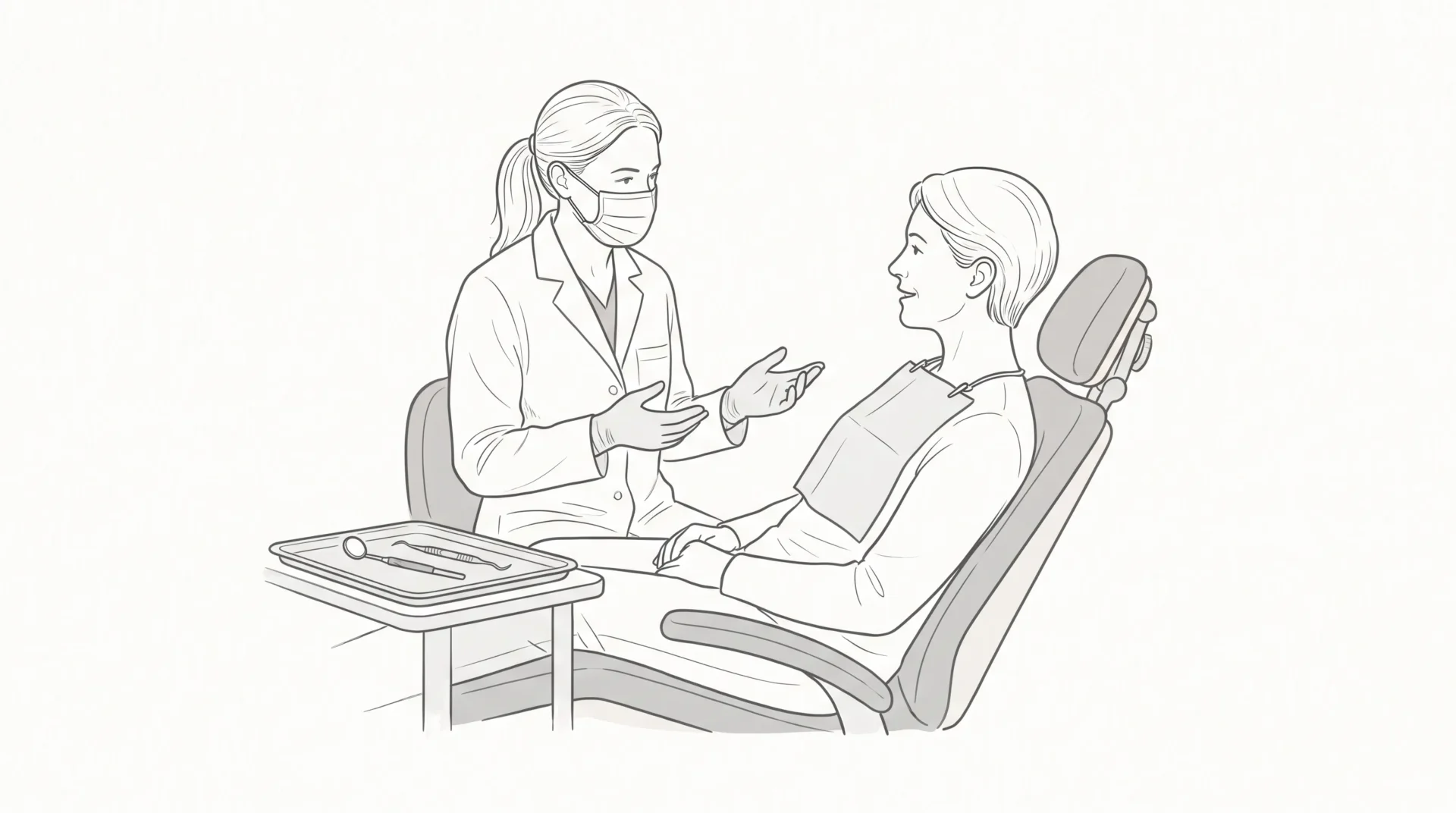
Routine clean vs deep cleaning: why the distinction matters
A routine clean generally focuses on removing plaque and tartar above the gumline and slightly below it where accessible. It is often part of preventive dental care.
A deep clean, sometimes called periodontal debridement or scaling and root planing, may be considered when there are signs of gum disease. This type of treatment may involve cleaning deeper below the gumline and is usually planned according to the areas affected.
Deep cleaning is not something every patient needs. A dentist must assess your gums first and explain why it may or may not be suitable. Possible effects can include temporary gum tenderness, sensitivity or bleeding after treatment. Your dentist should discuss potential benefits, risks and alternatives before proceeding.
Health funds, Medicare and children’s dental benefits
Private health insurance can change your out-of-pocket cost, but rebates vary significantly between funds and levels of cover. The same dental fee may lead to different out-of-pocket amounts for different patients.
If you have extras cover, ask the clinic for item numbers before your appointment or at the time of quoting. Your health fund can then estimate your rebate. This is usually more reliable than assuming a clean will be covered in full.
For adults, Medicare generally does not cover most private dental treatment. For eligible children, the Australian Government’s Child Dental Benefits Schedule may contribute towards basic dental services. Services Australia explains the current eligibility rules and benefit details for the Child Dental Benefits Schedule.
Metro Dental supports bulk-billed kids dental eligibility where applicable. Eligibility and available benefits need to be checked for the individual child before treatment.
Melbourne CBD location and appointment logistics
The location of a dental clinic can influence general operating costs, including rent, staffing and appointment availability. A Melbourne CBD clinic may also be chosen for convenience if you work, study or live nearby in areas such as Southbank, Docklands, Carlton, East Melbourne or North Melbourne.
The invoice is not the only cost people consider. Time away from work, public transport, parking and travel arrangements can all affect the practical cost of attending an appointment.
If you are attending during a workday, it may help to ask how long to allow for the appointment and whether any follow-up is likely.
How to compare dental cleaning quotes fairly
For a fair comparison of dental cleaning cost Melbourne options, try to compare like with like. A lower headline fee may not include the same components as another quote. A higher fee may include an examination, fluoride or other elements, but you should not assume this unless it is clearly explained.
Useful questions include:
- Does the quote include a dental examination?
- Is the clean performed in one appointment?
- Are X-rays included or only taken if needed?
- Is fluoride included?
- Will I receive an itemised quote for my health fund?
- What happens if gum disease or another concern is found?
You may also find it helpful to read Metro Dental’s broader explanation of what affects dental treatment costs in Melbourne, especially if your dental clean may be part of a wider treatment plan.
How often should you budget for a dental clean?
There is no single cleaning schedule that suits everyone. Many adults are advised to attend every six to twelve months, but some people may benefit from more frequent visits depending on gum health, decay risk, orthodontic appliances, smoking, dry mouth, diabetes, pregnancy or other individual factors.
A dental examination can help determine an appropriate recall interval for your circumstances. Metro Dental has a separate guide on how often you should visit a dentist in Melbourne if you would like more context.
Regular care may make cleaning appointments more straightforward for some patients, but outcomes and ongoing needs vary. If you have bleeding gums, persistent bad breath, loose teeth, tooth sensitivity or pain, it is sensible to arrange an assessment rather than waiting for your next routine appointment.
Frequently asked questions
Is dental cleaning cost Melbourne the same at every clinic? No. Fees can vary depending on what is included, how long the appointment takes, whether an examination or X-rays are needed and whether the clean is routine or related to gum treatment.
Does a dental clean include a check-up? Sometimes, but not always. Some clinics quote a combined check-up and clean, while others list the examination separately. Ask for an itemised explanation before booking if you are unsure.
Will private health insurance cover my dental clean? It depends on your extras policy, annual limits, waiting periods and fund rules. An itemised quote can help your health fund estimate your rebate and out-of-pocket cost.
Do I need X-rays at every cleaning appointment? Not necessarily. X-rays should be recommended based on your oral health, symptoms, history and clinical findings. Your dentist can explain why they are or are not needed.
Is deep cleaning more expensive than a routine clean? It can be, because it may involve more time, detailed gum assessment and sometimes multiple appointments. A dentist needs to assess your gums before advising whether this type of care may be appropriate.
Can children have their dental clean bulk-billed? Some children may be eligible for benefits under the Child Dental Benefits Schedule. Eligibility depends on government criteria and should be checked before treatment.
Booking a dental clean in Melbourne CBD
If you would like a clearer idea of what a professional clean may involve for you, a dental examination can help assess your teeth and gums, identify whether any additional care is needed and clarify likely fees before treatment proceeds.
Metro Dental provides general dental care in Melbourne CBD, including professional teeth cleaning, children’s dentistry and payment plan options where suitable. To discuss your needs, you can contact Metro Dental or use the clinic’s online appointment booking to arrange an assessment.
Disclaimer
The information provided on this website is for general informational and educational purposes only. It is not intended to replace professional dental advice, diagnosis or treatment. Dental needs and treatment outcomes vary between individuals. Always seek advice from a qualified dental practitioner regarding your specific circumstances before making decisions about your oral health or treatment. A consultation and clinical assessment are required to determine which treatment options may be suitable for you. All dental procedures carry potential risks and benefits, which will be discussed with you before treatment.