
Choosing Gentle Dental Care for a Strong Gag Reflex in Melbourne
26 October 2026 | General Dentistry, Melbourne Dentist, Oral Health
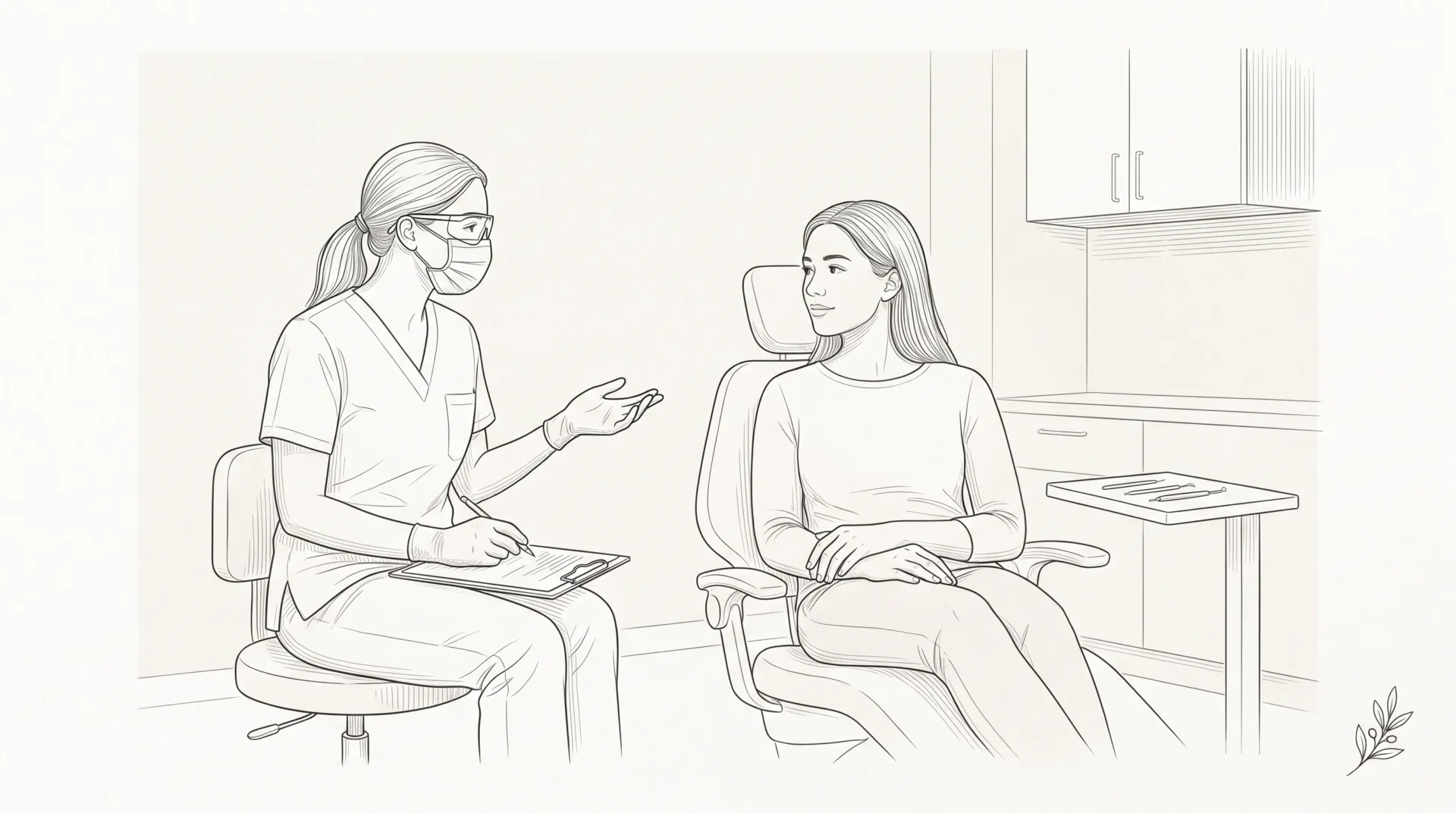
If you are searching for gentle dental care near me because a strong gag reflex makes dental visits difficult, look for a clinic willing to discuss your triggers before treatment begins. Helpful care involves an agreed stop signal, suitable adjustments and realistic explanations of what may be possible. You do not need to know the cause of your gagging before booking, but telling the team in advance gives them an opportunity to plan with you.
Why dental visits can trigger gagging
The gag reflex is a protective response that helps stop objects reaching the throat. During dental care, contact with the back of the tongue, roof of the mouth or nearby tissues can trigger it. For some people, even placing an X-ray sensor or impression tray in the mouth is difficult.
Sensations such as water collecting in the mouth, certain tastes or feeling unable to pause can also contribute. Anxiety may increase the response, but a strong gag reflex is not simply a sign of nervousness. People who otherwise feel comfortable at the dentist can experience it too.
The useful starting point is identifying what happens for you. Tell the dentist whether gagging occurs during brushing, with dental equipment or only during particular procedures. Mention nasal congestion, swallowing difficulties and any previous approaches that helped or made things worse.
What should you ask when comparing “gentle dental care near me” results?
A description such as “gentle” does not explain how a clinic will approach your particular gag reflex. Ask practical questions rather than relying on a reassuring label:
- Can I discuss my gag reflex before an examination starts?
- Can we agree on a hand signal and pause when needed?
- Could the first visit focus on assessment and planning, if clinically appropriate?
- How would you approach X-rays or impressions if I struggle with them?
- Which comfort options are available, and what are their limitations and costs?
Listen for clear explanations rather than promises that you will not gag. No clinic can guarantee that an adjustment will prevent the reflex, and some procedures require particular positions or equipment to be completed safely.
For someone travelling into the city from Carlton, Southbank or Docklands, convenient transport matters too. However, location should sit alongside communication, suitability and costs when choosing a dental clinic in Melbourne CBD.
Practical adjustments worth discussing
When assessing “gentle dental care near me” options, ask how the team would adapt the specific part of care that triggers your gagging. There is no single technique that suits everyone, so the dentist may suggest trying one manageable change at a time.
| What triggers gagging | Adjustment to discuss | Important limitation |
|---|---|---|
| Feeling that you cannot stop | An agreed hand signal and planned pauses | The clinician needs a moment to remove instruments safely |
| Water or saliva collecting | Suction and opportunities to clear your mouth | The approach depends on the procedure |
| An X-ray sensor or film | Careful positioning or a smaller receptor, where suitable | A usable image must still show the area being assessed |
| An impression tray | Tray selection, positioning or a digital scan where appropriate | Scanning still involves equipment inside the mouth and is not interchangeable with every impression |
Position, breathing and pacing
Some people find a more upright position easier to tolerate. Whether it is suitable depends on access, visibility and the treatment being performed. Let the dentist know if lying back worsens your symptoms rather than trying to tolerate it silently.
Slow, comfortable breathing through the nose may help you manage the appointment if your nose is clear. It is not a guaranteed way to suppress gagging. Mention congestion rather than forcing nasal breathing.
Shorter stages can sometimes make care more manageable, although not every procedure can be interrupted or divided into brief visits. Your dentist should explain the practical trade-offs before you decide.
What a first appointment may involve
A useful first visit begins with a conversation, not an assumption that treatment must start immediately. The dentist can review your medical history, ask about previous experiences and discuss any current pain or other concerns.
Explain which sensations are difficult and how quickly gagging develops. Agree on a stop signal before equipment enters your mouth. If you need to pause, use that signal rather than suddenly turning your head while an instrument is in place.
Your search for “gentle dental care near me” should lead to an individual plan, not a promise that every examination or treatment will feel the same. Depending on your needs, the dentist may suggest a gradual examination, necessary investigations or a separate treatment appointment.
X-rays should be recommended according to clinical need. An image taken outside the mouth is not automatically a suitable replacement for an image taken inside it, because different images answer different questions. If a necessary investigation cannot be completed, ask what information is missing and how that affects treatment decisions.
When sedation may be considered
If a strong gag reflex continues to prevent necessary care despite adjustments, your dentist may discuss whether sedation is appropriate or whether referral is needed. Sedation uses medicines to help a person relax or become less aware during treatment. Its effects depend on the method and the individual.
The Victorian Government’s Better Health Channel guidance on dental anxiety and phobia explains several approaches to managing difficult dental visits, including sedation options. Although anxiety and gagging are different concerns, anxiety management may be relevant when both occur together.
A listing for “gentle dental care near me” does not confirm that sedation is available or suitable. Ask the clinic directly about its services, assessment requirements and referral arrangements.
Sedation has risks, including effects on breathing and alertness, and requires appropriate assessment and monitoring. Depending on the method, fasting, an escort and restrictions on driving or work may apply. Follow the treating team’s specific instructions.
Local anaesthetic, which numbs the treatment area, has a different purpose. It does not reliably switch off the gag reflex, and sedation does not necessarily replace the need for local anaesthetic.
How to prepare without trying to suppress the reflex yourself
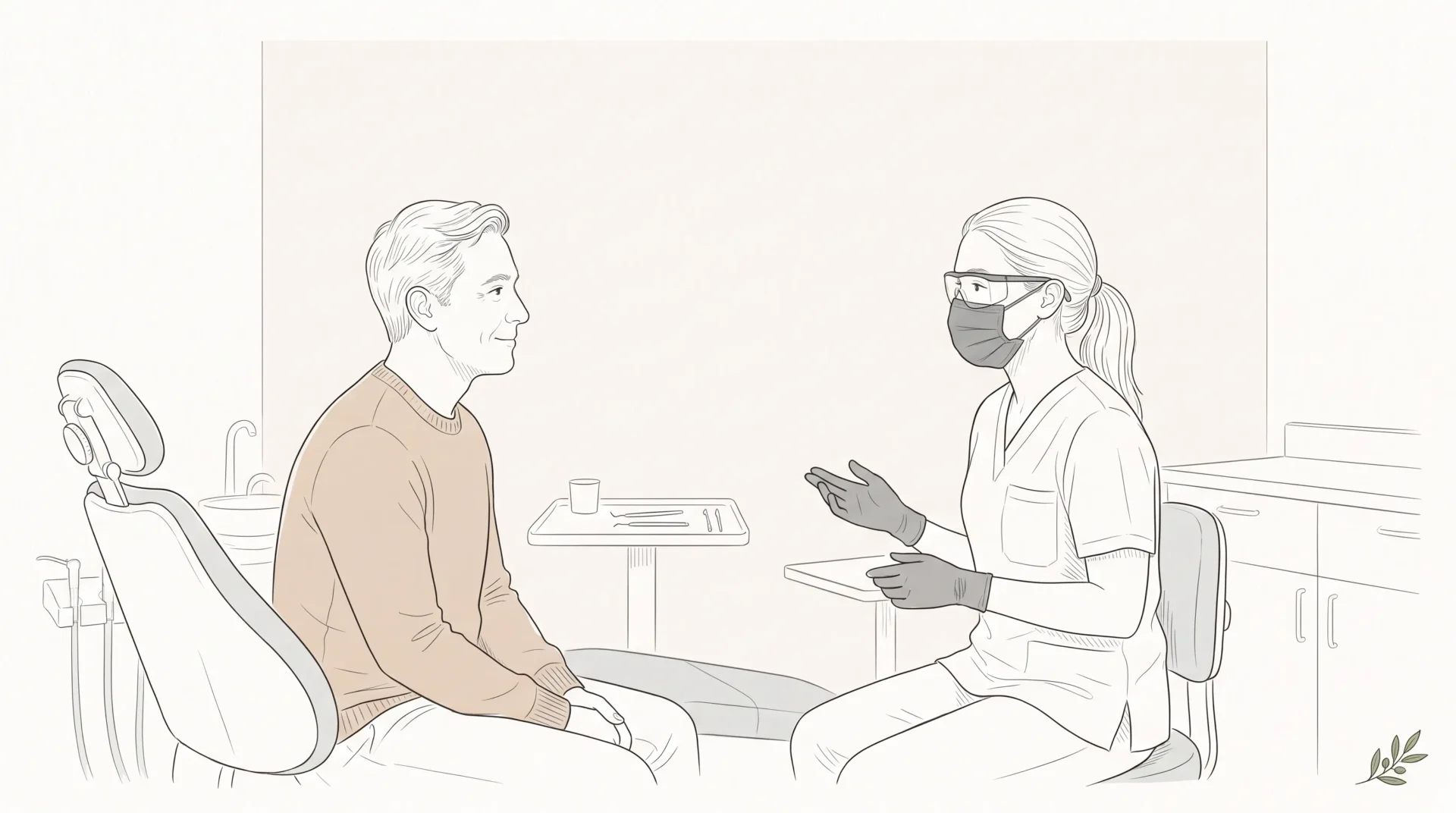
When booking, a short explanation is enough: “I have a strong gag reflex, especially with X-rays or impressions. Could you note that for the dentist and explain how the first visit might be approached?”
Bring details of your medicines, relevant health conditions and previous sedation experiences. If an earlier adjustment helped, describe it specifically. Knowing that a smaller sensor was easier to tolerate is more useful than simply saying one appointment went well.
Before choosing from “gentle dental care near me” results, confirm appointment fees and ask whether extra time or a planning visit is possible. Do not assume that a longer appointment, particular equipment or sedation is included.
Avoid using alcohol, someone else’s sedatives or throat-numbing products to get through a visit. Do not experiment by putting objects towards the back of your mouth to suppress the reflex. Discuss any proposed medicine or desensitisation approach with a clinician first.
Unless the treating team gives you specific instructions, do not fast in anticipation of routine dental care. Different procedures have different preparation requirements. Metro Dental’s guide to planning comfortable dental care also covers communication preferences and practical arrangements.
When gagging needs a broader assessment
A longstanding gag reflex during dental procedures is different from a new difficulty swallowing. Speak with a health professional if gagging is new, worsening, occurs outside dental care or accompanies persistent swallowing problems or unexplained weight loss. A dentist may recommend medical assessment where appropriate.
If you have dental pain or swelling, tell the clinic when booking so it can advise on the timing of assessment. Difficulty breathing or an inability to swallow saliva requires emergency medical attention. Call 000.
Frequently asked questions
Can I have a dental check-up with a strong gag reflex? Often an examination can be adapted, but what is achievable depends on your triggers and oral health needs. Tell the clinic beforehand. If part of the assessment cannot be completed, the dentist should explain the next options rather than force it.
Are digital scans easier than impressions? Some people tolerate them better, but the scanner still enters the mouth and may trigger gagging. Availability and suitability depend on the information needed. A scan cannot replace every type of impression or investigation.
Can a dental dam help? A dental dam is a thin sheet used to isolate a tooth during certain treatments. It can limit water and debris reaching the back of the mouth, but placement and the sensation may be difficult for some people. Your dentist can assess whether it is appropriate.
Should I cancel if I am worried about gagging? Contact the clinic to discuss your concern before cancelling. The team can explain whether the appointment can be adapted, whether preparation is needed or whether a different arrangement may be appropriate.
Discuss your gag reflex before your visit
If “gentle dental care near me” brought you to Metro Dental, you can contact the team to explain your triggers and ask about appointment planning. Metro Dental is located on Swanston Street in Melbourne CBD and provides general and cosmetic dental care.
You can contact Metro Dental or book online to discuss an assessment. Your dentist can explain suitable options, their potential benefits and risks, and any limitations before you decide how to proceed.
Disclaimer
The information provided on this website is for general informational and educational purposes only. It is not intended to replace professional dental advice, diagnosis or treatment. Dental needs and treatment outcomes vary between individuals. Always seek advice from a qualified dental practitioner regarding your specific circumstances before making decisions about your oral health or treatment. A consultation and clinical assessment are required to determine which treatment options may be suitable for you. All dental procedures carry potential risks and benefits, which will be discussed with you before treatment.