
Choosing a Dentist to Assess Worn Teeth in Melbourne CBD
26 October 2026 | General Dentistry, Oral Health, Preventative Dentistry
If you’re searching for a “teeth dentist” because your teeth look flatter, shorter or chipped, look for a dentist who investigates the cause of the wear before suggesting treatment. A useful assessment should explain how much tooth structure has been lost, whether the wear appears to be progressing and what options are appropriate for your circumstances.
Worn teeth do not automatically need crowns, veneers or a full-mouth restoration. Some people need preventive advice and monitoring, while others may benefit from protection or repairs. When choosing a dentist in Melbourne CBD, the priority is a clear explanation and a treatment plan that matches your oral health needs.
Why teeth become worn
Tooth wear is the loss of tooth structure through processes other than decay. Some gradual wear occurs over time, but noticeable changes, sensitivity or difficulty chewing deserve assessment. Appearance alone cannot show whether the wear is recent or still progressing.
Several processes can contribute:
- Tooth-to-tooth contact: Grinding or clenching can contribute to worn biting surfaces, sometimes alongside chips or cracks.
- Acid erosion: Acids from food, drinks or stomach contents can soften and dissolve tooth surfaces.
- Mechanical wear: Repeated friction, such as forceful brushing or certain habits, can contribute to wear in particular areas.
These processes can overlap. For example, acid-softened tooth surfaces may be more vulnerable to mechanical wear. The Victorian Government’s information on dental erosion explains how dietary acids and conditions such as reflux can affect teeth.
Enamel, the hard outer surface of a tooth, does not grow back once it is lost. However, that does not mean every worn area needs rebuilding. A dentist assessing worn teeth should first consider the cause, symptoms, remaining tooth structure and evidence of ongoing change.
What should a “teeth dentist” assess in worn teeth?
The possible causes, not just the appearance
Ask how the dentist will investigate why your teeth are wearing. The shape and location of the wear provide clues, but your health history and daily habits also matter.
Relevant questions may cover acidic drinks, reflux, vomiting, dry mouth, medications, toothbrushing habits and grinding or clenching. Mention any morning jaw discomfort, headaches or reports of grinding during sleep, even if you are unsure whether they are connected.
The Healthdirect guide to teeth grinding outlines symptoms and assessment. Grinding should not be assumed to explain every worn tooth, and jaw pain can have other causes.
Whether the wear is active or longstanding
A single appointment may identify tooth wear without establishing how quickly it is progressing. Ask what baseline records would be useful and how future changes could be checked.
Depending on the findings, records might include clinical notes, photographs, measurements or digital scans. Not every patient needs every type of record. Earlier dental photographs or records may also help if they are available.
A dentist for worn teeth should be able to explain what they would monitor, when they recommend reviewing it and which changes would make treatment worth reconsidering. Monitoring is an active plan, not simply ignoring the problem.
Whether the proposed care is proportionate
Ask: “What would happen if we monitored this rather than restored it now?” The answer should relate to your teeth, symptoms and risk factors, rather than a standard treatment package.
A balanced discussion covers the expected benefits, limitations, risks and alternatives. It should also distinguish treatment intended to protect tooth structure or improve function from changes that are mainly cosmetic.
For a substantial treatment plan, ask whether it can be staged and which parts are necessary, optional or suitable for later review. You can seek a second opinion before agreeing to extensive or irreversible work.
Check registration, communication and referral arrangements
You can confirm a dentist’s registration through the Ahpra register of practitioners. Registration is a basic check, but choosing care for worn teeth also involves understanding how the dentist approaches your particular concerns.
Ask about their approach to assessing tooth wear and when they would recommend another opinion. More complex cases may need input from a dental specialist, such as a prosthodontist, who focuses on restoring and replacing teeth. Medical input may also be appropriate if reflux or another health condition could be contributing.
You should have time to ask questions and understand the recommendations before consenting. A suitable explanation does not require technical language or pressure to decide immediately.
What your first appointment may involve
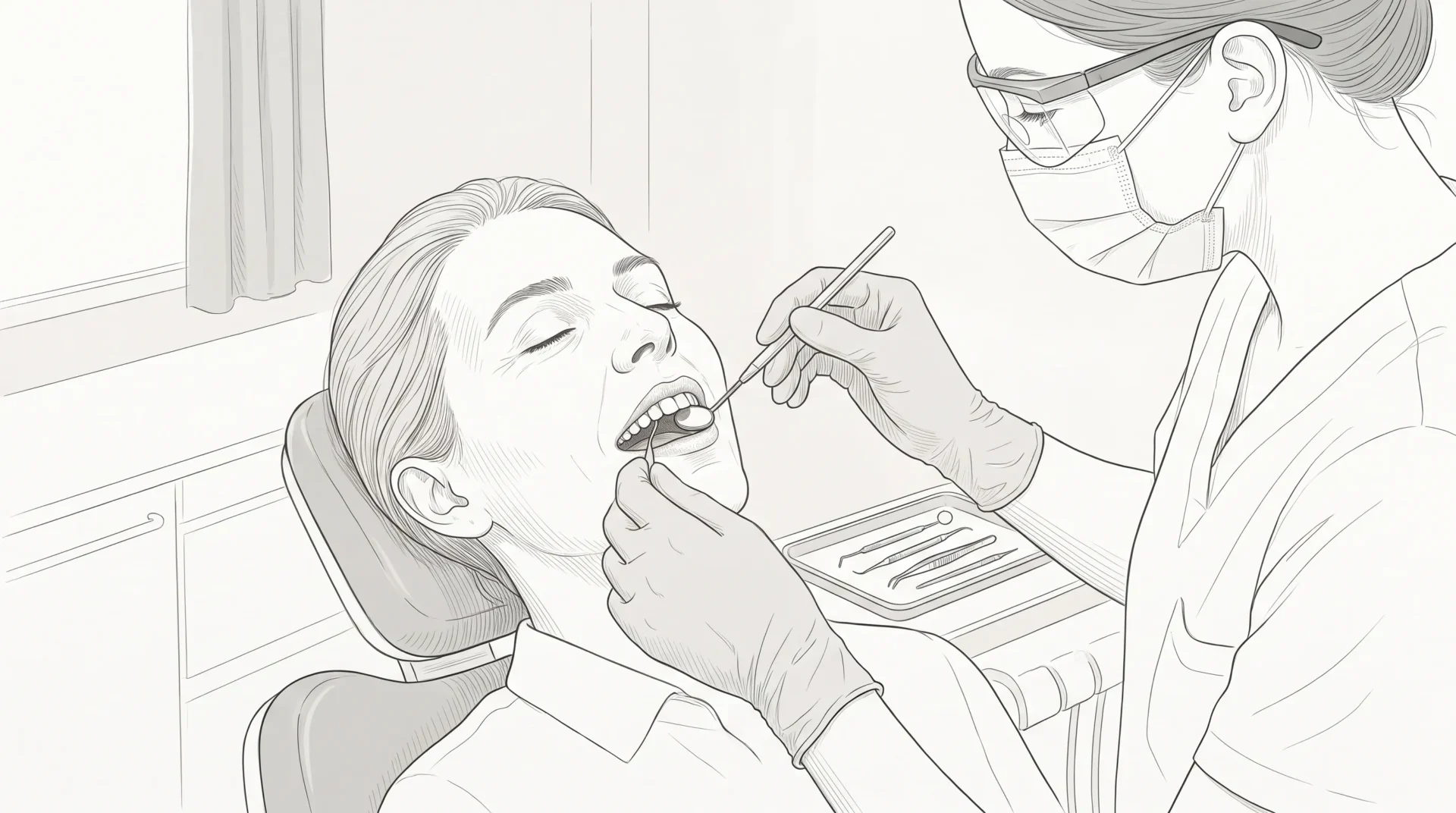
An appointment will usually begin with your concerns: what you have noticed, when it started and whether you have sensitivity, pain or difficulty eating. The dentist may then examine the biting surfaces, exposed tooth surfaces, existing restorations, gums and how your teeth meet.
They may check for other explanations for your symptoms, including decay, cracks or gum recession. X-rays may be recommended if the examination or history provides a clinical reason, but they are not automatically required just because teeth look worn.
Bring a current medication list and, if you already use one, your dental splint or mouthguard. Tell the dentist about reflux or recurring vomiting without feeling that you need to identify the cause yourself. Do not stop prescribed medication without speaking with the prescribing clinician.
If sensitivity or anxiety makes appointments difficult, discussing ways to plan more comfortable dental care beforehand can help you explain your preferences and agree on pauses during the examination.
Treatment options and their limitations
The most suitable approach depends on whether wear is progressing, how much tooth structure remains and what matters to you. Addressing contributing factors is important even when restorative treatment is being considered.
| Approach | When it may be considered | Limitations and considerations |
|---|---|---|
| Prevention and monitoring | Wear is limited, stable or does not currently require restoration | Does not replace lost tooth structure; review is needed to check for change |
| Sensitivity management | Exposed tooth surfaces are sensitive after other causes have been assessed | May reduce symptoms without changing tooth shape; persistent symptoms need review |
| A dental splint | Grinding or clenching may be contributing to damage | May help protect teeth but does not reliably stop grinding or address acid erosion |
| Composite bonding | Selected worn areas need rebuilding with tooth-coloured resin | Can chip, stain or wear and may need repair or replacement |
| Overlays or crowns | More substantial protection or rebuilding is clinically appropriate | May require removal of tooth structure and carry risks such as sensitivity, fracture or effects on the tooth’s nerve |
A splint is an appliance worn over the teeth, often during sleep. Its suitability depends on your assessment; it is not a universal treatment for tooth wear or jaw discomfort.
Restoring worn teeth can sometimes improve chewing surfaces, protect vulnerable areas or change tooth shape. However, restorations require maintenance and may need repair or replacement. No option is risk-free, and treatment experiences and outcomes vary between patients.
Questions about costs and ongoing care
There is no single price for treating worn teeth because the care required varies considerably. An assessment and monitoring plan is different from repairing one tooth or undertaking several restorations.
Before proceeding, ask for a written estimate that distinguishes the assessment, any recommended investigations, treatment stages and follow-up care. It is also reasonable to ask about likely maintenance and what could change the proposed plan or cost.
If you have private health insurance, item numbers can help you check benefits directly with your fund. Do not assume a particular rebate or that all recommended treatment is covered.
For appointments around work or study in the city, consider whether the location and appointment arrangements are practical for ongoing reviews. Our guide to choosing a dental care clinic in Melbourne CBD covers broader considerations such as communication, access and fees.
When to arrange an earlier assessment
Gradual changes without discomfort can generally be discussed at a planned dental appointment. Arrange an earlier assessment if you notice a new chip, persistent sensitivity, pain when biting or a change that is affecting eating.
Severe pain, facial swelling or a broken tooth needs prompt dental advice rather than being assumed to be ordinary wear. Swelling with difficulty breathing or swallowing requires emergency medical care; call 000.
You do not need to wait for pain before mentioning changes. Equally, a change in appearance alone does not establish that extensive treatment is necessary.
Frequently asked questions
Can worn teeth be rebuilt without crowns? Sometimes. Composite bonding or other conservative restorations may be suitable, depending on the remaining tooth structure, bite and extent of wear. Some teeth do not need restoration. An examination is needed to compare the options.
Does tooth wear mean I grind my teeth at night? Not necessarily. Grinding is one possible contributor, but acid erosion and mechanical habits can also cause wear. Several factors may be involved, so the wear pattern alone may not establish the cause.
Can whitening repair worn teeth? No. Whitening changes tooth colour but does not replace lost enamel or rebuild worn biting edges. If teeth are sensitive or significantly worn, a dental assessment can help determine whether whitening is appropriate.
How often should worn teeth be reviewed? Review intervals should be individualised. Symptoms, the suspected cause, the amount of wear and evidence of progression all influence the timing. Ask what changes should prompt you to return sooner.
Should everyone with worn teeth have treatment? No. Prevention and monitoring may be appropriate when wear is stable and function is satisfactory. Treatment decisions should reflect clinical findings, potential benefits and risks, your preferences and the consequences of waiting.
Discussing worn teeth at Metro Dental
Metro Dental is located on Swanston Street in Melbourne CBD and provides general and cosmetic dental care. If you have noticed changes in your teeth, you can arrange an appointment with Metro Dental to discuss your concerns.
An examination can help clarify the possible causes and whether monitoring, preventive care or treatment may be appropriate. You can ask for the benefits, risks, alternatives and costs to be explained before deciding how to proceed.
Disclaimer
The information provided on this website is for general informational and educational purposes only. It is not intended to replace professional dental advice, diagnosis or treatment. Dental needs and treatment outcomes vary between individuals. Always seek advice from a qualified dental practitioner regarding your specific circumstances before making decisions about your oral health or treatment. A consultation and clinical assessment are required to determine which treatment options may be suitable for you. All dental procedures carry potential risks and benefits, which will be discussed with you before treatment.