
What Does Gentle Dental Care Involve?
4 September 2026 | General Dentistry, Oral Health, Preventative Dentistry
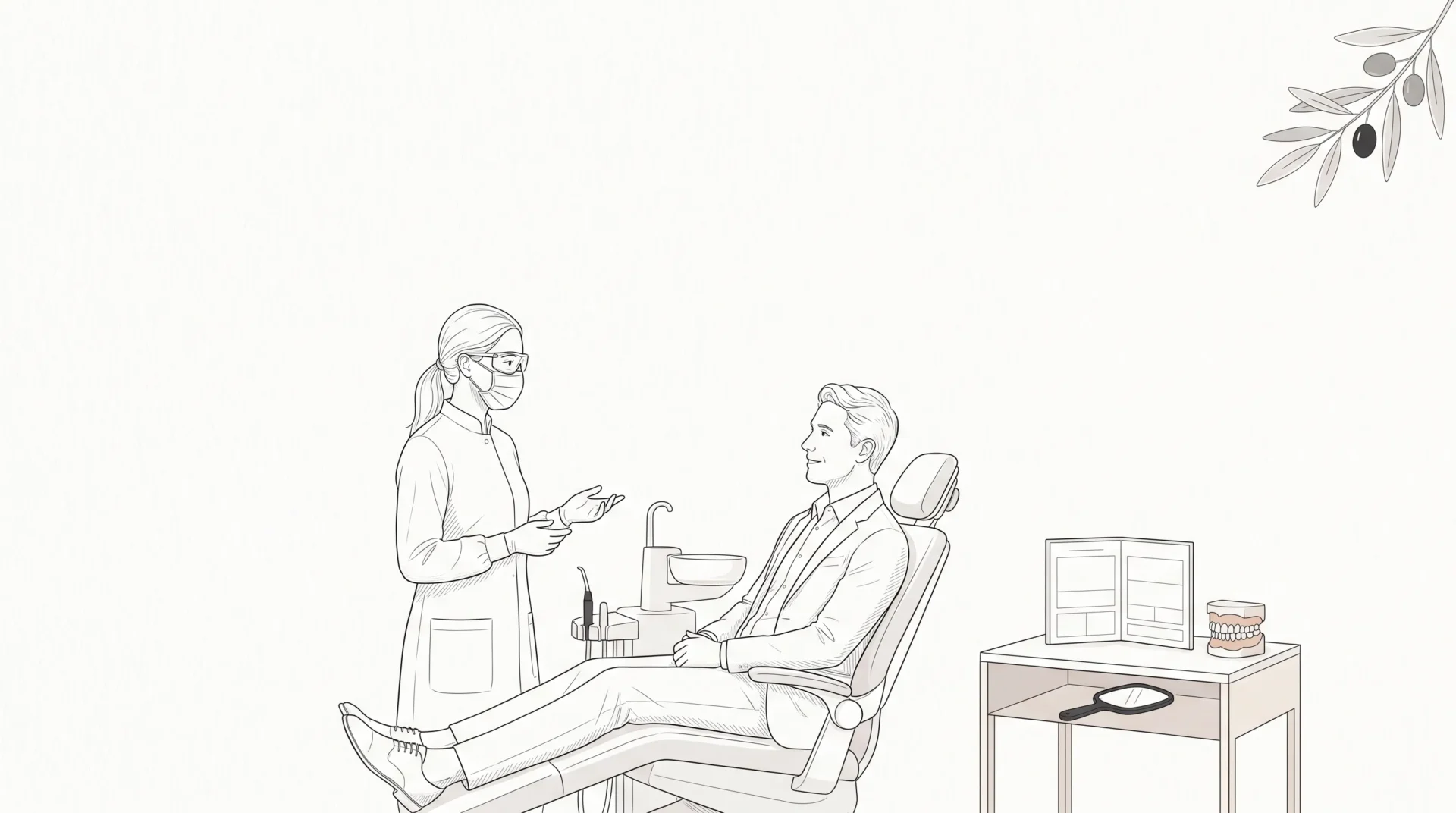
Gentle dental care involves more than a calm manner in the dental chair. It is an approach to communication, appointment planning and treatment that aims to reduce stress, avoid unnecessary discomfort and help you make informed decisions about your oral health.
For patients in Melbourne CBD, this may be especially relevant if you have had a difficult dental experience in the past, feel anxious about treatment, have a sensitive mouth or simply want a dentist who explains things clearly before starting. Gentle care does not mean a dentist can promise there will never be discomfort. It means your concerns are taken seriously, your consent matters and your treatment options are explained in a way you can understand.
What gentle dental care means in practice
Gentle dental care is not one specific treatment. It is a way of delivering dental care that considers both your oral health and your comfort during the appointment.
In practical terms, it may include:
- Taking time to understand your dental history, medical history and previous experiences
- Explaining what the dentist is checking and why
- Asking about sensitivity, anxiety, jaw discomfort or gag reflex concerns
- Discussing the potential benefits, risks and alternatives before treatment
- Using local anaesthetic when clinically appropriate
- Allowing short breaks during longer appointments where possible
- Checking that you are comfortable enough to continue
- Avoiding unnecessary treatment and tailoring care to your needs
This approach can be used across general dentistry, children’s dentistry, cosmetic consultations, orthodontic discussions and treatments such as fillings, cleans, root canal therapy or wisdom tooth assessments. Suitability for any treatment depends on your oral health, medical history, anatomy, symptoms and personal circumstances.
Why people look for a gentler approach
Many people delay dental visits because they are worried about discomfort, cost, judgement or not knowing what will happen. Others have a strong gag reflex, sensitive teeth, fear of needles, jaw joint pain or past experiences that make dental appointments feel stressful.
A gentle approach starts by recognising that these concerns are common and valid. You do not need to apologise for feeling nervous, and you do not need to know the correct dental terms before speaking with a dentist. A clear description of what you feel, where you feel it and what worries you most can help your dentist plan the appointment more appropriately.
For example, if you are concerned about tenderness during a scale and clean, your dentist or oral health professional may discuss pacing, localised cleaning, desensitising strategies or whether local anaesthetic is suitable. If you feel anxious about a longer procedure, the team may explain how long the appointment is expected to take and when breaks may be possible.
Communication comes before treatment
One of the most important parts of gentle care happens before any treatment begins. Your dentist should explain what they have found, what it may mean and what your options are. This helps you understand whether treatment is recommended now, whether monitoring is reasonable or whether another option may be considered.
Good communication should include:
- What the dental concern is, in everyday language
- Why a treatment may be recommended
- What may happen if the issue is monitored instead
- Possible risks, limitations and recovery considerations
- Expected appointment steps
- Fees, payment options and whether treatment can be staged where clinically appropriate
If you are unsure how to raise a concern before your visit, Metro Dental has a helpful guide on how to prepare for your dental appointment, including what information to bring and how to describe symptoms or anxiety.
What may happen during a gentle dental appointment
A gentle appointment should still be thorough. The difference is that the process is paced and explained so you are not left guessing what is happening.
| Stage of the appointment | What it may involve | How this supports a gentler experience |
|---|---|---|
| Conversation and history | Discussing symptoms, concerns, medications, allergies and previous dental experiences | Helps the dentist understand your comfort needs and clinical risks |
| Examination | Checking teeth, gums, bite, soft tissues and areas of concern | Allows treatment to be based on clinical findings rather than assumptions |
| X-rays if needed | Taking dental radiographs only when clinically justified | Helps assess areas that cannot be seen directly |
| Explanation | Talking through findings, options, risks and alternatives | Supports informed consent and reduces uncertainty |
| Treatment planning | Deciding whether to monitor, treat, refer or review later | Helps avoid unnecessary or rushed decisions |
| During treatment | Using appropriate instruments, local anaesthetic where suitable and pauses where possible | Can reduce avoidable discomfort and help you feel more in control |
If your visit is a routine examination, you may find it useful to read about what Australian patients can expect from a dental check-up. A check-up is often the starting point for understanding your current oral health and deciding what, if anything, should happen next.
Comfort measures your dentist may discuss
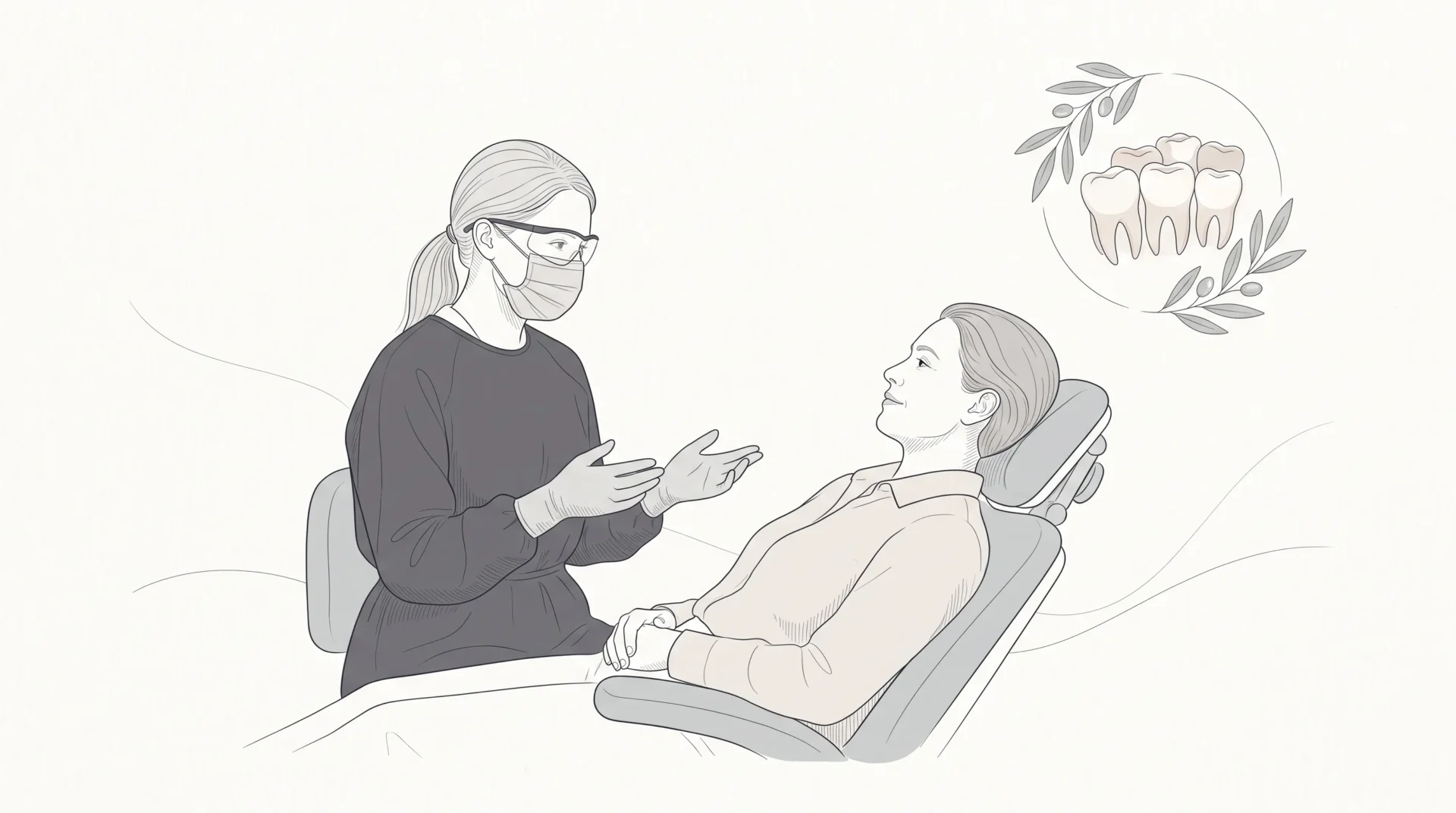
Comfort planning depends on the treatment and the patient. Not every option is suitable or necessary for every appointment, and your dentist will consider your medical history and the procedure being performed.
Common measures may include topical anaesthetic before local anaesthetic, local anaesthetic for procedures likely to cause discomfort, shorter appointments for patients who fatigue easily, breaks during treatment, clear hand signals and careful suction or water control for patients with gag reflex concerns.
Some patients also find it helpful to bring headphones, practise slow breathing or book at a time of day when they feel less rushed. These strategies do not replace dental care, but they may make the appointment feel more manageable for some people.
It is also reasonable to ask what sensations to expect. For example, even with local anaesthetic, you may still feel pressure, vibration or movement during some procedures. Knowing the difference between pressure and pain can make treatment less confusing, and you should always let your dentist know if something feels sharper or more intense than expected.
Gentle care still includes risks, limits and informed consent
A gentle approach should never mean glossing over risks. All dental procedures carry potential risks and benefits, and treatment outcomes and experiences vary between patients.
For example, a filling may help restore a tooth affected by decay or damage, but some teeth can remain sensitive afterwards. A root canal may be considered when the nerve inside a tooth is inflamed or infected, but further restoration is often needed and not every tooth can be predictably saved. Teeth whitening may lighten natural tooth colour for some patients, but it can cause temporary sensitivity and does not change the colour of existing fillings, crowns or veneers.
Balanced information is part of respectful care. That same principle appears in other service settings too: specialist drainage providers such as TapTech describe quoting and explaining what they find before work begins, which reflects the broader value of clear expectations before someone agrees to work being done. In dentistry, this means you should have the chance to ask questions, understand reasonable alternatives and make decisions without feeling pressured.
For general oral health information written for Australian patients, the Australian Dental Association’s patient education site, Teeth.org.au, is also a useful resource.
What gentle dental care is not
Gentle dental care should not be confused with making promises that cannot be guaranteed. It does not mean every procedure will feel the same for every person, and it does not mean treatment is risk-free.
It also should not mean avoiding necessary discussion about oral disease. If there are signs of decay, gum disease, infection, cracked teeth or other concerns, your dentist should explain them clearly without blame or shame. The goal is to help you understand what is happening and what options may be appropriate.
Gentle care is also not the same as saying yes to every requested treatment. Sometimes the most appropriate advice is to monitor a tooth, improve preventive care, delay cosmetic treatment until gum health is stable or refer to another dental practitioner if the issue needs additional assessment.
Gentle dental care for anxious patients
If you feel anxious, it can help to say so early, ideally when booking or at the start of the appointment. You can be specific if you know what triggers the anxiety, such as needles, sounds, gagging, cost uncertainty, previous pain or feeling out of control.
A dentist may respond by explaining the appointment in stages, agreeing on a stop signal, starting with an examination only or discussing whether treatment can be broken into smaller visits. Some patients prefer detailed explanations throughout the appointment, while others prefer only essential updates. There is no single correct preference.
If your anxiety is severe or linked with broader health concerns, your dentist may suggest involving your GP or another health professional. This is not a failure. It is a way to make care safer and more appropriate for your circumstances.
Gentle care for children and families
Children often benefit from calm, age-appropriate explanations and short, positive dental visits that focus on familiarity and prevention. A gentle approach for children may involve showing instruments before using them, explaining sounds in simple language and giving parents practical guidance on brushing, diet and habits.
For families, coordinated care can also make dental visits easier to manage. Different family members may need different types of care, from early childhood checks through to gum health monitoring, fillings, orthodontic discussions or care for worn teeth in adulthood. Metro Dental’s article on how a family dental clinic can coordinate routine care explains how routine care can be adapted across age groups.
Parents and carers can also ask about eligibility for bulk-billed children’s dental care where relevant. Eligibility depends on government program rules, so it should be checked directly before treatment.
Choosing a gentle dental clinic in Melbourne CBD
If you work, study or live near Melbourne CBD, it can be practical to choose a dental clinic close to public transport or your regular routine. Metro Dental is located on Swanston Street, which may suit patients travelling from areas such as Southbank, Carlton, Docklands, East Melbourne, North Melbourne or other parts of inner Melbourne.
When comparing dental practices, look beyond convenience. Consider whether the clinic explains fees clearly, offers written treatment plans where appropriate, discusses alternatives and gives you time to ask questions. You can also check whether a dental practitioner is registered through the AHPRA public register.
Metro Dental has also published a guide on what to look for in a dental practice, including communication, practitioner registration, preventive care and patient comfort.
When to seek dental advice sooner
Not every dental concern is urgent, but some symptoms should be assessed promptly. Contact a dentist or appropriate health service if you have facial swelling, swelling inside the mouth, fever with dental pain, dental trauma, uncontrolled bleeding, difficulty swallowing or a rapidly worsening toothache.
For less urgent concerns, such as mild sensitivity, bleeding gums when brushing, chipped teeth without pain or cosmetic questions, a routine dental appointment can help identify the cause and whether treatment is needed. Avoid self-diagnosing, as similar symptoms can have different causes.
Frequently Asked Questions
Does gentle dental care mean there will be no discomfort? No. A dentist cannot guarantee that treatment will involve no discomfort. Gentle care aims to reduce avoidable discomfort, explain what to expect and use suitable comfort measures where clinically appropriate.
Can I ask the dentist to stop during treatment? Yes. Many patients find it helpful to agree on a simple hand signal before treatment begins. Your dentist can explain when pauses are possible and what to do if you feel discomfort, anxiety or need a break.
Is gentle dental care suitable for children? A gentle approach can be helpful for children because it focuses on clear explanations, patience and age-appropriate care. The exact approach depends on the child’s age, development, oral health and the treatment required.
What should I tell the dentist if I am anxious? Tell your dentist what worries you most, such as needles, sounds, gagging, cost, past experiences or fear of discomfort. This information can help the dentist plan the appointment and discuss suitable options.
Can gentle care apply to cosmetic or orthodontic dentistry? Yes. Cosmetic and orthodontic discussions should still involve careful assessment, informed consent and realistic expectations. Your dentist can assess whether options such as whitening, veneers or Invisalign may be suitable for your oral health and goals.
What if I have not seen a dentist for years? You can book an examination without committing to treatment on the day. The appointment can be used to assess your oral health, discuss priorities and plan next steps at a pace that is appropriate for your circumstances.
Discussing gentle dental care in Melbourne CBD
A dental examination can help determine the cause of your symptoms and which options may be appropriate. If you are looking for gentle dental care in Melbourne CBD, you can contact Metro Dental to arrange an assessment and discuss your concerns, treatment preferences, potential risks, fees and available options before deciding what to do next.
Disclaimer
The information provided on this website is for general informational and educational purposes only. It is not intended to replace professional dental advice, diagnosis or treatment. Dental needs and treatment outcomes vary between individuals. Always seek advice from a qualified dental practitioner regarding your specific circumstances before making decisions about your oral health or treatment. A consultation and clinical assessment are required to determine which treatment options may be suitable for you. All dental procedures carry potential risks and benefits, which will be discussed with you before treatment.