
What Australian Patients Can Expect From a Dental Check-Up
27 August 2026 | Dental Fees & Financing, General Dentistry, Preventative Dentistry
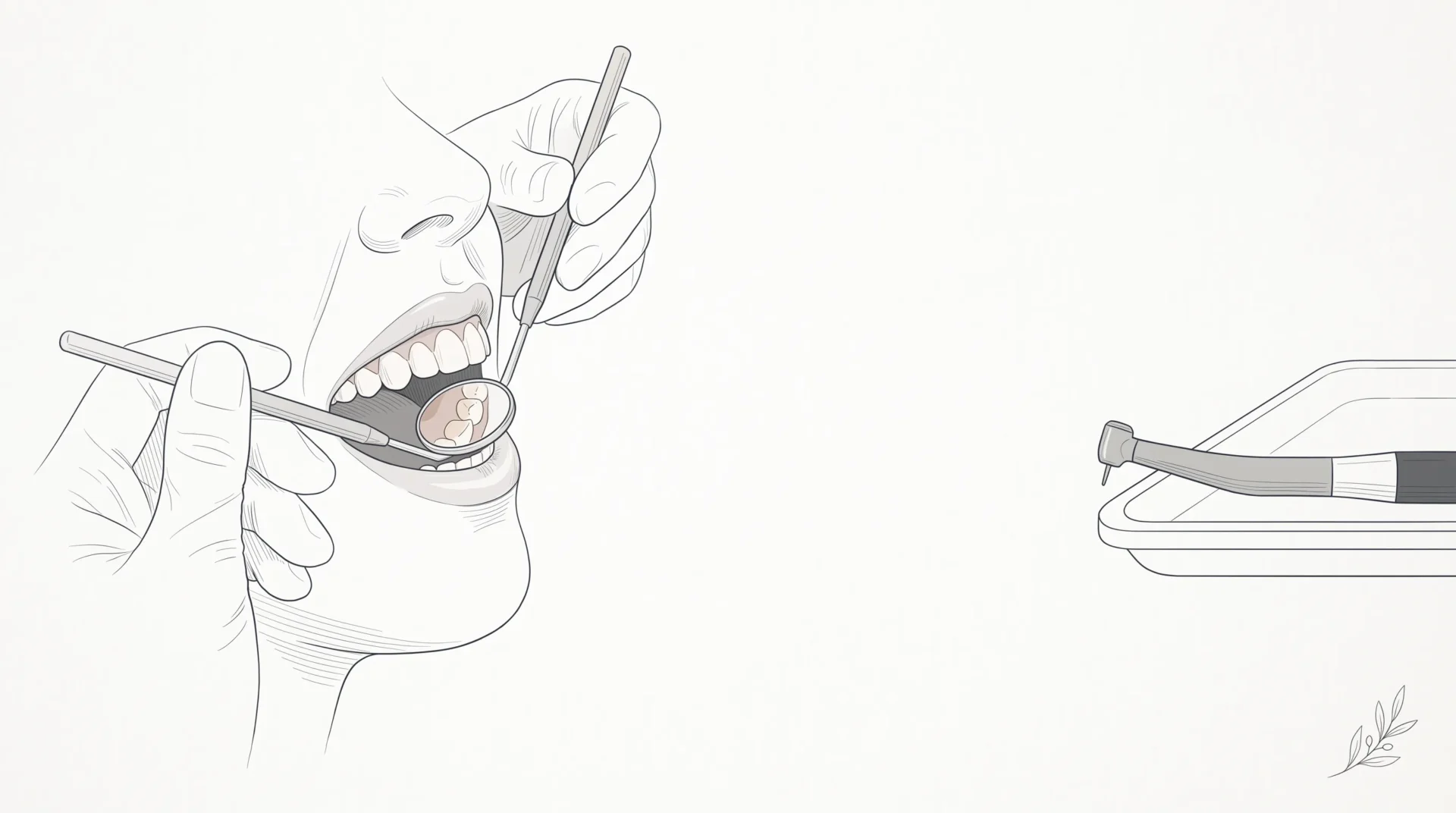
If you are seeing a dentist in Australia for a routine dental check-up, you can usually expect a conversation about your oral health, an examination of your teeth, gums and mouth, possible X-rays if clinically needed, and a clear discussion about any recommended next steps.
A check-up is not only about looking for cavities. It is also a chance to review changes in your health, discuss symptoms such as sensitivity or bleeding gums, check existing fillings or crowns, and ask questions before problems become more complex. For people in Melbourne CBD, including those travelling from Southbank, Docklands, Carlton, East Melbourne or North Melbourne, a central appointment can also make routine care easier to fit around work, study or family commitments.
The general flow of a dental visit is similar across Victoria, although each clinic may have its own systems. If you are comparing what happens in different locations, this guide on what to expect when visiting a Geelong dentist gives a useful regional comparison of check-ups, fees, consent and treatment planning.
What a dentist in Australia usually checks at a routine visit
A routine dental check-up is a structured assessment. Your dentist, hygienist or oral health therapist may look at different parts of your mouth and ask questions to understand your risk factors. The exact steps depend on your age, oral health, symptoms, medical history and when you last attended.
| Part of the check-up | What may happen | Why it matters |
|---|---|---|
| Medical history review | You may be asked about medications, allergies, pregnancy, medical conditions and recent changes in health | General health can affect dental treatment, healing and medication choices |
| Symptom discussion | You can describe pain, sensitivity, bleeding gums, jaw discomfort or cosmetic concerns | Symptoms help guide the examination and whether further tests are needed |
| Teeth and fillings check | The dentist may examine tooth surfaces, existing restorations, wear and signs of decay | This can identify changes that may need monitoring or treatment |
| Gum assessment | The gumline may be checked for bleeding, inflammation, recession or pockets around teeth | Gum health is an important part of keeping teeth stable over time |
| Soft tissue check | The lips, cheeks, tongue, palate and floor of mouth may be examined | Dentists can identify changes that may need monitoring or referral |
| Bite and jaw review | Your bite, tooth wear or jaw joint symptoms may be discussed | Grinding, clenching or bite issues can contribute to wear or discomfort |
| X-rays if indicated | X-rays may be recommended when visual examination is not enough | They can help detect issues between teeth, under fillings or below the gumline |
| Advice and planning | You should have the chance to discuss findings, options, costs and consent | This supports informed decisions rather than rushed treatment choices |
A check-up does not automatically mean treatment is needed. Sometimes the outcome is reassurance, advice on home care or a plan to review an area at a future visit.
Before your appointment: what to bring and mention
A helpful dental check-up starts before you sit in the chair. If you have not been to the clinic before, you may be asked to complete a medical history form and provide details such as your Medicare information, private health insurance and emergency contact.
Try to mention anything that could affect your care, even if it does not seem directly related to your teeth. This may include heart conditions, diabetes, blood thinning medication, allergies, pregnancy, recent surgery or a history of fainting during medical appointments. If you have dental anxiety, a strong gag reflex or have had a difficult experience in the past, it is reasonable to tell the team before treatment begins.
It can also help to write down your main concerns in advance. Metro Dental has a separate guide on how to prepare for your dental appointment if you would like a practical checklist before attending.
What happens during the dental examination
Most check-ups begin with a conversation. Your dentist may ask why you have booked, when your last check-up occurred, whether anything has changed and what you would like to understand from the visit. If you have a specific concern, such as a chipped tooth or sensitivity when drinking cold water, mention it early so it can be assessed.
The examination itself is usually done with a small dental mirror, light and gentle instruments. Your dentist may dry some teeth to see the enamel more clearly, check around the gumline and record findings in your dental chart. If plaque or tartar is present, the clinician may explain where it is building up and how it may affect your gums.
Your dentist may also check existing dental work. Fillings, crowns, veneers, bridges, dentures and orthodontic retainers can all need periodic review. A check-up can help identify whether an existing restoration is stable, worn, chipped or collecting plaque around the edges.
For patients considering cosmetic or orthodontic options, the check-up may also include a discussion about whether the mouth is healthy enough before planning further treatment. For example, gum inflammation, decay or tooth wear may need to be addressed before considering whitening, veneers, braces or Invisalign. Suitability varies between patients and requires an individual assessment.
Are X-rays always needed?
No. Dental X-rays are not automatically required at every check-up. Your dentist may recommend them if they are clinically justified, such as when there are symptoms, higher decay risk, concerns under existing fillings or areas that cannot be seen properly during the visual examination.
Dental X-rays can show information that is not visible from the outside, including decay between teeth, bone levels around teeth, some infections or issues around unerupted teeth. They do involve exposure to radiation, so they should be used only when the likely benefit supports taking them. If X-rays are recommended, you can ask why they are needed, what they may show and whether there are any alternatives.
Tell your dentist if you are pregnant or may be pregnant. This does not always mean X-rays cannot be taken, but it helps the dentist consider timing, clinical need and appropriate precautions.
Does a check-up include a scale and clean?
A scale and clean may be provided during the same appointment, but it is not always identical to a check-up. A check-up is the examination and diagnosis process. A scale and clean is a preventive procedure that removes plaque and hardened tartar from tooth surfaces, especially around the gumline.
Some patients need a relatively straightforward clean. Others may need a longer appointment, gum charting or more targeted periodontal care if there are signs of gum disease. Your dentist or hygienist should explain what is appropriate for your circumstances and whether a separate appointment is recommended.
After a clean, some people notice temporary gum tenderness or tooth sensitivity, particularly if there was inflammation or tartar buildup. This usually settles, but you should contact the clinic if symptoms are severe, worsening or do not improve as expected.
What happens if the dentist finds a problem?
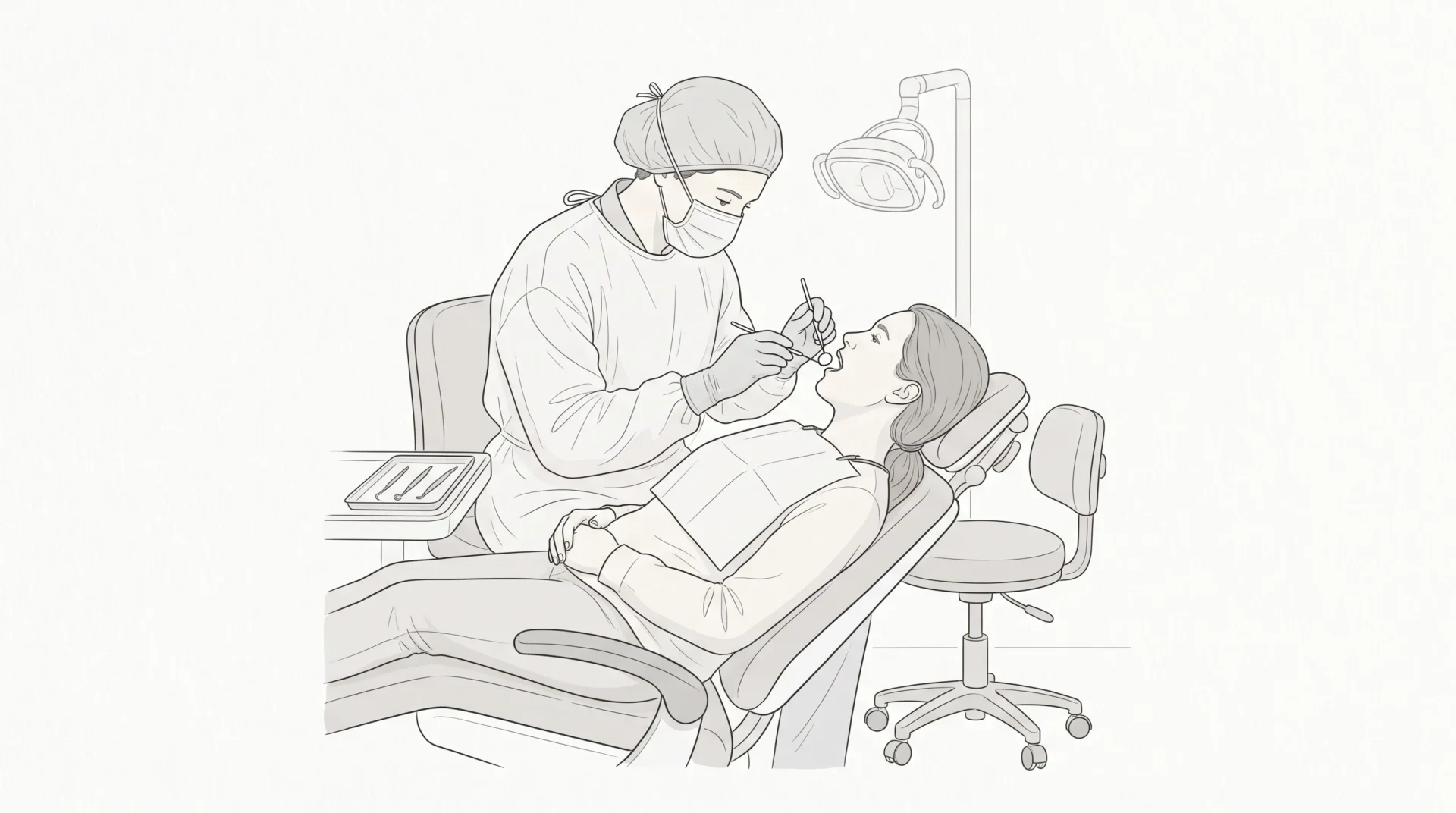
If your dentist identifies decay, gum disease, a cracked tooth, infection, tooth wear or another concern, they should explain the finding in understandable language. You can ask to see X-rays or intraoral photos if they are available, and you can ask what may happen if the issue is monitored rather than treated immediately.
A treatment discussion should include the potential benefits, limitations, risks, costs and alternatives. For example, a damaged tooth might have several possible options depending on how much tooth structure remains, whether the nerve is affected, your bite, your oral hygiene and your preferences. In some situations, referral to another dental practitioner or specialist may be discussed.
All dental procedures carry potential risks and benefits. Results, recovery and treatment experiences vary between patients. A dentist can recommend an option only after assessing your oral health, medical history, anatomy and treatment goals.
If the appointment shows that you need care beyond a check-up, Metro Dental provides a range of general, cosmetic and orthodontic services. You can read more about the types of care commonly available in this overview of services you can expect at a dental clinic.
How often should Australian patients have a dental check-up?
There is no single schedule that suits everyone. Many people are advised to attend around every 6 to 12 months, but your recommended interval may be shorter or longer depending on your oral health, gum condition, decay risk, medical history, diet, smoking or vaping, medications, pregnancy, orthodontic treatment and previous dental history.
Someone with stable oral health and low risk may not need the same recall pattern as someone with active gum disease, frequent decay, dry mouth or complex dental work. Children, older adults and people with certain medical conditions may also benefit from a tailored schedule.
If you are unsure what interval is right for you, ask your dentist to explain your risk factors and recall recommendation. Metro Dental has a Melbourne-specific article on how often you should visit a dentist in Melbourne if you would like more detail on recall timing.
Costs, private health insurance and children’s dental benefits
Dental check-up costs can vary depending on what is included, whether X-rays are taken, whether a scale and clean is performed, and whether further treatment is recommended. Before proceeding, you can ask for an estimate and item numbers, especially if you plan to claim through private health insurance.
If treatment is recommended after the check-up, you do not need to decide immediately unless there is a genuine urgent concern. It is reasonable to ask for a written treatment plan, staged options and information about likely fees. Payment plans may be available at Metro Dental, and the team can explain current options before you decide whether to proceed.
For children, eligibility for the Child Dental Benefits Schedule can affect out-of-pocket costs for certain basic dental services. Metro Dental supports bulk-billed kids dental eligibility, but families should confirm eligibility, coverage and any limits before the appointment.
If you feel nervous about attending
Feeling nervous about a dental check-up is common, especially if it has been a long time since your last visit or you are worried about what the dentist might find. A good first step is to tell the clinic when you book. This allows the team to allow for clearer communication and check in with you during the appointment.
You can ask the dentist to explain what they are doing before they begin, agree on a hand signal if you want a pause, and start with an examination only if that feels more manageable. Avoiding care can sometimes allow small problems to become more difficult to manage, but the appointment should still be based on consent and your individual circumstances.
Dental teams see a wide range of oral health situations. You should not feel embarrassed about asking questions or saying that you have delayed care. The purpose of a check-up is to understand what is happening and discuss appropriate options.
When to book promptly rather than waiting for a routine check-up
Some symptoms may need earlier assessment rather than waiting for your usual recall appointment. A dental examination can help determine the cause and whether treatment may be appropriate.
Consider contacting a dentist promptly if you notice:
- Facial swelling, gum swelling or a pimple-like lump on the gum
- Toothache that is severe, persistent or waking you at night
- A broken tooth, knocked-out tooth or dental injury
- Bleeding that does not stop after an injury or extraction
- Difficulty opening your mouth, swallowing or managing fever with dental pain
- A sore, ulcer or mouth patch that does not heal within about two weeks
If swelling affects breathing or swallowing, or you feel seriously unwell, seek urgent medical care through emergency services.
Questions worth asking during your check-up
A check-up is a good time to understand your oral health, not just receive a quick summary at the end. You might ask what areas you are cleaning well, where plaque is collecting, whether any teeth are being monitored, whether your gums are healthy and what changes would make the biggest difference at home.
If treatment is suggested, useful questions include why it is recommended, what alternatives exist, what the risks are, what may happen if you wait, how many appointments are involved and what the expected costs may be. You can also ask whether a second opinion or referral is appropriate for complex care.
Good dental decisions are made with clear information. You should have enough time to understand the recommendation and provide informed consent before treatment begins.
Frequently asked questions
Does every dental check-up include X-rays? No. X-rays are recommended when your dentist considers them clinically necessary. The decision depends on your symptoms, dental history, risk factors and what can be seen during the examination.
Is a dental check-up the same as a scale and clean? Not exactly. A check-up is the examination and assessment. A scale and clean removes plaque and tartar. They are often done at the same visit, but some patients may need a separate or longer cleaning appointment.
How long does a dental check-up take in Australia? The time can vary between clinics and patients. A first visit, appointment with X-rays or appointment with a clean may take longer than a simple review. Ask the clinic when booking how much time to allow.
Can I go to the dentist if I have not been for years? Yes. Your dentist can assess your current oral health and explain what, if anything, may need attention. It can help to mention when you last attended and whether you have any symptoms or concerns.
Can children have routine dental check-ups? Yes. Children can benefit from age-appropriate dental visits that review teeth, gums, brushing habits, diet and development. Eligibility for bulk-billed dental care may apply for some children under the Child Dental Benefits Schedule.
Planning a check-up in Melbourne CBD
A dental check-up gives you a clearer picture of your teeth, gums and mouth, and it can help you make informed decisions about preventive care or treatment options if they are needed.
If you are due for a routine check-up or have a concern you would like assessed, you can contact Metro Dental in Melbourne CBD to arrange an appointment. Your dentist can examine your oral health, explain any findings and discuss the potential benefits, risks and alternatives of any recommended care.
Disclaimer
The information provided on this website is for general informational and educational purposes only. It is not intended to replace professional dental advice, diagnosis or treatment. Dental needs and treatment outcomes vary between individuals. Always seek advice from a qualified dental practitioner regarding your specific circumstances before making decisions about your oral health or treatment. A consultation and clinical assessment are required to determine which treatment options may be suitable for you. All dental procedures carry potential risks and benefits, which will be discussed with you before treatment.