
8 Signs You May Need a Root Canal
12 August 2026 | News
A toothache can be easy to dismiss at first. Maybe it comes and goes, maybe it only appears when you bite down, or maybe it feels manageable with pain relief. But when the soft tissue inside a tooth becomes inflamed or infected, delaying care can allow the problem to worsen.
A root canal is not something to fear. It is a treatment designed to relieve pain, remove infection, and help save a natural tooth that might otherwise need to be extracted. The key is recognising the warning signs early enough to act.
Below are eight signs you may need a root canal, plus what to expect when you see a dentist.
What is a root canal, and why might you need one?
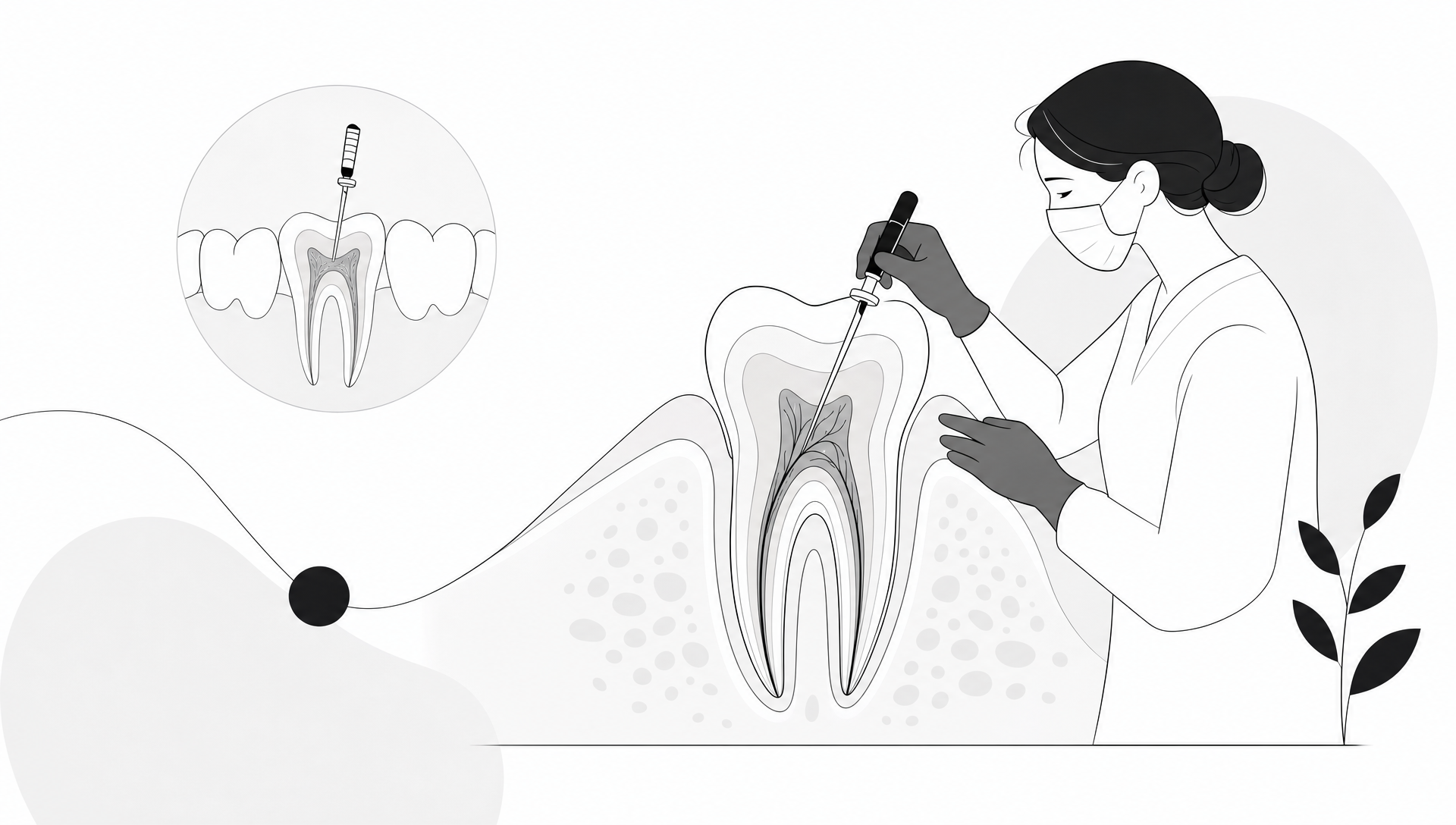
A root canal treatment, also called endodontic treatment, treats the inside of the tooth. The dentist removes inflamed or infected pulp, cleans and disinfects the canals inside the tooth roots, then seals the space to help protect the tooth from further infection. Healthdirect Australia explains that root canal treatment may be needed when the nerve or pulp of a tooth has been damaged by decay, injury, or infection.
The pulp contains nerves, blood vessels, and connective tissue. While it is important during tooth development, an adult tooth can often function without living pulp once it has been properly treated and restored.
Common reasons the pulp becomes damaged include deep decay, cracks, repeated dental work on the same tooth, trauma, or an untreated cavity that allows bacteria to reach the inner tooth. If infection spreads, it can lead to a dental abscess. Better Health Channel Victoria notes that dental abscesses can cause pain, swelling, fever, and other symptoms that need prompt care.
8 signs you may need a root canal
Not every tooth problem requires a root canal. Some symptoms may be caused by gum disease, sinus pressure, tooth grinding, a high filling, or enamel wear. However, the following signs are worth taking seriously, especially if they persist or become more intense.
1. Persistent tooth pain that does not settle
Ongoing tooth pain is one of the most common reasons people suspect they may need a root canal. The pain may feel dull and constant, sharp and stabbing, or deep and throbbing. It might be localised to one tooth, or it may seem to radiate into the jaw, ear, temple, or neighbouring teeth.
Pain that wakes you at night or continues after taking standard pain relief can be a red flag. This can happen when inflammation inside the tooth increases pressure around the nerve tissue. Once the pulp is severely inflamed or infected, it may not recover on its own.
The important point is duration. A brief twinge does not automatically mean you need endodontic treatment. But tooth pain that lasts more than a day or two, keeps returning, or gets worse should be checked by a dentist.
2. Lingering sensitivity to hot or cold
Many people experience occasional tooth sensitivity. A quick zing from ice cream or a hot drink may be linked to exposed dentine, gum recession, enamel wear, or whitening products. The more concerning sign is sensitivity that lingers.
If pain continues for 30 seconds, a minute, or longer after the hot or cold stimulus is gone, it may suggest inflammation inside the tooth. For example, you might sip tea and feel a deep ache that slowly fades, or drink cold water and notice a delayed, pulsing pain.
Lingering heat sensitivity can be particularly concerning because it may indicate advanced pulp inflammation. Still, only a dental examination and diagnostic tests can confirm the cause.
3. Pain when biting or chewing
A tooth that hurts when you bite down may have inflammation around the root tip, a crack, a deep filling, or infection affecting the tissues that support the tooth. Some people describe it as a sharp pain on release, while others feel pressure or soreness every time the tooth contacts food.
This symptom is often easy to ignore because you can chew on the other side. However, bite pain can worsen over time if the underlying cause is not treated. It can also be a sign that infection has moved beyond the pulp and is irritating the ligament around the tooth root.
If biting feels different on one side of your mouth, or one tooth suddenly feels “high” or tender, arrange an appointment. Early assessment can help determine whether the tooth needs a root canal, a filling adjustment, a crown, or another treatment.
4. Swollen, tender, or darkened gums near one tooth
Gum swelling around a single tooth can indicate infection draining from the tooth root or inflammation in the surrounding tissues. The area may feel tender to touch, look red or puffy, or feel like a small localised lump.
Sometimes the swelling comes and goes. This does not mean the problem has resolved. It may mean the infection is draining intermittently, temporarily reducing pressure before symptoms return.
Gum tenderness can also be caused by periodontal disease or food trapped below the gumline. That is why a proper assessment matters. Your dentist can check whether the source is the tooth, the gum, or both.
5. A pimple-like bump on the gum
A small pimple, blister, or recurring bump on the gum near a painful tooth may be a sinus tract. This can form when infection from the tooth root creates a pathway for pus to drain through the gum.
You may notice a bad taste, fluid discharge, or relief from pressure when the bump drains. Even if the discomfort reduces, the infection is still present. A draining gum boil is not something to pop or treat at home.
This is one of the clearer signs that a dental infection may be involved. Contact a dentist promptly if you notice a recurring bump near a tooth, even if the tooth itself is not very painful.
6. Tooth discolouration, especially after trauma
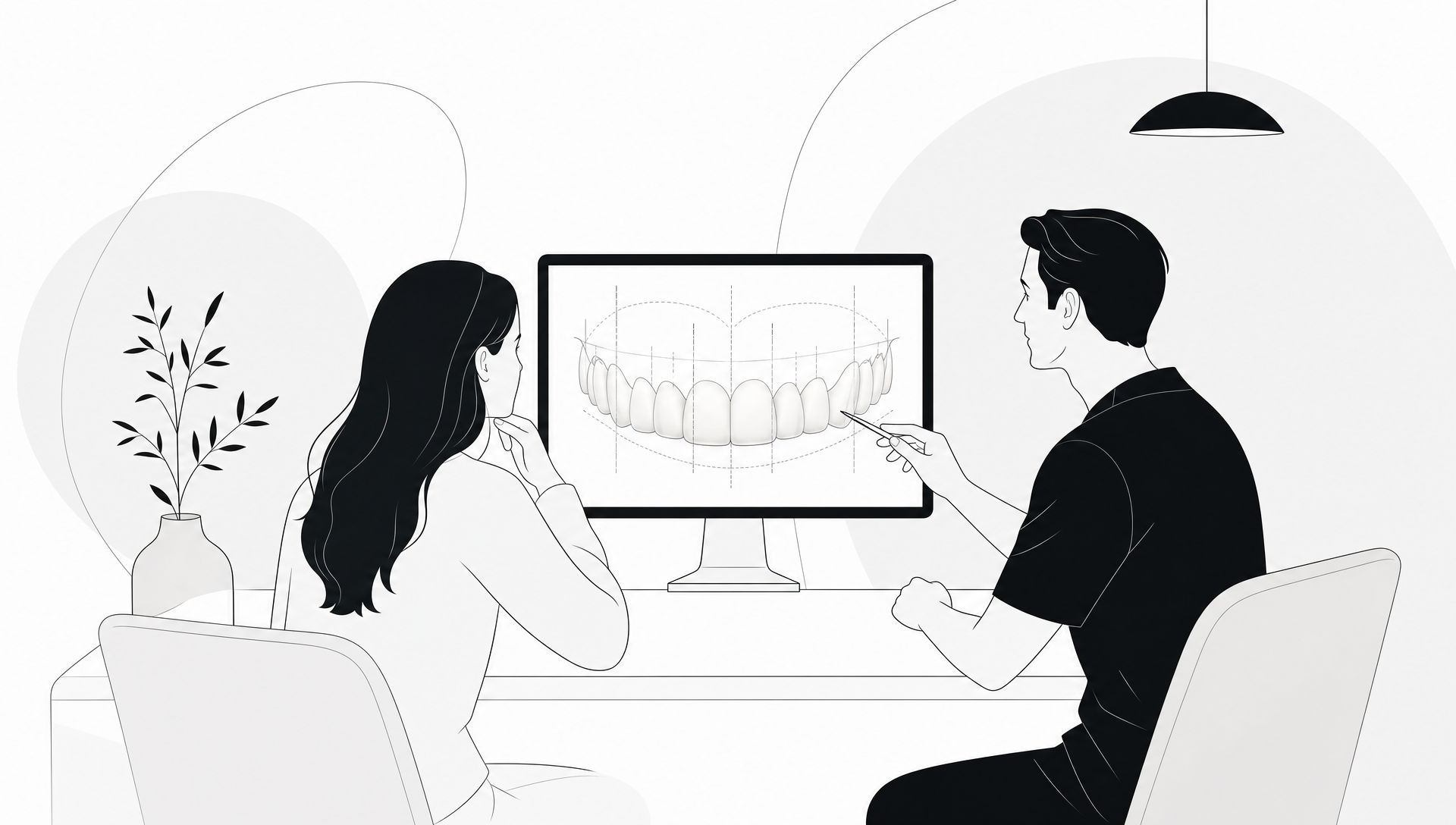
A tooth that becomes grey, dark yellow, or brown compared with neighbouring teeth may have internal changes. This can happen after trauma, such as a sporting injury, fall, or knock to the mouth. It can also occur when the pulp tissue inside the tooth is damaged.
Discolouration alone does not always mean a root canal is needed. Staining, old fillings, and enamel changes can also alter the colour of a tooth. But a single tooth that darkens after injury should be assessed, even if there is no pain.
Some teeth with damaged pulp become less painful over time because the nerve tissue has died. That does not mean the tooth is healthy. In some cases, infection can develop silently at the root.
7. A cracked, chipped, or injured tooth
Cracks and chips can allow bacteria to enter the inner layers of a tooth. Even a small crack may extend deeper than it appears, especially if it travels toward the pulp. Teeth can crack from biting hard foods, grinding, large fillings, trauma, or age-related wear.
You might feel occasional sharp pain when chewing, sensitivity to temperature, or a rough edge with your tongue. In other cases, the crack is difficult to see and symptoms are inconsistent.
Prompt treatment is important because cracks can spread. Depending on the depth and direction of the crack, treatment may involve a filling, bonding, a crown, root canal treatment, or extraction if the tooth cannot be saved.
8. Deep decay, a large filling, or repeated treatment on the same tooth
Sometimes the warning sign is not just pain, but the history of the tooth. A tooth with deep decay, a very large filling, or repeated dental work can be closer to the pulp than you realise.
If decay reaches the pulp, bacteria can infect the inner tooth. If a filling or crown is close to the nerve, the pulp may become irritated. In many cases, dentists monitor these teeth carefully and only recommend a root canal if symptoms, X-rays, or testing suggest the pulp is not healthy.
If your dentist has previously told you a cavity was deep, do not ignore new sensitivity or discomfort in that tooth. Early attention may improve the chances of saving it.
How urgent are root canal symptoms?
Dental symptoms can change quickly. The table below gives a general guide, but it is not a substitute for a professional diagnosis.
| Symptom | What it may suggest | Suggested action |
|---|---|---|
| Mild sensitivity that disappears quickly | Enamel wear, gum recession, early decay, or irritation | Book a routine dental check if it persists |
| Tooth pain lasting more than 24 to 48 hours | Pulp inflammation, decay, crack, or bite issue | Book an appointment soon |
| Pain when biting or chewing | Crack, infection near the root, high filling, or inflammation | Arrange a dental assessment promptly |
| Swelling, gum boil, fever, or facial swelling | Possible dental abscess or spreading infection | Seek urgent dental care |
| Trauma with tooth darkening or loosening | Pulp injury, root damage, or tooth displacement | See a dentist as soon as possible |
If you have facial swelling, fever, difficulty swallowing, difficulty breathing, or feel generally unwell with dental pain, seek urgent medical or dental care immediately.
What will the dentist check?
A dentist will not recommend a root canal based on pain alone. They will examine the tooth, review your symptoms, and may take X-rays to assess decay, bone changes, root shape, and signs of infection.
They may also perform temperature tests, tapping tests, bite tests, and gum measurements. These help identify whether the pulp is inflamed, infected, or no longer responding normally. In some cases, symptoms can be referred from another tooth or even from sinus pressure, so accurate diagnosis is essential.
If a root canal is recommended, your dentist will explain the reason, the steps involved, and the likely restoration needed afterward. Many root canal treated back teeth require a crown or strong restoration to reduce the risk of fracture, especially when a lot of natural tooth structure has been lost.
Is a root canal painful?
Modern root canal treatment is designed to relieve pain, not cause it. Local anaesthetic is used to numb the tooth and surrounding area. Many patients find the experience similar to having a longer filling appointment.
It is common to feel some tenderness after treatment, especially if the tooth was painful beforehand. This usually settles as the surrounding tissues heal. Your dentist will give you aftercare advice based on your situation.
The bigger risk is delaying care until infection worsens. At that point, pain can become more severe and treatment may become more complex.
Can you prevent needing a root canal?
Not every root canal can be prevented, especially when trauma or cracks are involved. However, many are linked to untreated decay or delayed care. Regular dental check-ups help detect cavities before they reach the pulp.
Good prevention habits include brushing twice daily with fluoride toothpaste, cleaning between teeth daily, limiting frequent sugary snacks and drinks, wearing a mouthguard for contact sport, and seeking help early for cracked teeth or persistent sensitivity.
If you grind your teeth, mention it to your dentist. A night guard or other management plan may help reduce the risk of cracks and excessive wear.
Frequently Asked Questions
Can a tooth need a root canal without pain? Yes. Some infected or damaged teeth cause little or no pain, especially if the nerve tissue has died or infection is draining through the gum. X-rays and dental tests can reveal problems that symptoms alone may miss.
Will antibiotics fix a tooth that needs a root canal? Antibiotics may help manage spreading infection in some situations, but they do not remove infected pulp from inside the tooth. If the pulp is infected, definitive dental treatment is usually needed.
How do I know if I need a filling or a root canal? A filling repairs decay or damage that has not irreversibly affected the pulp. A root canal is considered when the pulp is severely inflamed, infected, or dead. Your dentist will use symptoms, examination findings, and X-rays to decide.
Can a root canal save my natural tooth? In many cases, yes. The goal of root canal treatment is to remove infection while keeping the natural tooth in place. Whether the tooth can be saved depends on factors such as cracks, bone support, and remaining tooth structure.
Should I wait to see if tooth pain goes away? Brief sensitivity may settle, but persistent pain, swelling, gum bumps, or pain when biting should not be ignored. Early assessment can prevent the problem from becoming more serious.
Worried you may need a root canal?
If you have ongoing tooth pain, swelling, lingering sensitivity, or discomfort when chewing, the safest next step is a dental assessment. The sooner the cause is identified, the more options you may have for relieving pain and protecting your tooth.
Metro Dental provides gentle, patient-focused dental care in Melbourne CBD, including root canal treatment, general dentistry, cosmetic dentistry, children’s dentistry, and payment plan options. If you are looking for a dentist on Swanston Street, you can book an appointment with Metro Dental and have your symptoms checked by an experienced team.
Disclaimer
The information provided on this website is for general informational and educational purposes only. It is not intended to replace professional dental advice, diagnosis or treatment. Dental needs and treatment outcomes vary between individuals. Always seek advice from a qualified dental practitioner regarding your specific circumstances before making decisions about your oral health or treatment. A consultation and clinical assessment are required to determine which treatment options may be suitable for you. All dental procedures carry potential risks and benefits, which will be discussed with you before treatment.